Why mixed metals are defining luxury kitchen design in 2026
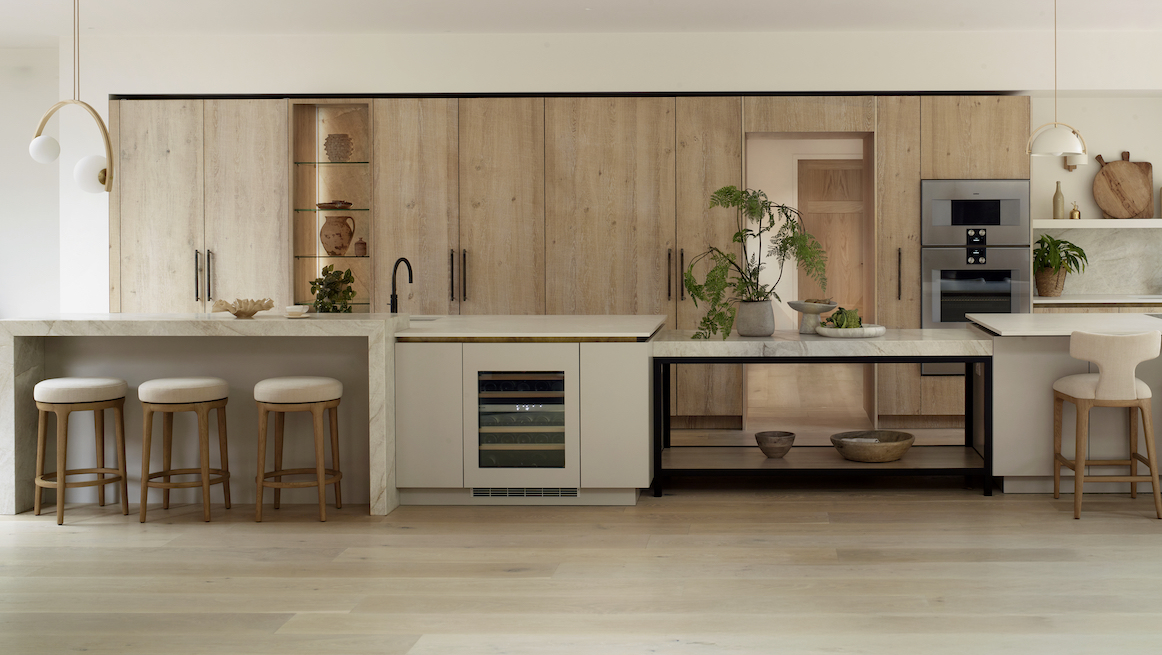
Over the past decade, metal has become one of the most influential materials in bespoke kitchen design. Once largely confined to appliances, taps and hardware, it has evolved into an integral architectural material – shaping cabinetry, defining islands and introducing depth, texture and contrast in ways that few other finishes can achieve. As kitchens have evolved, metal has become one of the most influential materials in the room.
Perhaps the biggest shift has been away from perfectly matched metallic finishes. Rather than specifying a single metal throughout, as once was the trend, designers are now increasingly combining two or more metals and different finishes to create schemes that feel interesting, yet balanced and relaxed. Done well, mixed metal kitchens bring warmth, character and longevity to a space, while highlighting the beauty and complexity of core natural materials such as timber and stone.
This layered approach to metal is one Roundhouse has championed for years, from pioneering metal-wrapped cabinetry to creating bespoke metallic finishes with distinctive tones and patinas. Here, we explore why mixing and matching metals is more than just a fleeting kitchen trend and how to do it well.
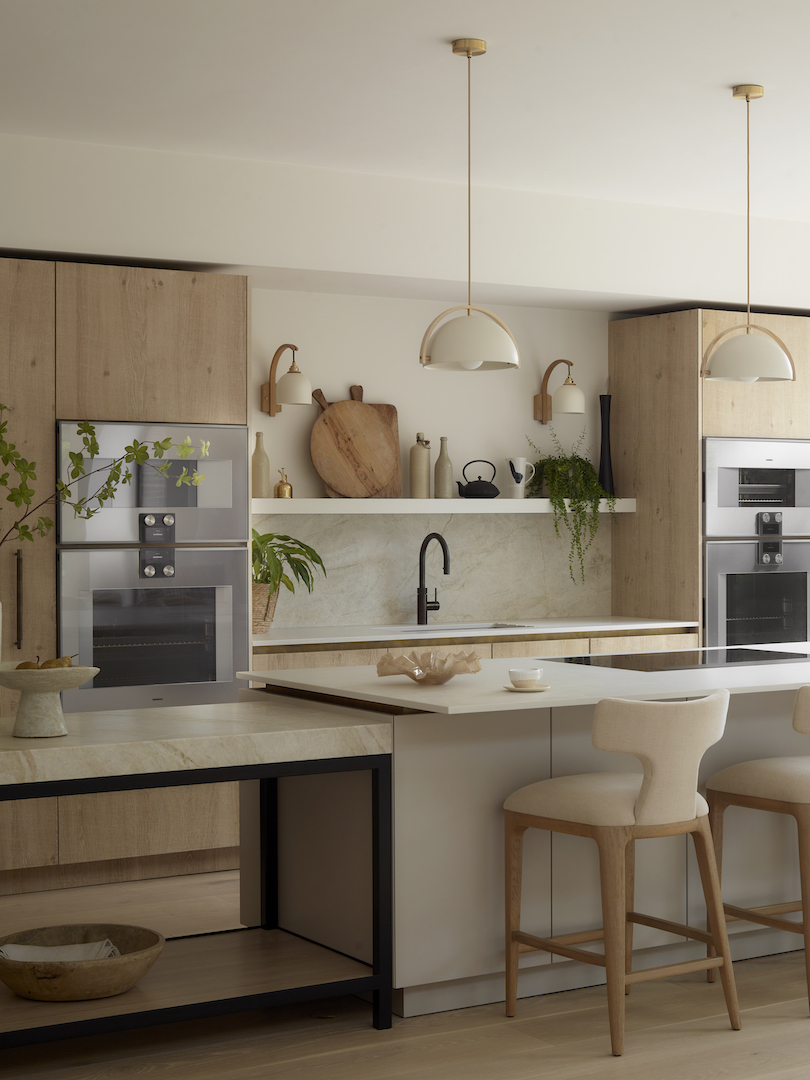
Layering metals for a richer look
If you’ve ever wondered why luxury interiors feel so rich and considered, it is often because they resist the temptation to match everything perfectly. They rarely appear as though everything was bought on the same day, from the same place, in the same finish. Instead, they have tension, rhythm and subtle points of contrast. The same principle applies when mixing metals in the kitchen.
The trick is to avoid metals that are almost the same, but not quite. Polished copper and polished brass, for example, can sit too close tonally. Rather than creating contrast, they can look as though they were meant to match but don’t. A stronger approach is to mix warm metals, such as brass or bronze, with something darker, like blackened steel, dark oiled bronze or black powder-coated accents. Our Ashbury project does this beautifully, pairing discreet brass detailing with powder-coated steel accents for a scheme that feels warm, tailored and unforced.
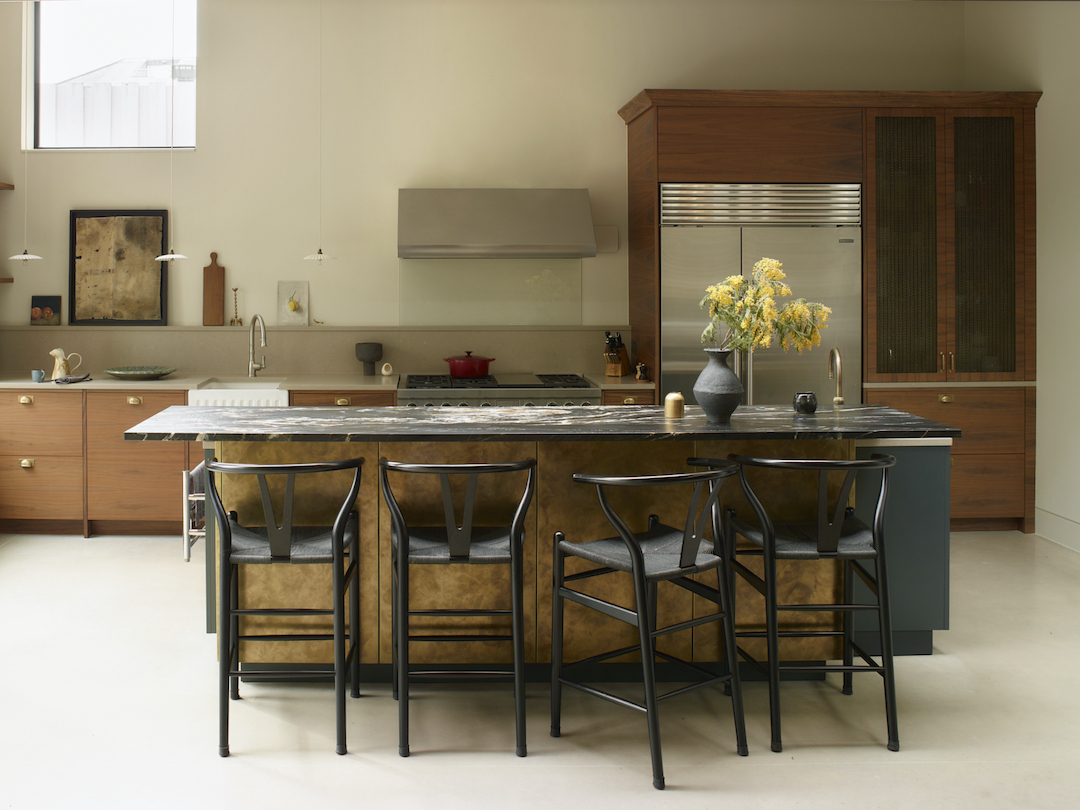
Think about scale and placement
For Roundhouse, metal has never been treated as a finishing touch. For more than 30 years, we’ve explored its potential as an architectural material, and one lesson stands out: metal is most effective when it is used with confidence. Rather than limiting it to taps and handles, consider where it can become a defining feature of the room itself.
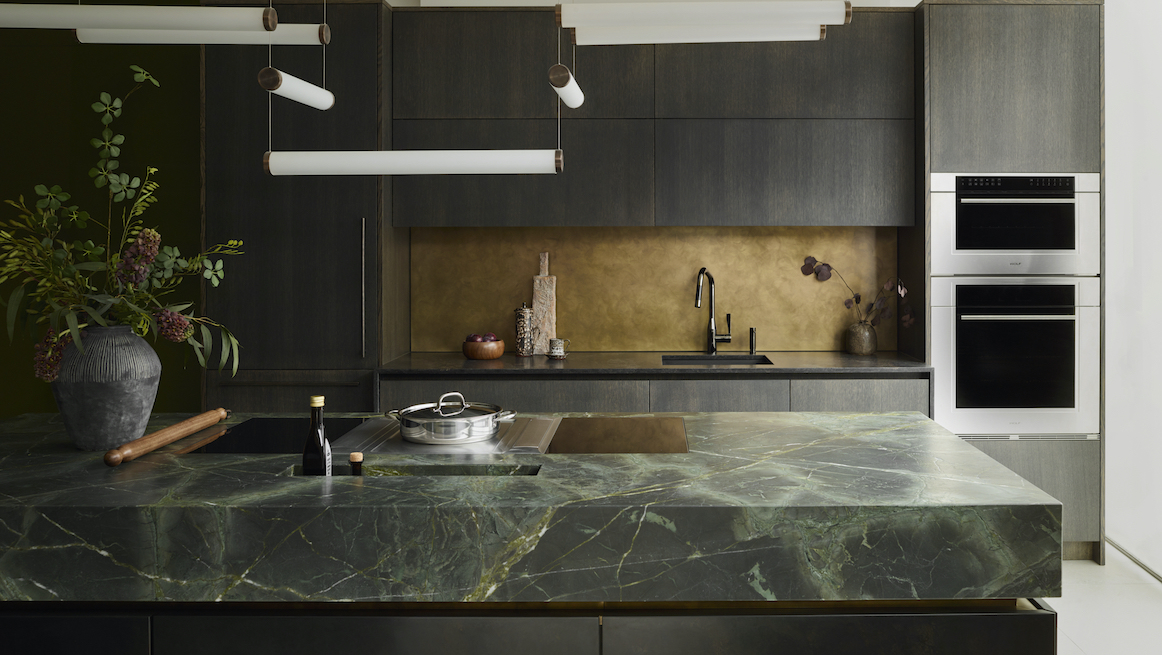
In our Moony project, for example, burnished brass is used prominently on the island, sitting alongside walnut veneer, quartzite and industrial-style steel appliances. Because the feature metal is concentrated in one key feature, it feels intentional rather than overwhelming. The brass draws the eye, while the surrounding materials ensure the scheme remains layered and inviting
Warm and cool finishes create balance
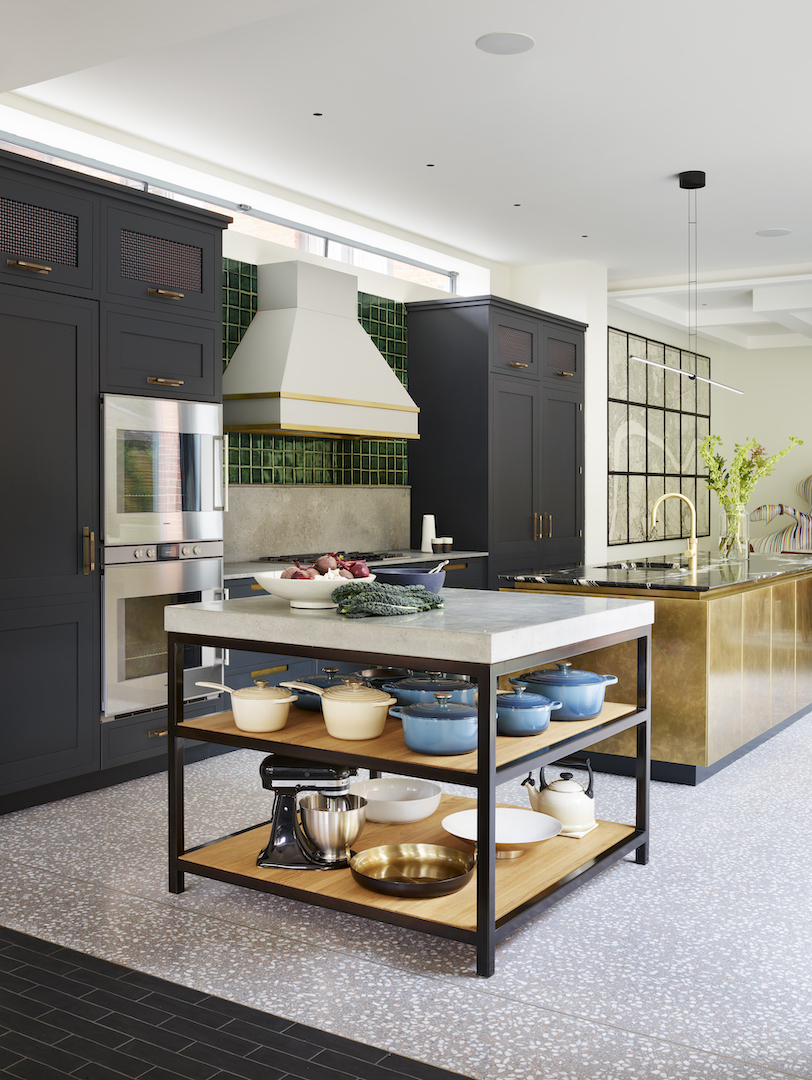
A good mixed-metal scheme needs discipline. Two or three metal finishes are usually enough, and each one needs a clear role. Approach it in the same way professional interior designers curate a 60:30:20 colour palette: one metal leads, another supports, and a third may appear as a small accent.
Warm metals – brass, bronze, antique brass and other richly burnished finishes – bring softness and glow. Cooler finishes, such as stainless steel, chrome or nickel, introduce precision. Dark metals, like gunmetal and black powder-coated steel add definition and help stop a warm scheme becoming too fussy or ornate. Mixing metals with distinctly different characters tends to produce the most successful results.
This is where Roundhouse’s control over bespoke finishes becomes such an advantage. In our own factory, the exact tone, patination and level of warmth can be refined so the metal works with the cabinetry, stone and light in the room, rather than fighting them.
Our Randall project demonstrates this balance beautifully. A patinated bronze island provides warmth and depth, while brass detailing introduces subtle highlights across the scheme. Stainless steel appliances act as a cooler counterpoint, bringing clarity and precision. Each finish plays a different role, creating a layered composition that feels rich and considered rather than overly coordinated.
Stainless steel is back
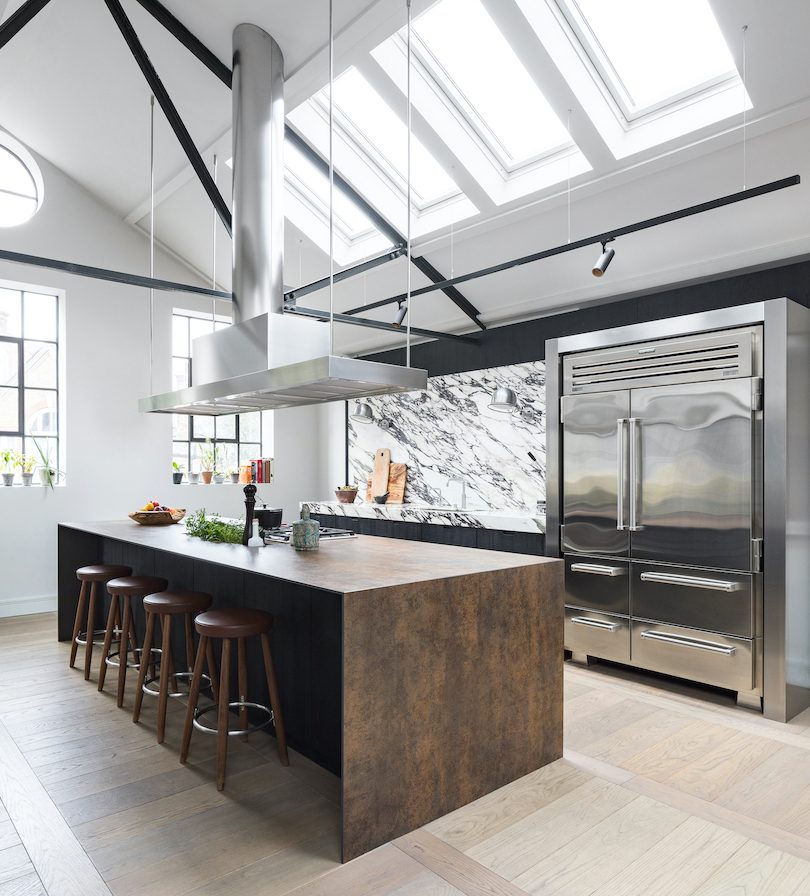
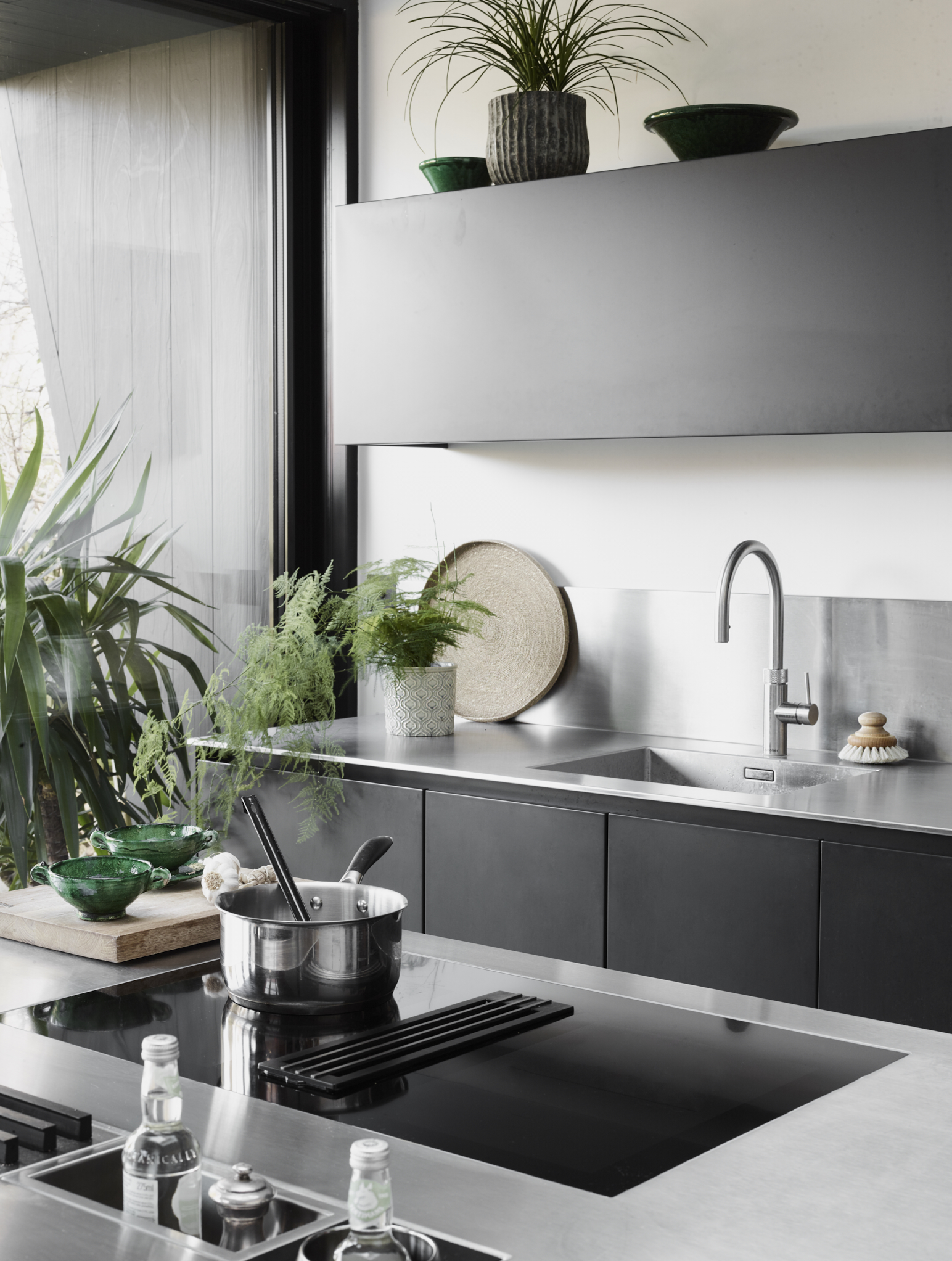
The renewed interest in stainless steel kitchens, and cool metals in general, is one of the more interesting shifts in 2026. Stainless steel has stepped out of the purely commercial kitchen and into contemporary residential spaces, helped along by what we’ve seen at Milan and Clerkenwell: metal used with warmth, texture and contrast rather than as a cold professional statement.
In our Wilbur project, Studio Clement mixed out-sized industrial stainless steel appliances and steel taps with an island clad in sintered stone that emulates Iron Corten steel. Together with the black steel roof joists and matt lacquer cabinets. Stainless steel brings the professional edge; the Corten-effect stone brings the warmth; black keeps everything grounded.
Incorporating stainless steel into your worktops, cabinetry or finishes like our Frost project is not always about recreating a chef’s kitchen at home but borrowing its confidence and tempering it with comfort.
Metal works best with natural materials
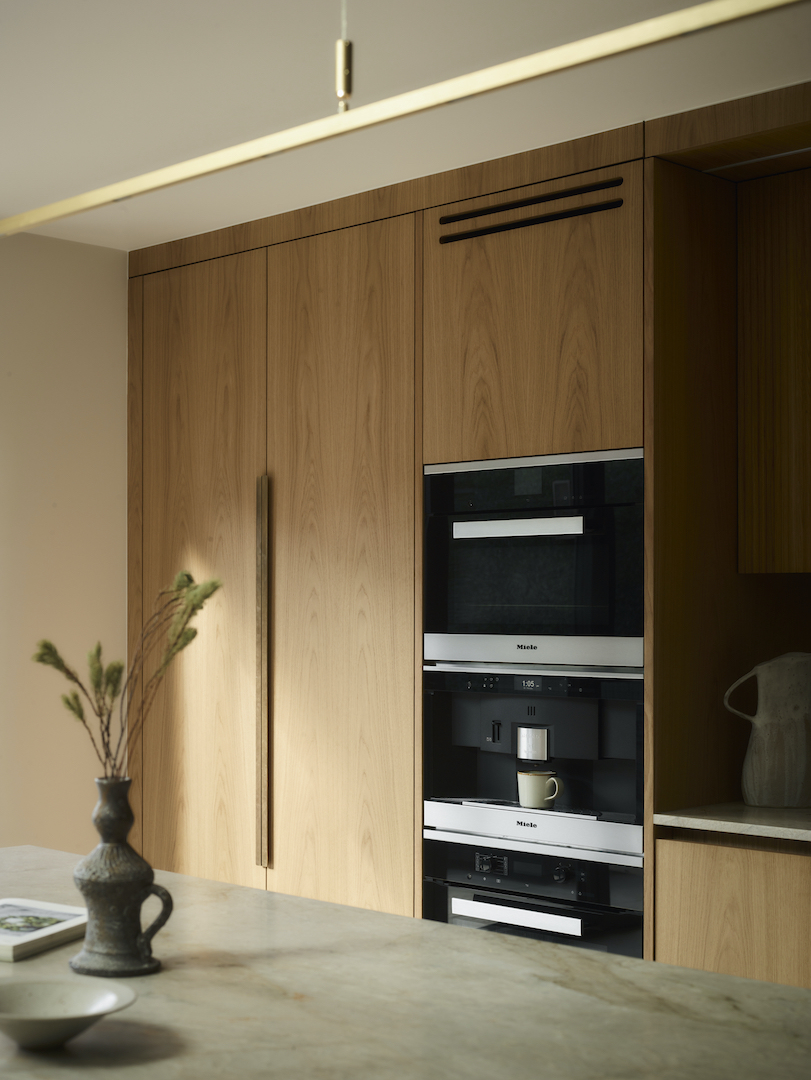
Mixed metals feel most timeless when they are balanced by materials with natural depth. Timber softens metal, stone gives it gravitas and solid blocks of matt lacquer colour can ground the whole composition. This is why architectural kitchens often rely on a careful relationship between surface, line and detail, rather than one hero finish doing all the work.
In our Bulpitt project, solid brass recessed edge pulls sit amid bookmatched oak veneer and leathered Taj Mahal quartzite, proving how brass kitchen details can feel refined rather than flashy. In our Rush project, Grey Bronze feature doors are paired with antique brass handles and a matching tap, while antique bronze mirrored glass introduces depth and reflection. Although the finishes sit within the same metallic family, their differing textures, tones and applications ensure the scheme is complementary, not contrived and overly matched.
That is why mixed metals feel less like a passing trend and more like an innate design language. Done well, an enticing mix of metals make a kitchen feel warm and welcoming. And that is where Roundhouse excels, creating kitchens where every metal finish, stone slab, timber grain and detail naturally belongs.
Feeling inspired by mixed metal kitchens?
From statement metal-wrapped islands and brass details to stainless steel worktops, our designers will help you create a bespoke kitchen that reflects your lifestyle and personal style. Book a design consultation and discover how the right combination of materials can transform your home.
Frequently Asked Questions – Mixed metal kitchens
Not at all. While mixed metal kitchens are one of the defining kitchen trends of 2026, the principle behind them is timeless. Designers have long used contrasting materials, textures and finishes to create depth and visual interest. The difference today is that metals are being treated as part of the architecture of the kitchen rather than simply decorative accents. A carefully considered mix of brass, bronze, stainless steel and blackened finishes can feel just as relevant in 10 years’ time as it does today.
In most cases, two or three metal finishes are enough. A good rule is to assign each finish a clear role within the scheme. One metal might be used on cabinetry or an island, another on appliances, and a third on smaller details such as taps, lighting or hardware. Using too many metallic finishes can make a kitchen feel busy, whereas a restrained palette creates a more sophisticated result.
Some of the most successful combinations pair metals with distinctly different characteristics. Brass and stainless steel work particularly well together, combining warmth with precision, while brass and blackened steel create strong architectural contrast. The key is ensuring the finishes are distinctively different. Metals that sit too closely together in tone can sometimes appear as though they were intended to match but don’t quite succeed.
Yes. One of the biggest shifts in luxury kitchen design is the renewed interest in stainless steel kitchens. Today’s interpretation is far removed from the purely commercial aesthetic of the past. Designers are combining stainless steel with natural stone, timber and darker metallic finishes to create kitchens that feel warm, tactile and highly liveable. Used selectively, stainless steel introduces clarity and precision without dominating the room.
The most effective approach is to think beyond taps and handles. In modern bespoke kitchen design, metal can be used on island cladding, cabinetry, shadow lines, plinths, shelving and feature doors. Roundhouse has been exploring these possibilities for more than three decades, including pioneering the metal wrap kitchen in the UK. By treating metal as an architectural material rather than a finishing touch, it becomes possible to create kitchens with greater depth, character and individuality.