When architecture leads the kitchen: designing seamlessly within complex interiors
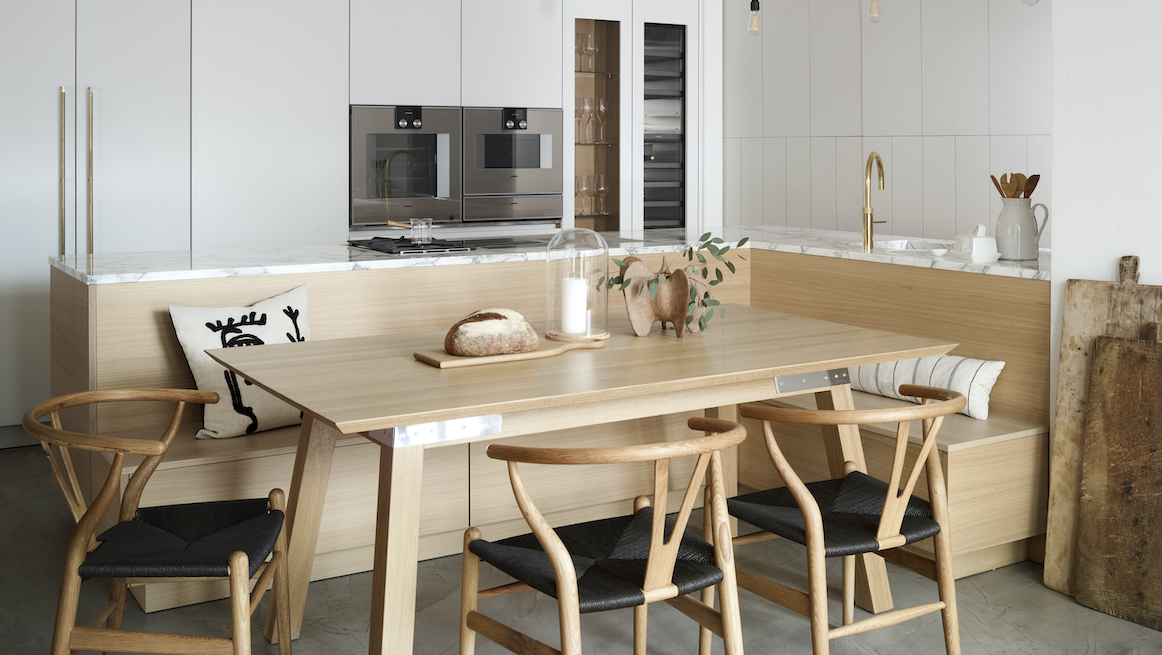
When architecture leads a project, the kitchen isn’t an afterthought, it’s shaped by structure, sightlines and the history of the building. Designing it well takes a different kind of kitchen partner, one that thinks beyond the number of base units and understands how to turn architectural intent into a space that genuinely works.
Founded by architects, Roundhouse has always approached kitchen design through an architectural lens. That background shapes everything we do – from how we read drawings and resolve heritage restrictions, to how we think about proportion, materiality and long-term performance within complex interiors and multi-unit projects. Read on for a closer look at how that architect-led approach plays out in practice.
Why you need design-led partners, not just suppliers
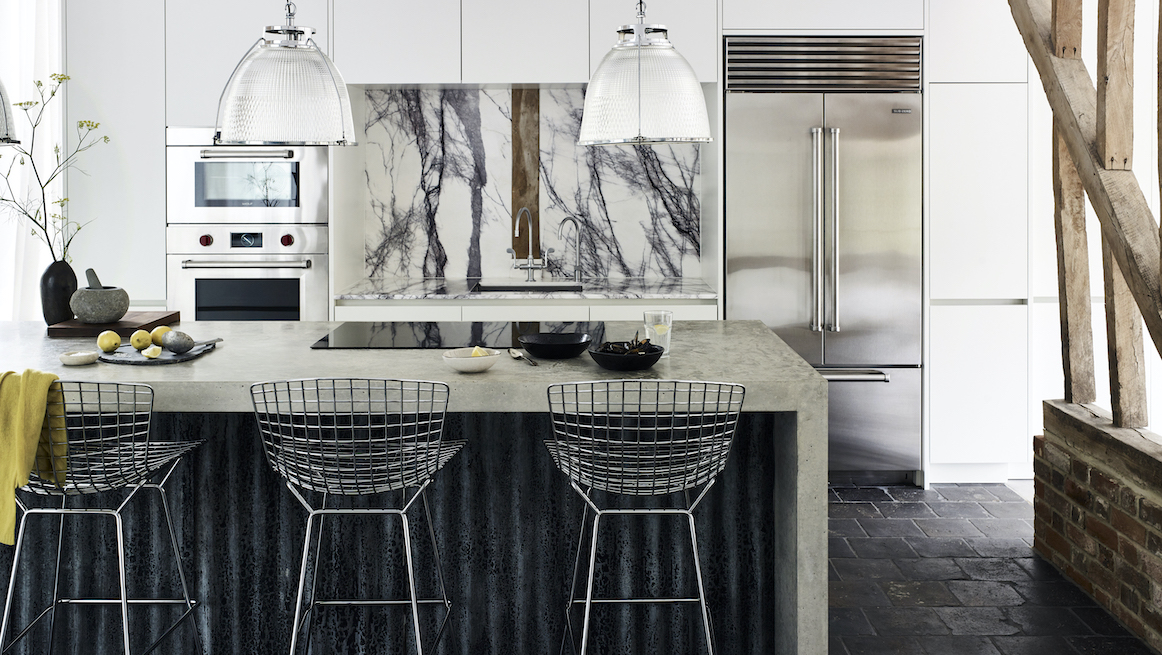
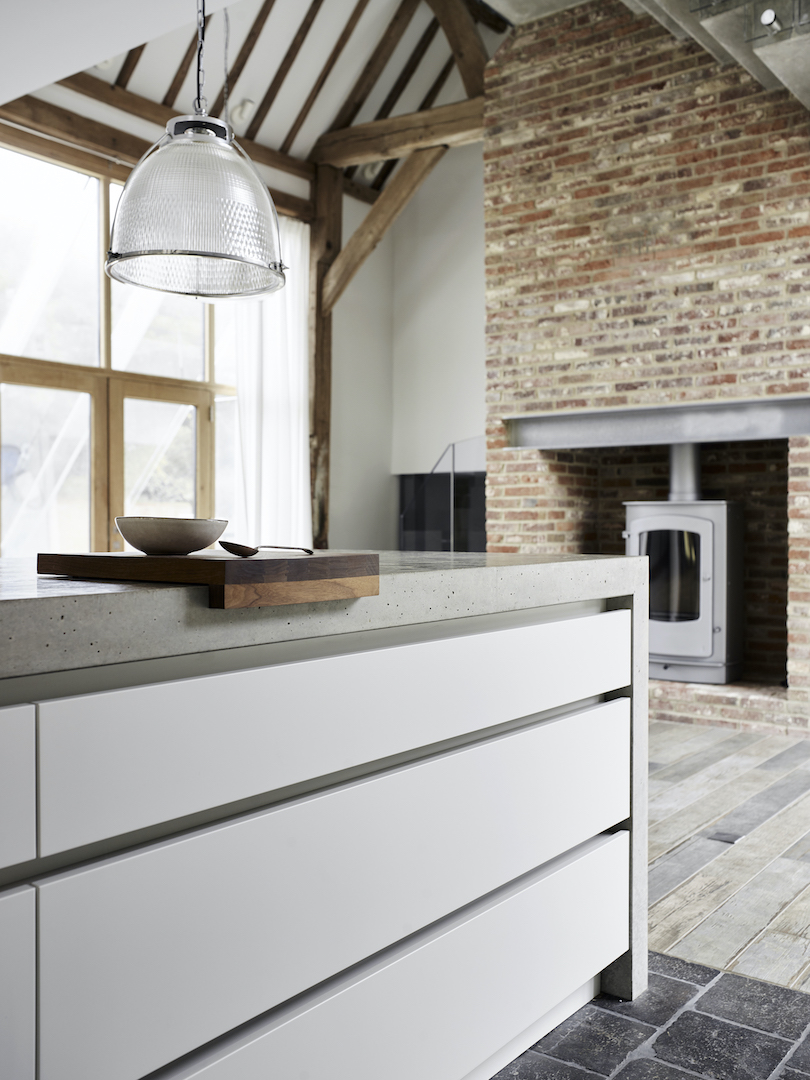
High-end interiors are tailormade, which means they demand more than standard solutions. Split levels, exposed brickwork, irregular envelopes and protected features all require a level of spatial understanding that goes beyond off-the-shelf thinking. Architects, developers and interior designers need a kitchen supplier with skilled designers who can read drawings fluently, anticipate technical challenges and understand how cabinetry sits comfortably within the architecture, not just against it.
At Roundhouse, we approach modern kitchen design as an architectural discipline. Our team works with architects from early stages, contributing to layout logic, sightlines, flow and junction details. This collaborative approach allows the kitchen to reinforce the architectural narrative rather than interrupt it, which should be a defining characteristic of the best luxury kitchens.
Aligning cabinetry with architectural intent
Successful designer kitchens don’t shout for attention, they belong. Achieving this requires careful alignment between cabinetry, lighting, material palette and layout.
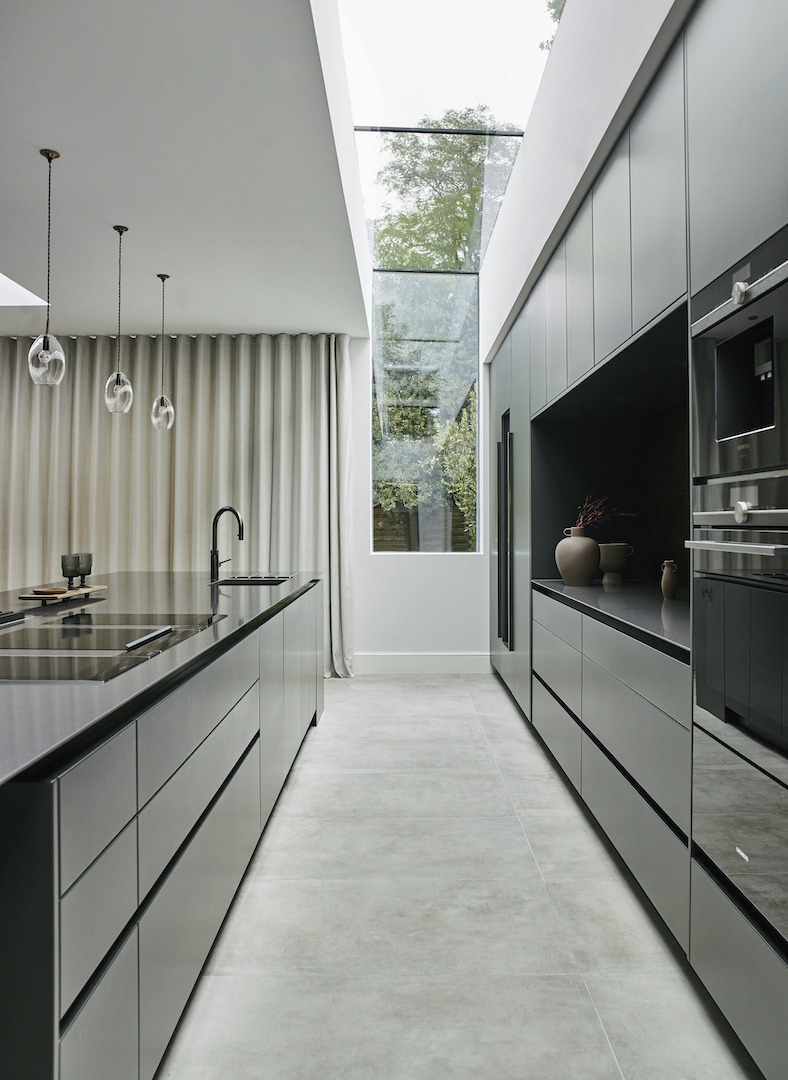
We regularly work alongside architects and other professionals to ensure cabinetry lines up precisely with window heads, ceiling planes and structural grids. Shadow gaps, reveals and flush detailing are resolved early, avoiding last-minute compromises on site. Lighting is treated as an integral layer – coordinating internal cabinet illumination with architectural lighting strategies to maintain consistency in tone, warmth and cohesion through the property.
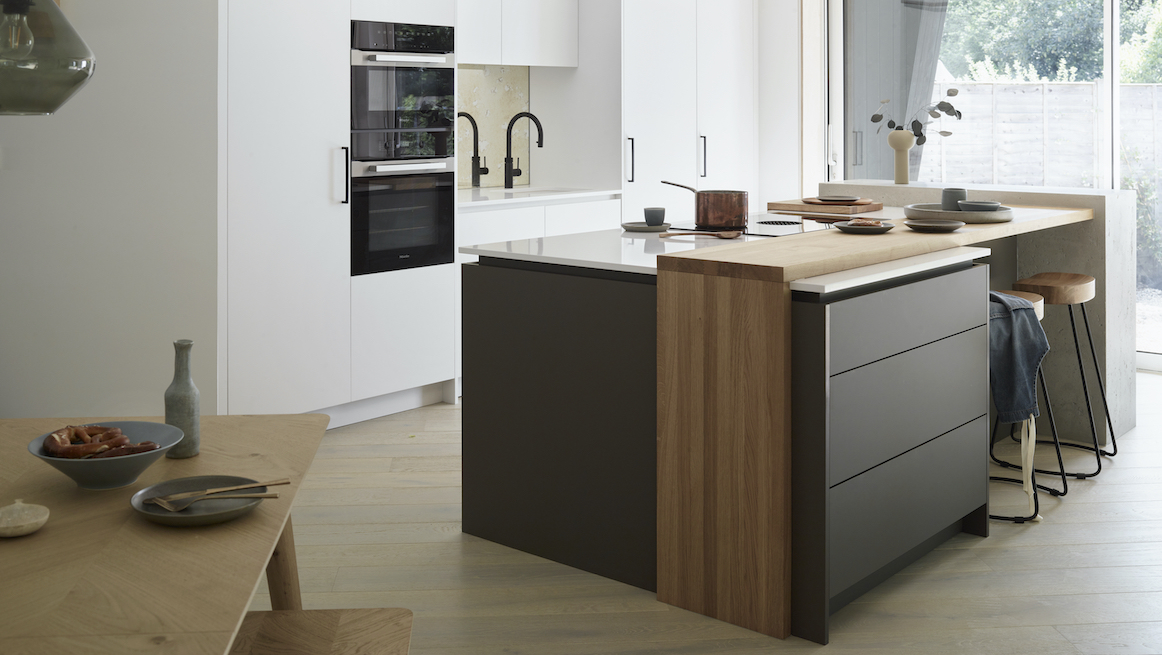
Materiality is equally critical. Whether working within a restrained palette of timber, stone and metal, or a more maximalist scheme, cabinetry finishes must sit comfortably alongside architectural surfaces. Our role as kitchen designers and bespoke manufacturers is to help refine these transitions, ensuring continuity across spaces while maintaining top-tier functionality.
Designing within heritage contexts
In period properties and sensitive sites, protecting architectural heritage is often central to the planning process. Planning officers frequently look for a clear delineation between old and new, but that distinction must feel authentic, balanced and intentional.
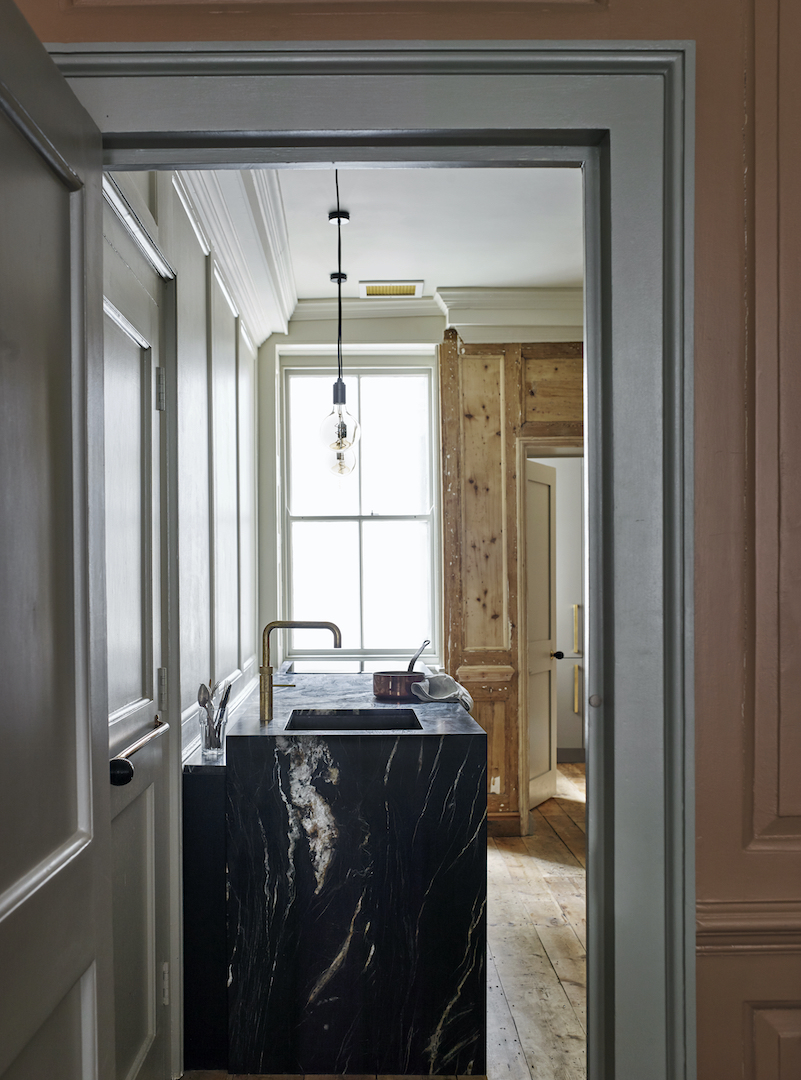
We have delivered many kitchens, like our Meard St project, that operate as fully functional fitted spaces without physically attaching to, or impacting, the fabric of the building. Freestanding compositions, independent structural frameworks and carefully considered fixing strategies allow the kitchen to read as a contemporary insertion rather than an invasive alteration.
This approach supports smoother (and ultimately successful) planning outcomes while preserving the precious integrity of historic structures. It also allows architects to feel confident that the architectural story, whether contrast or authentic dialogue, remains intact.
Protecting design intent in complex builds
More than 30 years of collaborating with architects has reinforced one key lesson: design intent is most vulnerable at the technical stage. Without rigorous coordination, even the strongest concept can be diluted through value engineering, site pressures or late design changes.
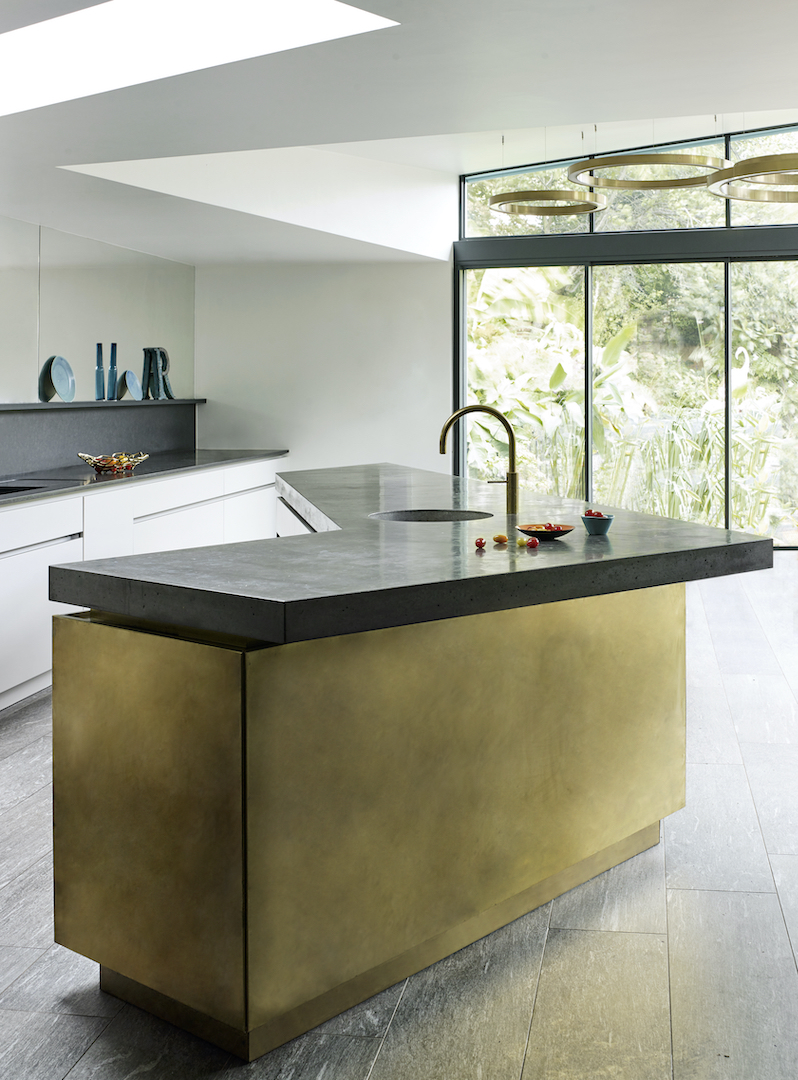
Our long-established and pressure-tested process is built to protect intent. Detailed technical drawings, early engagement with services, and close coordination with contractors ensure that what is specified is what gets built. Appliance integration, ventilation strategies and service zones are resolved holistically, allowing the kitchen to perform without visual compromise.
For developers, this means fewer surprises on site and a smoother installation programme. For architects and interior designers, it means confidence that the finished space will reflect the original vision – a hallmark of truly considered luxury kitchens.
By working as manufacturing partners rather than off-the-shelf or mass production suppliers, our kitchen designers can play a meaningful role in complex interiors. The most successful modern kitchen design schemes are those where collaboration is embedded from the outset, and where every decision – from site preservation to pantry storage – is made in service of the wider architectural intent.
For projects where architecture leads and the details matters, our Professional Sales Team is on hand to support early-stage coordination and seamlessly integrated kitchen design.
Frequently Asked Questions – When Architecture Leads the Kitchen
What does it mean when an architect leads the kitchen design?
When an architect leads the kitchen, design decisions are shaped by the structure, spatial logic and intent of the wider building. This ensures the kitchen integrates seamlessly within complex interiors rather than being treated as a standalone element.
Why are architect-led kitchens important in complex residential projects?
Architect-led kitchens respond to structural constraints, spatial proportions and long-term functionality from the outset. This approach supports clarity, reduces compromise and protects the architectural narrative throughout the project.
How does Roundhouse collaborate with architects on bespoke kitchens?
Roundhouse works closely with architects, interior designers and developers to translate architectural intent into bespoke kitchen solutions. Early engagement, shared technical understanding and coordinated detailing help ensure design continuity across the project.
How does Roundhouse help protect design intent in architect-led kitchens?
Roundhouse applies manufacturing knowledge and material expertise to resolve complex details without diluting the original design concept. This ensures transitions, junctions and finishes align with the architectural vision, even within demanding builds.
Are Roundhouse architect-led kitchens manufactured in the UK?
Yes, Roundhouse architect-led kitchens are designed and manufactured in the UK. British manufacturing enables close control over quality, precision and detailing, supporting the delivery of complex, architecturally led kitchen designs.