Shoreditch Design Week: What caught our eye at London Design Festival 2026
Some of the most interesting ideas in design begin with a material, a technique or a fresh perspective on something familiar. At this year’s London Design Festival, Shoreditch offered plenty of all three.
Making its debut as Shoreditch Design Week, the newly established district brought together leading international brands, independent makers and emerging designers across East London. From experimental materials and expressive craftsmanship to architectural furniture and beautifully considered details, it offered a fascinating glimpse into the ideas shaping contemporary interiors.
We spent the day exploring exhibitions, installations and showrooms, looking beyond the finished objects to the inspiration and craftsmanship behind them. What stood out was not one defining trend, but a shared appreciation for materials, individuality and thoughtful design.
Watch our reel on Instagram for a closer look at everything that caught our eye, from innovative materials and sculptural lighting to expressive craftsmanship and unexpected details.
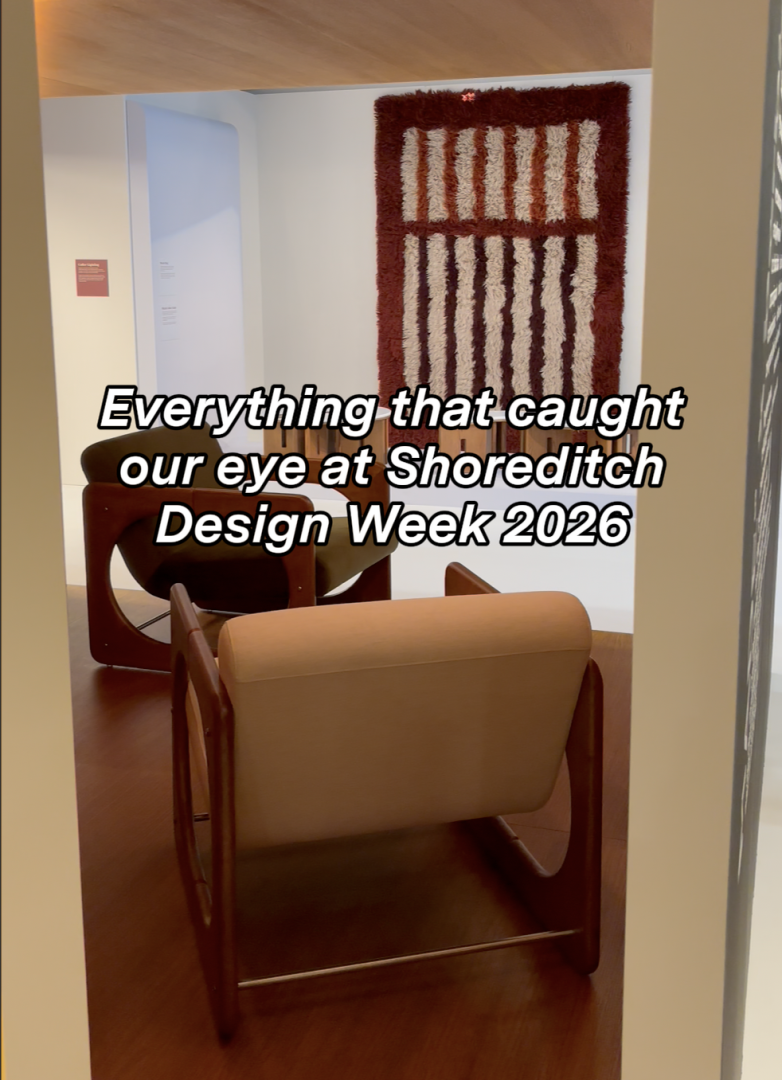
Here are more things that caught our eye at Shoreditch Design Week 2026 and how they could inspire the next generation of kitchens and interiors.
1. Material innovation: A new appreciation for craft and sustainability
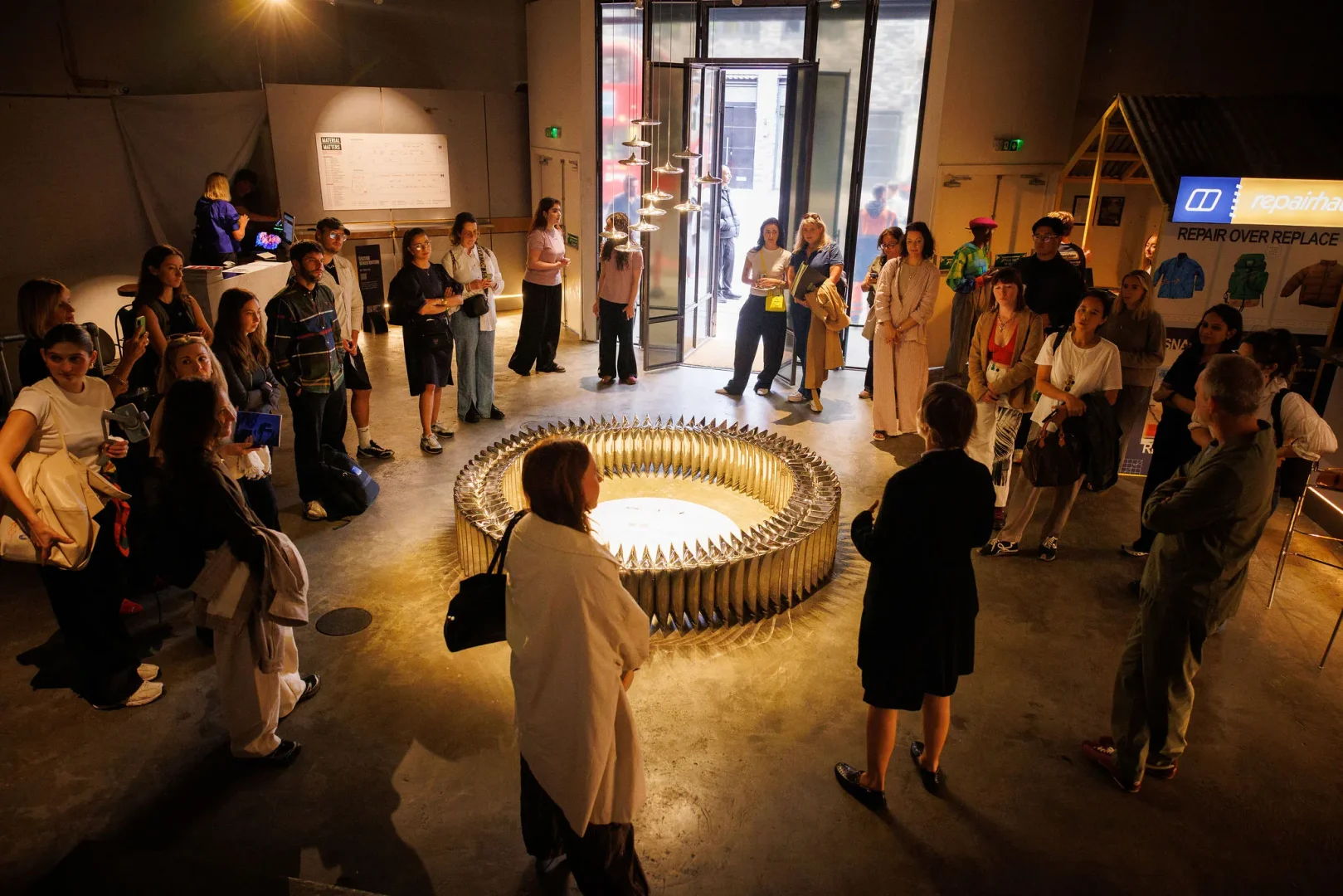
At Material Matters, the conversation extended far beyond how a material looks. Taking over a former industrial building on Curtain Road, the exhibition brought together designers, manufacturers and researchers exploring how materials are sourced, developed and transformed into objects for contemporary living.
Among the innovations were Biomason’s bacteria-grown tiles, Carbon Cell’s biochar-based alternative to conventional plastic foams and experimental approaches to natural materials. These projects demonstrated how scientific research and material experimentation are opening up new possibilities for architecture and interiors.
Yet it was the relationship between innovation and traditional craftsmanship that felt particularly relevant. Timber was a recurring theme, with makers exploring the character of different wood species, alternative approaches to construction and the potential of materials that might otherwise be overlooked. Josh Ling Studio, for example, presented furniture made using several British-grown timber species, revealing the individuality of each wood through its construction.
It was a reminder that sustainable design is not exclusively about inventing new materials. It is also about making more thoughtful use of the resources we already have, understanding their properties and celebrating the skills required to work with them.
For Roundhouse, this thinking has a natural connection to bespoke joinery. The beauty of timber lies in its individual grain, texture and character, but it is the skill of the cabinetmaker that brings those qualities into a finished design. By combining traditional craftsmanship with advanced manufacturing and considered material sourcing, we can create cabinetry designed for longevity rather than passing trends.
2. Architectural influences: The Barbican reimagined with Made x Barbican
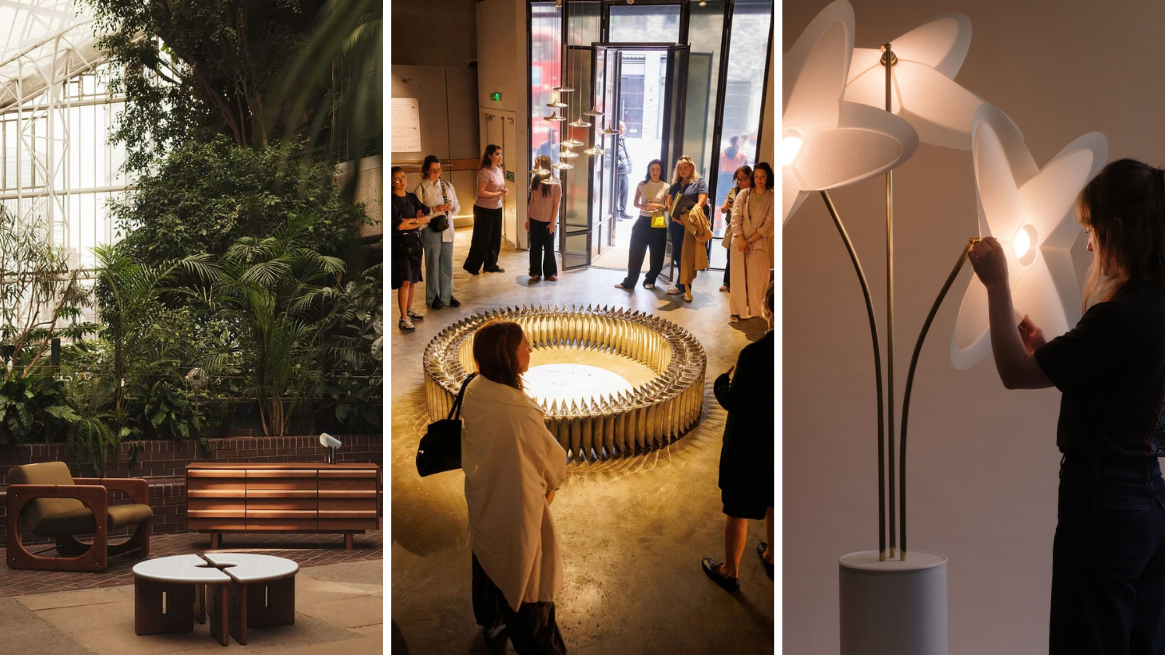
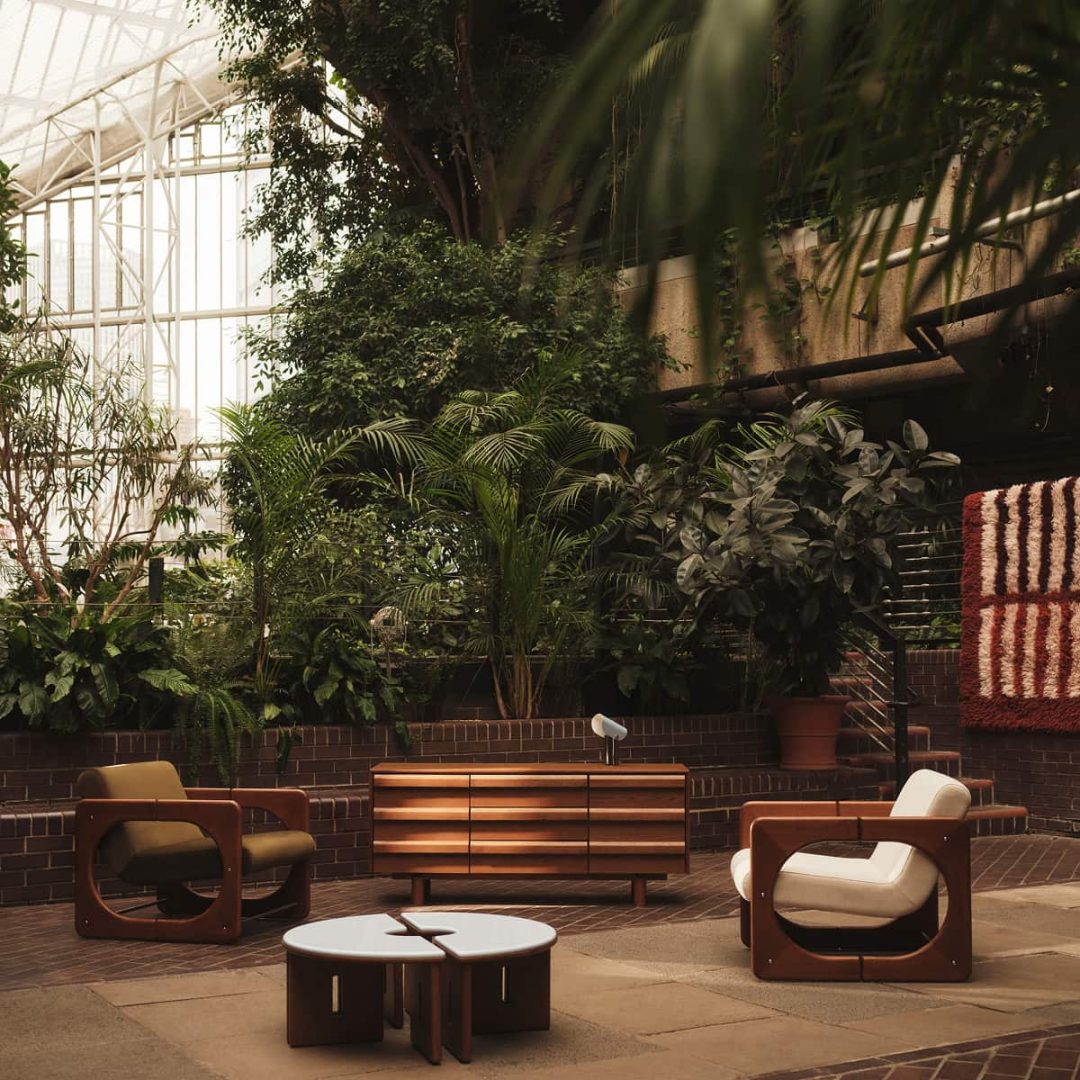
One of the most interesting collaborations we encountered was Made x Barbican, a furniture and lighting collection inspired by one of London’s most recognisable architectural landmarks.
Drawing on the Barbican’s Brutalist architecture, original floorplans and interior design heritage, the collection reinterpreted familiar architectural features through contemporary furniture, lighting and textiles. Geometric forms, modular arrangements and sweeping curves transformed the building’s distinctive architectural language into objects designed for everyday living.
What made the collection particularly interesting was its ability to celebrate an iconic building without simply reproducing its architecture. The references were recognisable, but the resulting pieces felt contemporary and relevant to modern interiors.
This is an approach that resonates with our own design philosophy. A bespoke kitchen should feel connected to the architecture of its home, whether that means echoing the proportions of a period property, introducing materials that complement its original features or creating cabinetry that responds to a contemporary architectural scheme.
The most successful interiors are often those in which furniture, joinery and architecture feel part of the same conversation.
3. When craftsmanship becomes art: Shoreditch Town Hall
If Material Matters celebrated the possibilities of materials, Shoreditch Town Hall demonstrated just how expressive those materials can become in the hands of a designer.
At the You Can Sit With Us exhibition, curated by 2LG Studio, furniture, lighting and decorative objects blurred the boundaries between functional design and contemporary art. The 2026 edition, Messy Heart, celebrated individuality, emotion and human connection, offering an alternative to the pursuit of perfectly coordinated interiors.
Among the more playful pieces were Maria Bragagnolo’s Bad Posture Chair, which challenged conventional ideas about how furniture should be used, and Josh Jen’s sculptural woven leather lighting. Both demonstrated how traditional techniques and familiar objects can be reinterpreted with imagination.
The lighting installations were particularly memorable. In the basement, Oscar Nicol-Schwarz’s Living Participants featured suspended lights that appeared to breathe, gently pulsing and responding to the movement of visitors. The installation transformed lighting from a static object into something interactive, creating an unexpected relationship between the viewer and the space.
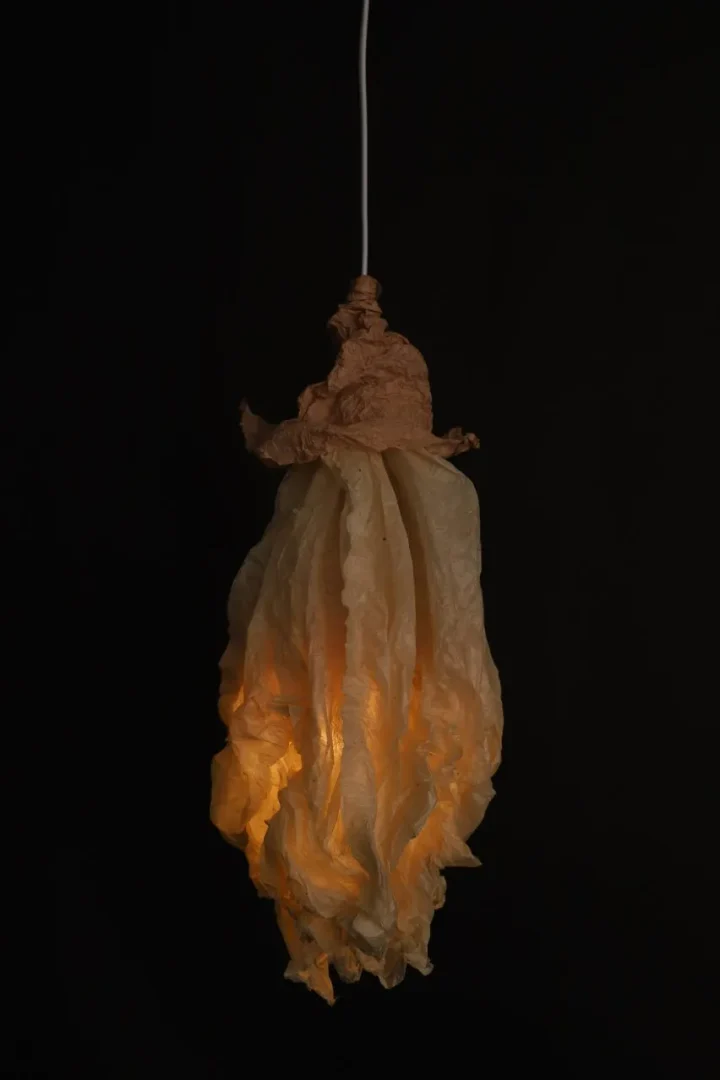
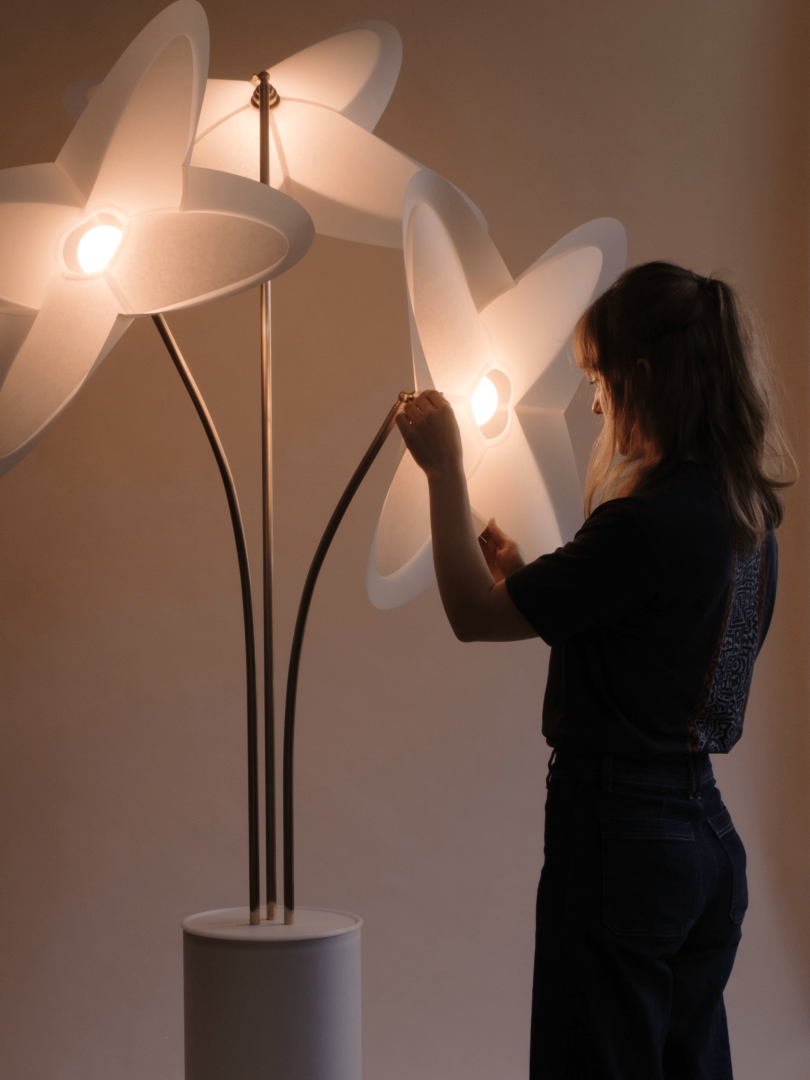
Studio Claud Christian’s sculptural Flora lighting collection was another highlight, with its playful, floral-inspired forms bringing a sense of nature and artistry into the space. Equally suited to an art gallery or a beautifully curated private residence, they demonstrated how lighting can become much more than a practical necessity, creating a striking focal point while bringing personality, atmosphere and a sense of discovery to an interior.
For bespoke interiors, the appeal lies in finding the balance between artistic expression and everyday functionality. An unusual material combination, a beautifully crafted detail or a sculptural element can give a room its own identity without compromising how it is used.
At Roundhouse, that individuality can be expressed through everything from the shape of a kitchen island to the profile of a cabinet door, allowing craftsmanship to become an integral part of the design.
4. Timeless furniture with a playful use of colour: Vitra and Artek
After the experimental installations across Shoreditch, Vitra and Artek offered a different perspective on contemporary design, demonstrating how enduring furniture can remain relevant, expressive and full of personality.
What particularly caught our eye was the use of colour. Alongside the brands’ familiar furniture silhouettes and natural materials, playful pops of colour introduced energy and character, creating interiors that felt inviting rather than overly formal.
It was an interesting reminder that timeless design does not have to mean a restrained or entirely neutral palette. Colour can be introduced through individual furniture pieces, allowing a space to evolve without changing its architectural foundations.
This approach feels particularly relevant to home offices and multifunctional living spaces, where thoughtful colour choices can bring a sense of energy and enjoyment to the working day.
The same principle can be applied to kitchens. A colourful dining chair, upholstered banquette or carefully chosen piece of furniture can introduce personality to an otherwise understated scheme. Paired with natural timber, stone and beautifully proportioned cabinetry, these details can create a space that feels both enduring and distinctly individual.
5. Statement stone and the beauty of natural materials: Mandarin Stone
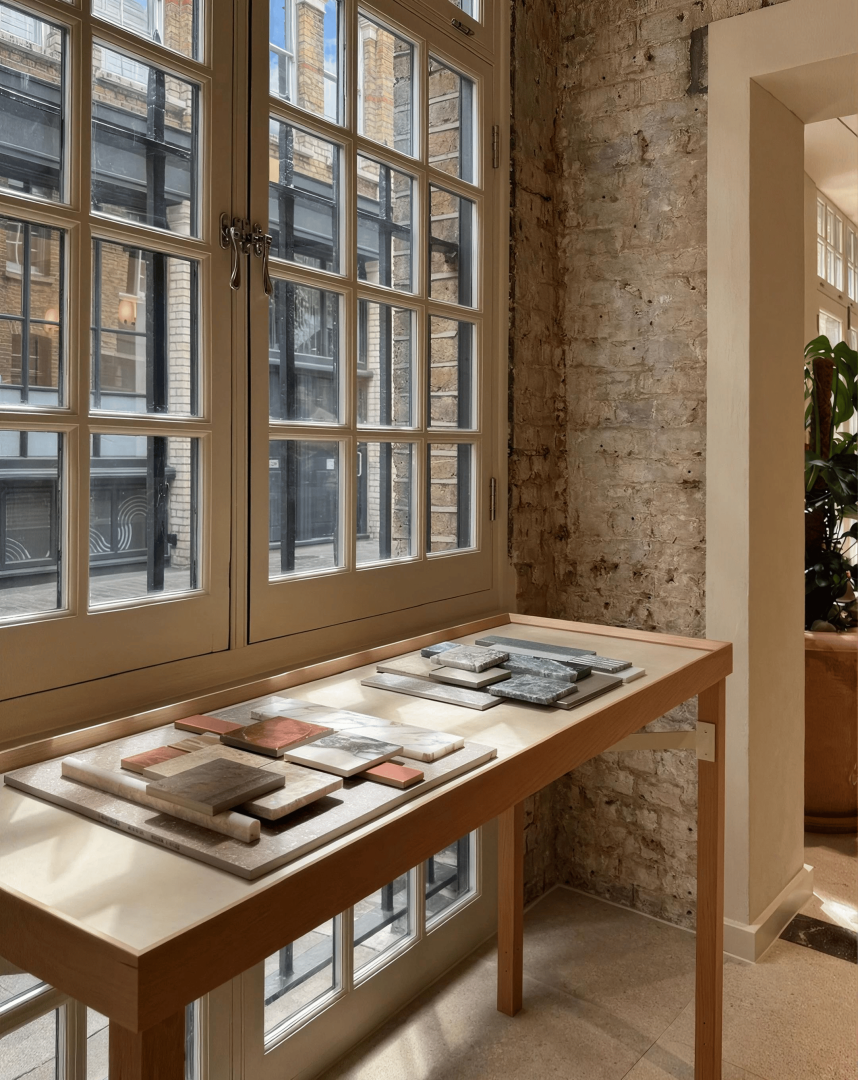
At Mandarin Stone‘s new Shoreditch showroom, the focus shifted towards surfaces and the transformative effect they can have on an interior.
Natural stone offers an extraordinary variety of colour, pattern and texture. From expressive veining and rich, earthy tones to quieter surfaces with subtle movement, each material has the potential to introduce a different character to a room.
What makes stone particularly interesting is the relationship between its natural character and the way it is used. An expressive marble can become the focal point of a kitchen island, while a more understated quartzite can bring warmth and depth to an expansive worktop. Texture adds another dimension, changing how a surface responds to natural and artificial light.
For Roundhouse, selecting a stone for your worktop is about much more than choosing a colour. The scale of its pattern, the direction of its veining and its relationship with the surrounding cabinetry all influence the finished design. A carefully selected slab can bring an entire kitchen together, creating a connection between materials that feels considered rather than overly coordinated.
6. The details that make a difference: Hendel & Hendel
Sometimes the smallest elements of an interior have the greatest influence on how it looks and feels. Our visit to Hendel & Hendel was a reminder of the importance of beautifully considered hardware, where craftsmanship, tactility and design come together.
Handles are one of the most frequently used elements of a kitchen, yet their role extends far beyond practicality. Their proportions, textures and finishes can transform the character of cabinetry, introducing subtle contrast or creating a distinctive decorative statement. A beautifully designed handle should feel as considered in the hand as it looks against a cabinet door.
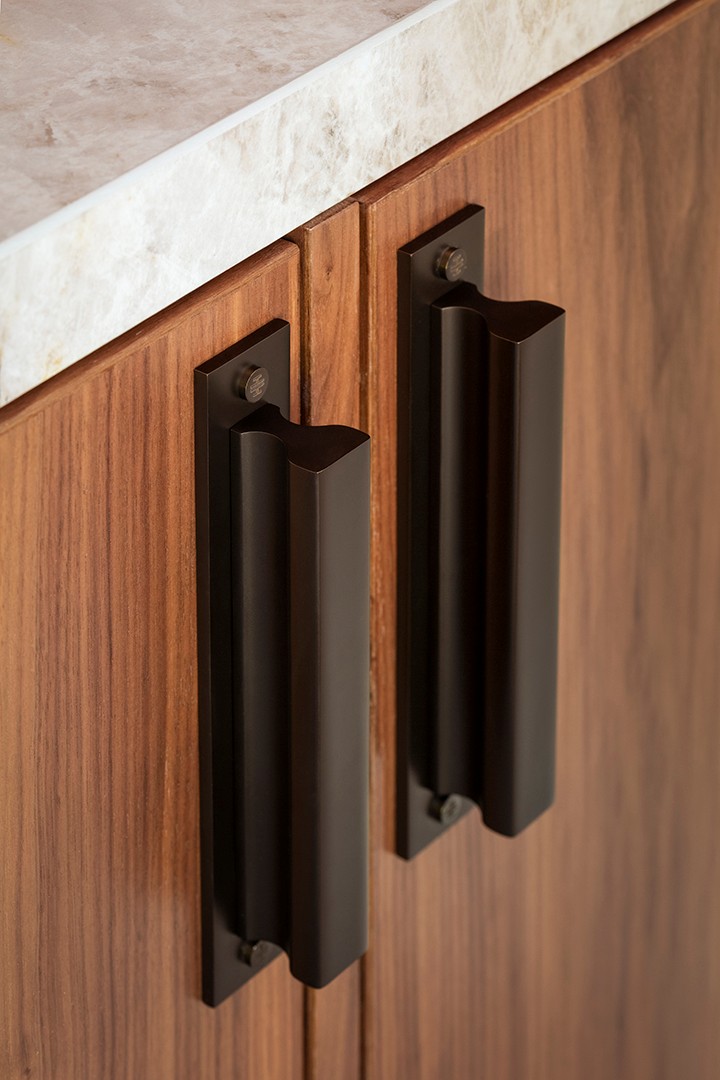
Among the new introductions, Hendel & Hendel’s Bronze finish particularly caught our eye. Combining the contemporary appeal of black hardware with subtle, warming red undertones, it offers a richer alternative to traditional black or brass. Its softly aged texture and depth of colour work beautifully alongside natural timber, expressive stone and painted cabinetry, reflecting the growing appreciation for warmer, more layered material palettes.
For Roundhouse, hardware is an integral part of bespoke kitchen design rather than simply a finishing touch. From elegant, recessed brass handles that bring warmth and subtle detailing to sculptural designs that make a statement, every choice is an opportunity for personalisation. Equally, our handleless cabinetry allows the beauty of statement materials and craftsmanship to take centre stage, creating a seamless, contemporary aesthetic.
Whether understated or expressive, it is these carefully considered details that bring together materials, enhance the everyday experience of a space and give a kitchen its sense of completeness.
What Shoreditch Design Week tells us about the future of interiors
Across the exhibitions and showrooms, several ideas connected: a renewed appreciation for craftsmanship, curiosity about innovative materials, a more expressive use of colour and an increasingly individual approach to furniture and interior detailing.
As ever, sustainability was another important part of the conversation. From experimental biomaterials to alternative approaches to timber and manufacturing, designers were exploring how responsible material choices could become an integral part of the creative process rather than a limitation.
Perhaps the most interesting takeaway was the relationship between innovation and longevity. While some installations challenged conventional ideas about form and function, others demonstrated the enduring appeal of natural materials, traditional techniques and thoughtfully designed objects.
For us, the value of London Design Festival lies in experiencing these ideas first-hand and considering how they can translate into real homes. Not every experimental material or sculptural object belongs in a kitchen or bathroom, but the thinking behind it can inspire new approaches to form, texture, function and craftsmanship.
At Roundhouse, our designers bring these influences together with the practical knowledge required to create kitchens and bespoke interiors that are individual to each home.
Explore our kitchen design ideas, download a brochure or visit your nearest showroom to discover how materials, finishes and considered details can shape your next project.
FREQUENTLY ASKED QUESTIONS:
At Shoreditch Design Week, material innovation, expressive craftsmanship, architectural furniture, sculptural lighting and more considered approaches to sustainability stood out. The exhibitions demonstrated a growing interest in how objects are made, how they feel and how they can bring greater individuality to contemporary interiors.
The ideas showcased in Shoreditch offer inspiration for more tactile materials, architectural forms, expressive natural stone and carefully considered details. In bespoke kitchens, these influences could translate into textured cabinetry, sculptural kitchen islands, statement worktops and more individual combinations of furniture and finishes.
Material Matters showcased a range of innovative materials, including bacteria-grown tiles, biochar-based alternatives to plastic foams and furniture made using different British-grown timber species. The exhibition explored how responsible sourcing, material experimentation and traditional craftsmanship can contribute to more sustainable approaches to design.
Rather than adopting every new trend, focus on elements that complement your home’s architecture and the way you live. Introduce texture through timber or natural stone, soften architectural lines with curved cabinetry, or use carefully selected hardware and lighting to bring personality to the space. Bespoke design allows these details to be tailored to your individual requirements.
Yes. Shoreditch Design Week is one of London Design Festival’s official design districts. In 2026 the festival took place from 15–20 September, bringing together established brands, emerging designers, exhibitions, installations and events across East London.