Beyond trends at Decorex 2026: Designing for feeling and the psychology of colour
Every year, design events introduce us to the colours, materials and ideas set to shape our homes. Yet one of the most thought-provoking conversations at Decorex 2026 was not about what is trending, but something far more personal: how do you create a home that truly feels like you?
At the talk Designing for feeling: The psychology of colour and creating a home that feels like you, Tash Bradley of Lick, Franky Rousell of Jolie, architect Charles Gillespie and interior designer Lizzie Green explored the emotional connection between colour, materials, architecture and wellbeing.
We left feeling inspired, not least because the conversation echoed something fundamental to the Roundhouse philosophy. True bespoke design is not about following trends or creating a particular aesthetic. It is about understanding the individual, responding to the architecture and designing something that belongs to both.
Founded by architects, Roundhouse has always approached kitchen design with the wider home in mind. Its proportions, character, natural light and surrounding spaces are considered alongside the personality, preferences and everyday routines of the people who live there. The result is a kitchen that feels entirely individual, rather than a design that could simply be replicated elsewhere.
Here are five ideas from Decorex 2026 that particularly resonated with us, and how they relate to creating a home that feels unmistakably yours.
1. Start with a feeling, not a colour palette
Before choosing paint colours, cabinetry finishes or fabrics, consider a more fundamental question: How do you want your home to make you feel?
Lizzie Green spoke about the emotional role of colour and the importance of establishing the right atmosphere for a space. A room might need to feel restorative and peaceful, or playful, energising and full of character. These feelings should guide the design rather than emerge as an afterthought.
What do different colours mean in interior design?
Colour psychology explores how different shades can influence the way we perceive and experience a space. While these associations are not universal, certain colours are commonly linked to particular feelings:
- Blue: Calm, tranquillity and focus, often favoured for restful bedrooms and peaceful interiors.
- Green: Nature, balance and restoration, bringing a sense of connection to the outdoors.
- Red: Energy, passion and warmth, introducing intensity and character to a space.
- Yellow: Optimism, happiness and warmth, often associated with uplifting, welcoming interiors.
- Orange: Creativity, warmth and sociability, although its vibrancy can feel overwhelming to some.
- Pink: Lighter pinks can evoke comfort, softness and a sense of nurture, yet a shade that feels calming to one person may be entirely unappealing to another.
- Purple: Creativity, richness and individuality, particularly in deeper, more expressive shades.
- White and neutrals: Simplicity, clarity and calm, providing a versatile backdrop for natural materials and personal details.
- Black and darker tones: Sophistication, depth and intimacy, creating contrast and architectural definition.
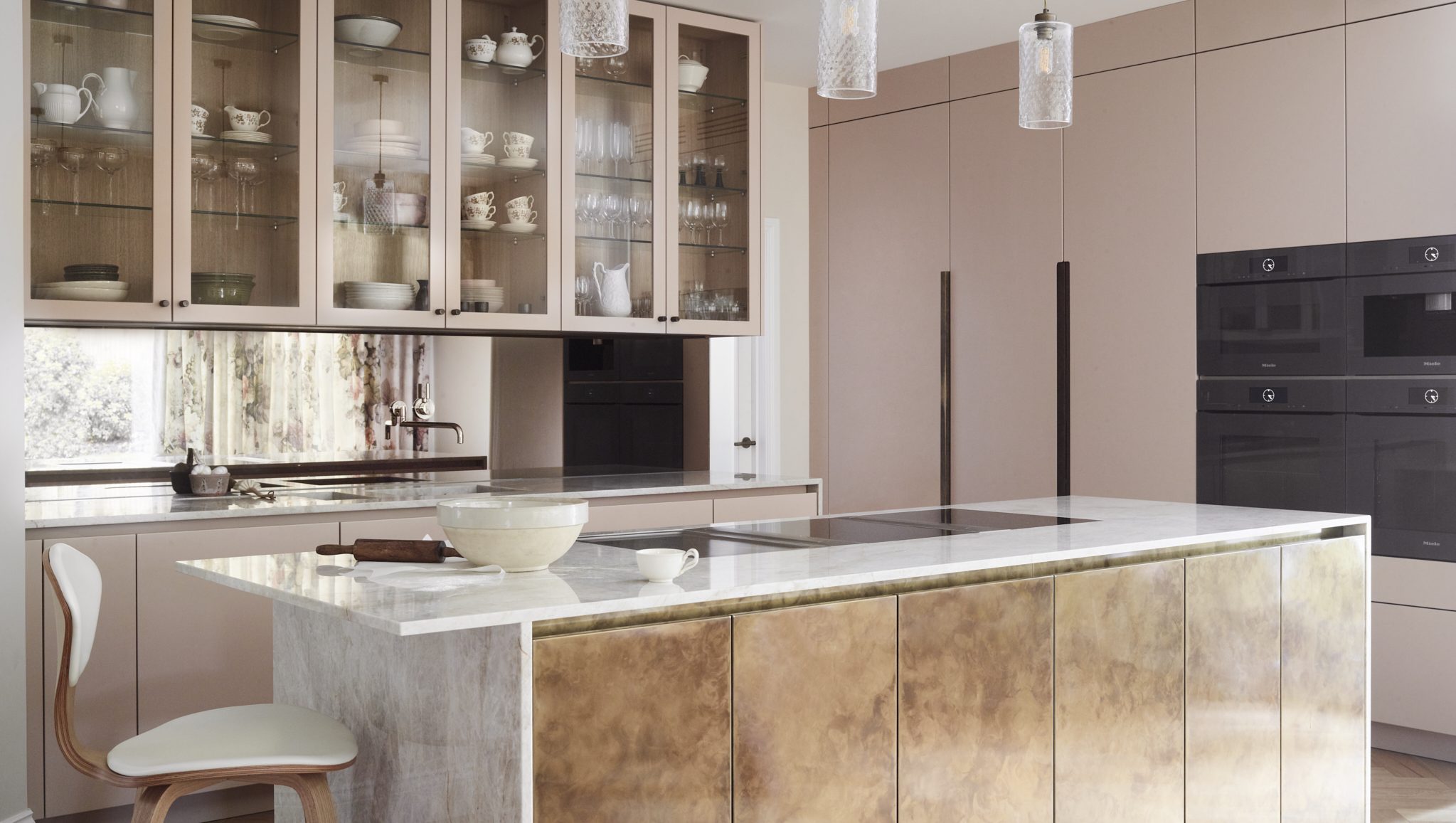
- Metallic finishes: Warm metals such as brass and copper evoke richness, comfort and a sense of craftsmanship, while cooler finishes such as stainless steel and blackened steel introduce a sense of modernity, clarity and architectural precision. Thoughtfully combining contrasting metals creates a luxurious sense of depth, balance and character.
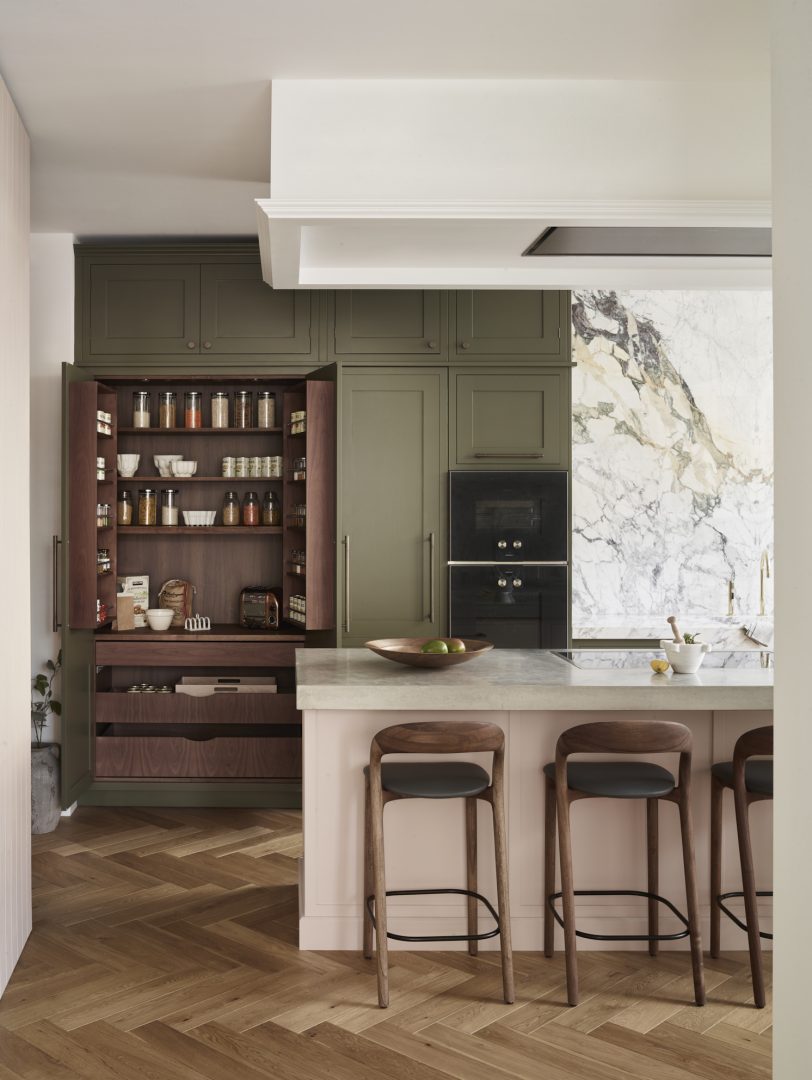
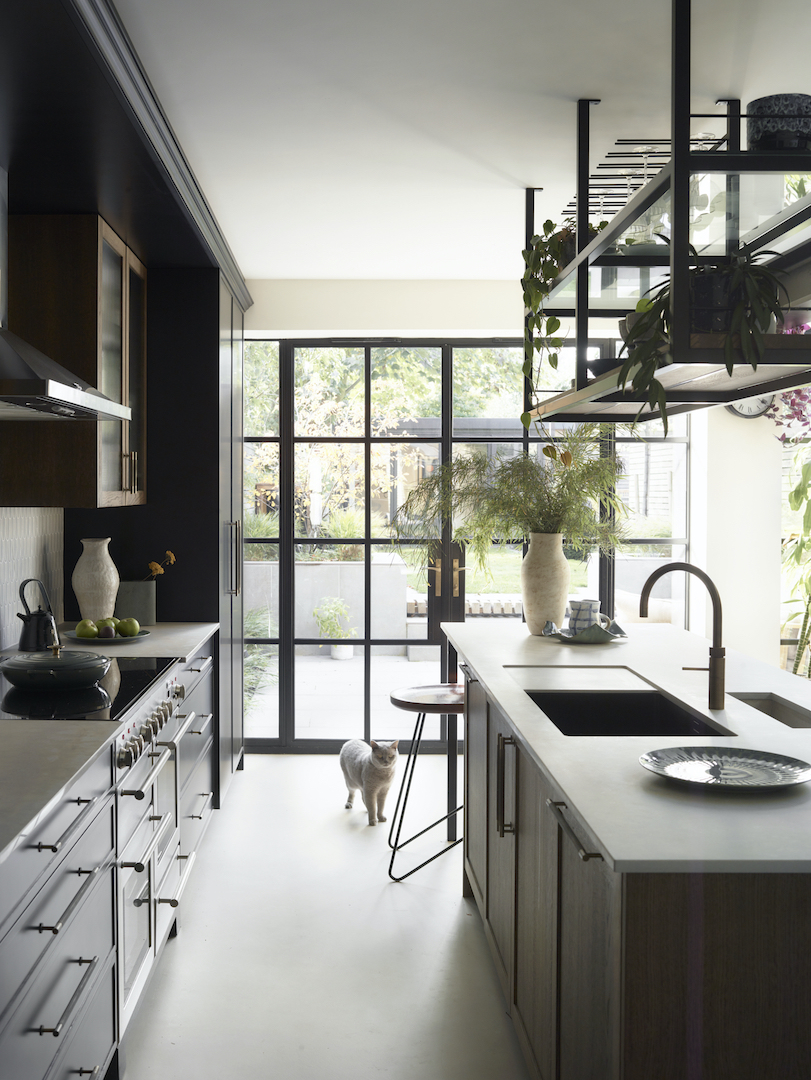
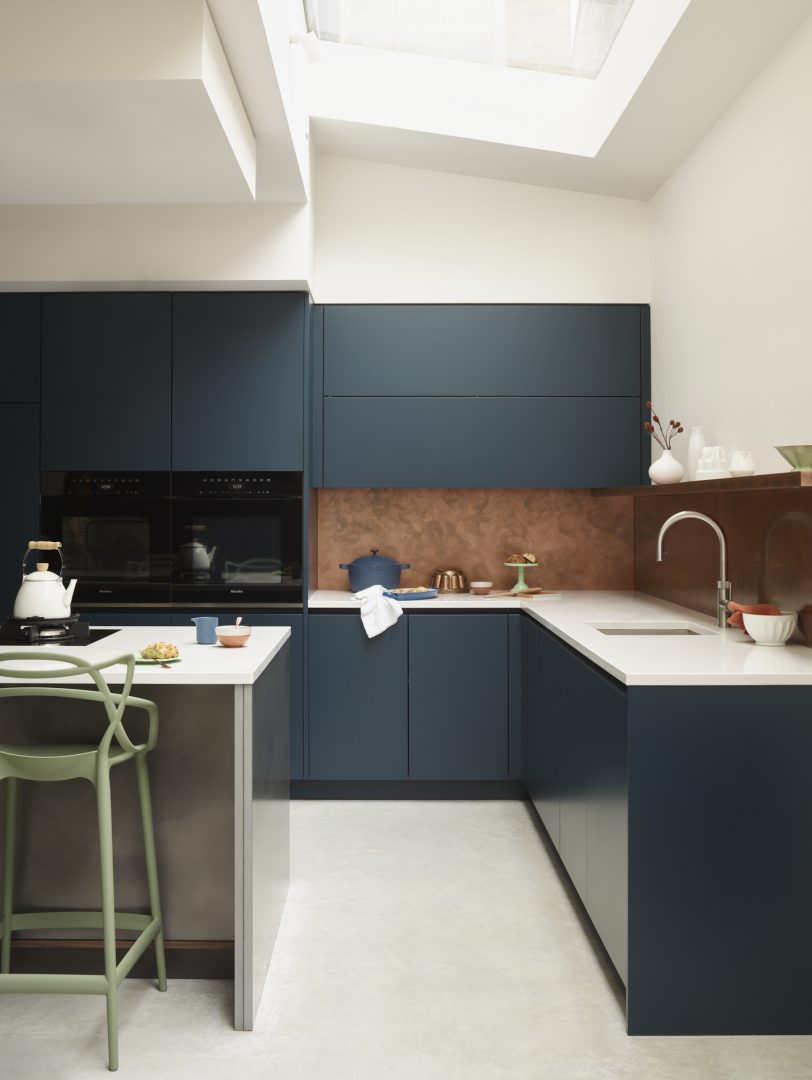
But these associations only tell part of the story. A colour that brings one person joy might evoke an entirely different response in someone else. Its effect also changes depending on the surrounding materials, natural light and neighbouring colours. This is why meaningful interior design begins with personal instinct, rather than prescribing how a particular shade should make us feel.
One particularly memorable example involved a client whose dressing room incorporated the colour of their childhood bedroom. The decision was not driven by a trend or conventional colour pairing, but by nostalgia and the desire to recreate a sense of joy and creativity.
It is a reminder that the most meaningful interiors often have stories behind them.
For Lizzie, understanding those stories begins with a thorough design brief. How does a family spend time together? What music do they enjoy? Where do they travel? What objects have they collected over the years? These details reveal far more about someone’s personal style than a collection of reference images alone.
This understanding of the individual is central to the Roundhouse design process.
Every bespoke kitchen begins with a conversation about the people who will use it. How do they cook? Do they love entertaining? Is the kitchen somewhere the family gathers throughout the day, or a quieter space for preparing meals and unwinding? These considerations inform far more than the colour palette. They influence the layout, proportions, storage, materials and the relationship between the kitchen and adjoining rooms.
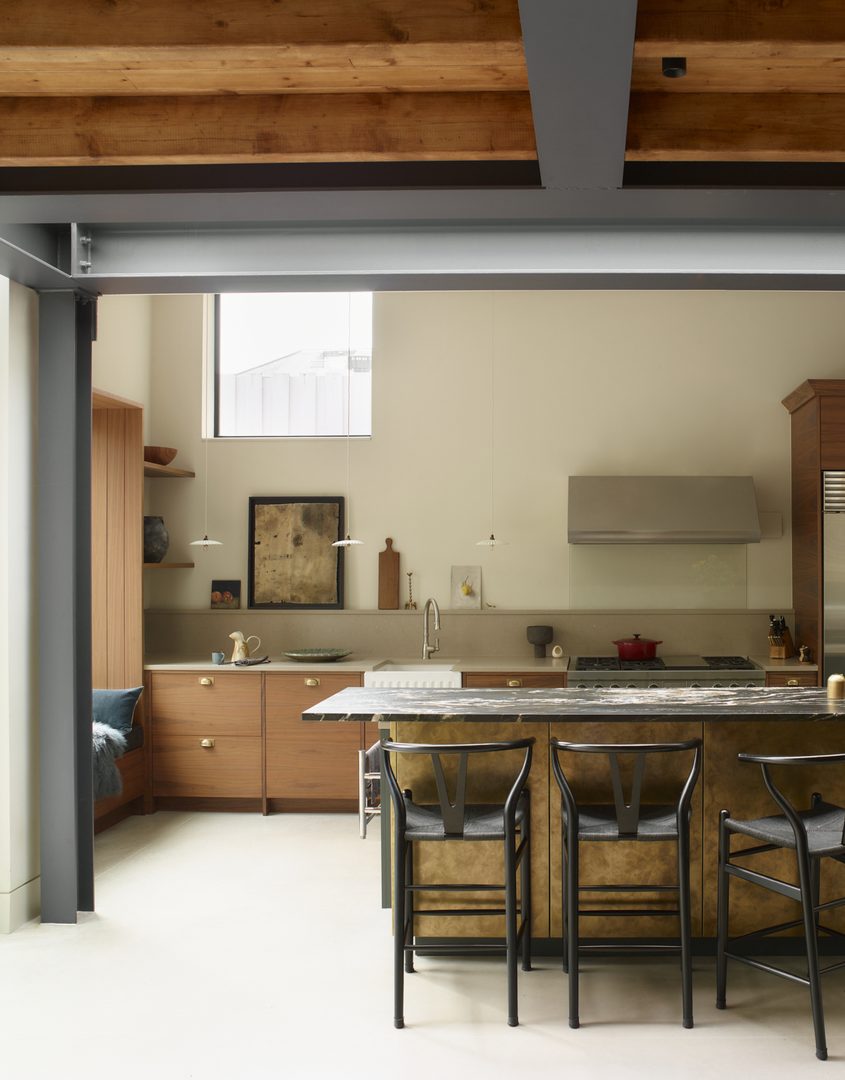
Our Meunière project reflects this approach. Designed for a French family making London their home, the kitchen combines discreet storage, understated cabinetry and warm natural materials to create a calm, welcoming atmosphere. Every detail was considered to support the family’s lifestyle while feeling entirely at home within their Kensington townhouse.
For one client, the perfect kitchen might feature a generous island designed for cooking and conversation. For another, it could mean discreet appliances, beautifully organised storage and a more understated approach.
Neither is more desirable than the other. What matters is that the design feels right for the individual and their home. That is the essence of personalised kitchen design: creating something that reflects how you want to live, rather than asking you to adapt to a prescribed style.
2. Look beyond paint: the natural colour of materials
Colour does not have to come from a paint chart.
Architect Charles Gillespie offered an architectural perspective on colour, explaining how it can emerge naturally through the materials that form a building and its interiors.
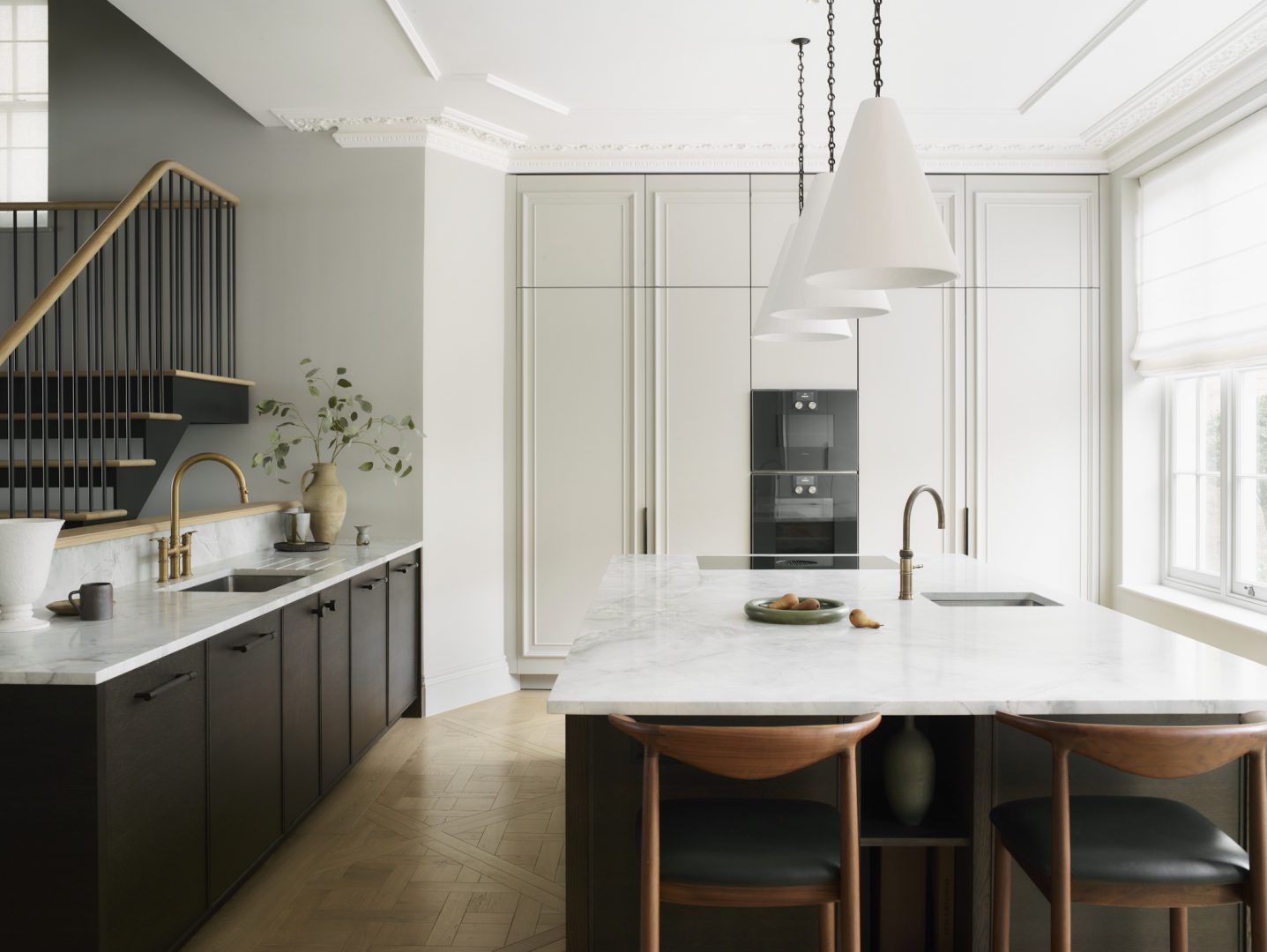
Stone, timber and other natural materials carry their own colours, textures and variations. A piece of stone may contain subtle mineral veining, while timber reveals different tones through its grain. These qualities shift with changing daylight, develop character over time and create depth that a flat colour alone cannot replicate.
Rather than applying colour to an architectural space at the end of the process, Charles encouraged considering it from the outset through material selection, texture and the building’s wider context.
This approach is particularly relevant to Roundhouse, where architecture and materiality are fundamental to bespoke kitchen design. A kitchen should feel connected to the building it occupies. Its proportions, sightlines, architectural details and relationship with adjoining spaces all influence the design, while materials are selected to complement both the architecture and the client’s personal preferences.
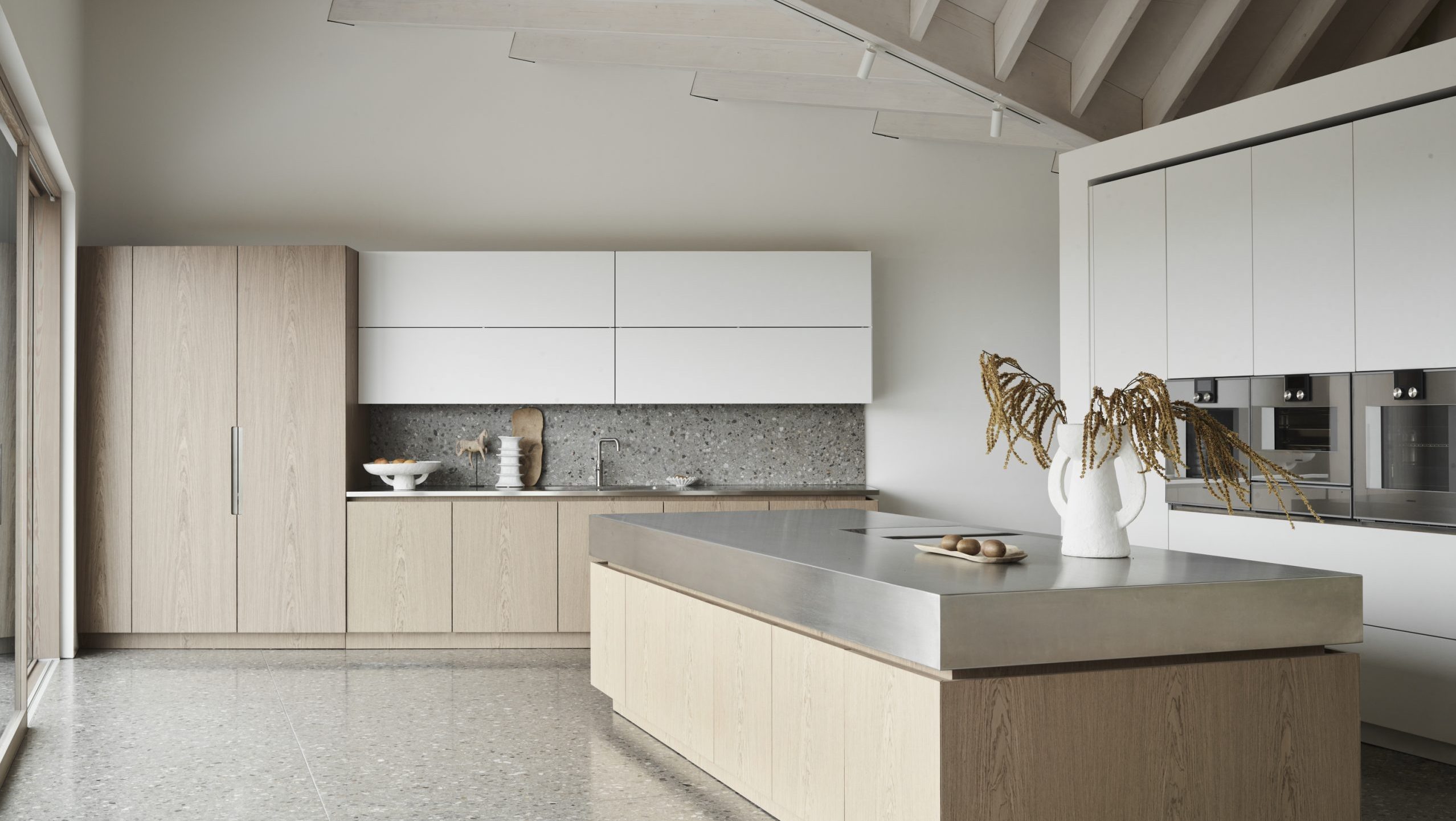
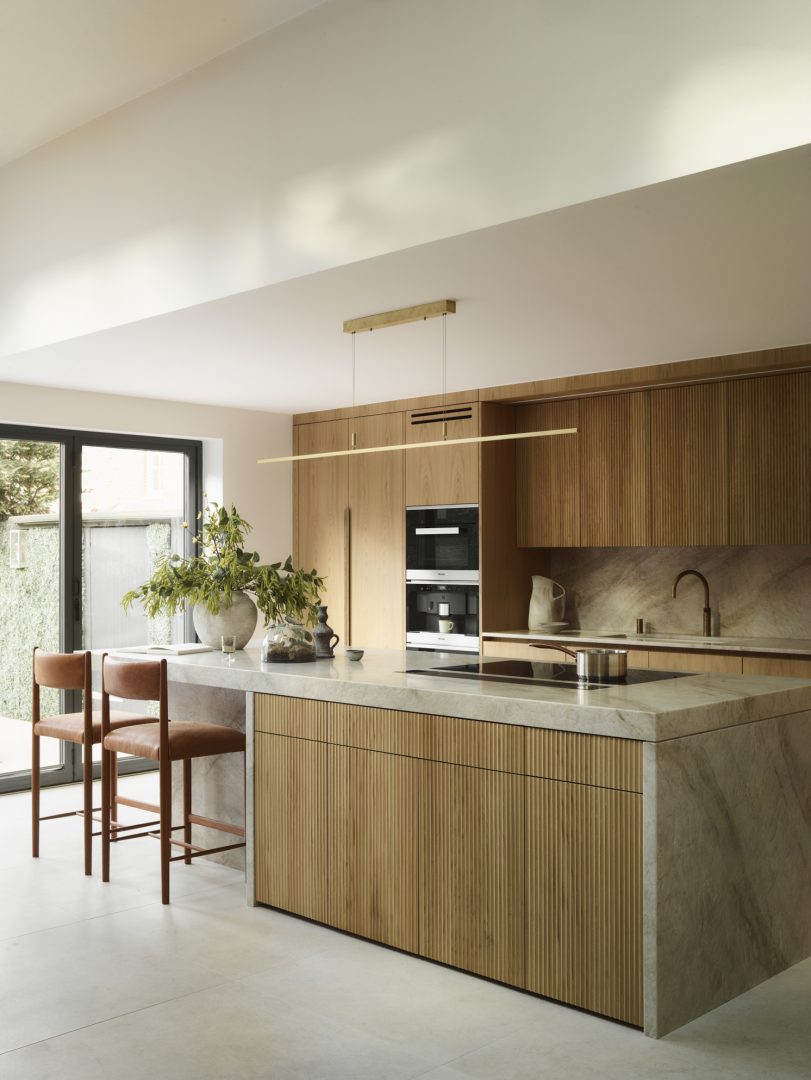
A richly grained walnut cabinet, softly veined natural stone worktop or brushed metal detail can establish an entire material palette without relying on a dominant painted colour. Combining these finishes thoughtfully creates a layered interior with its own distinctive character.
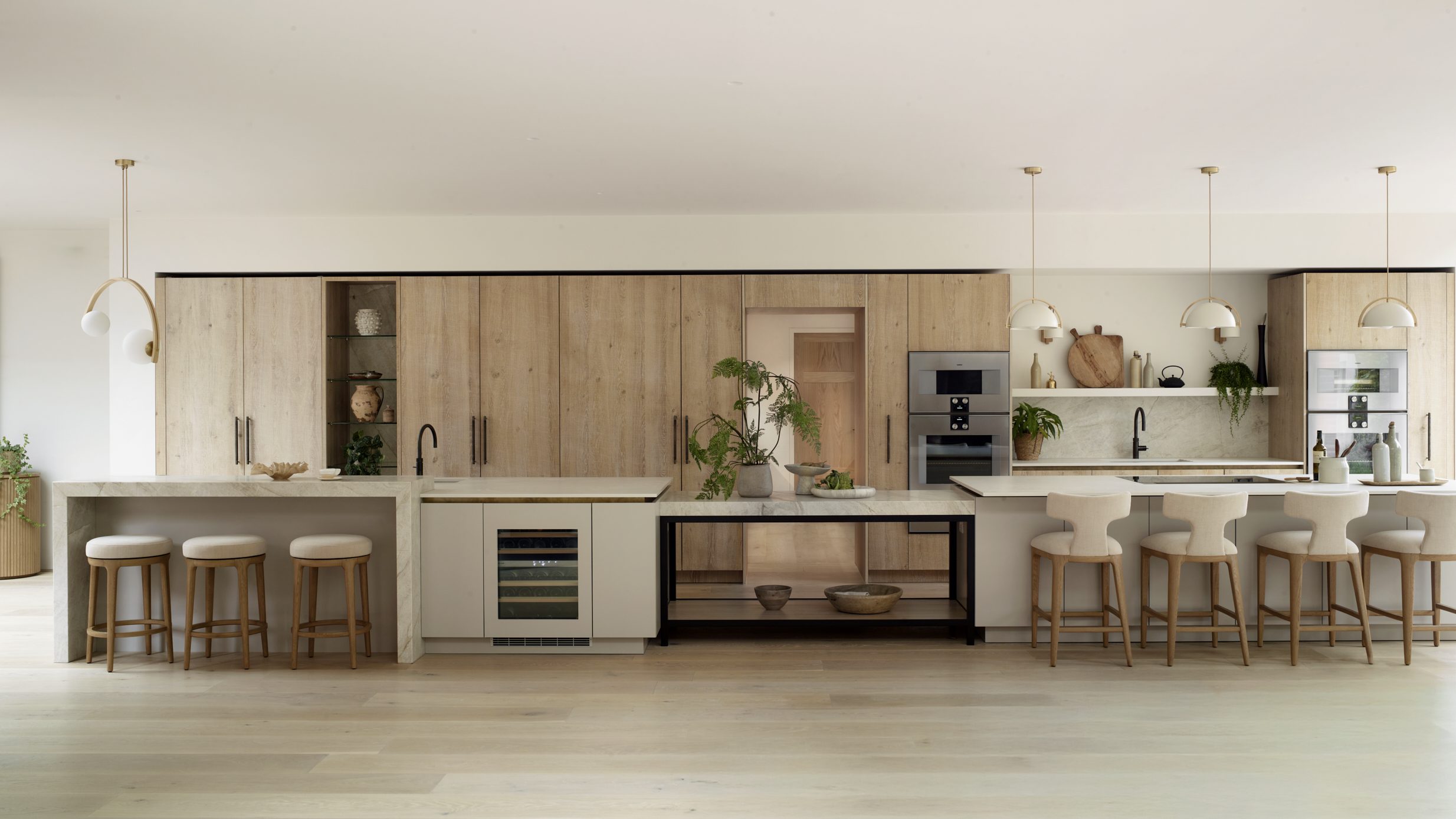
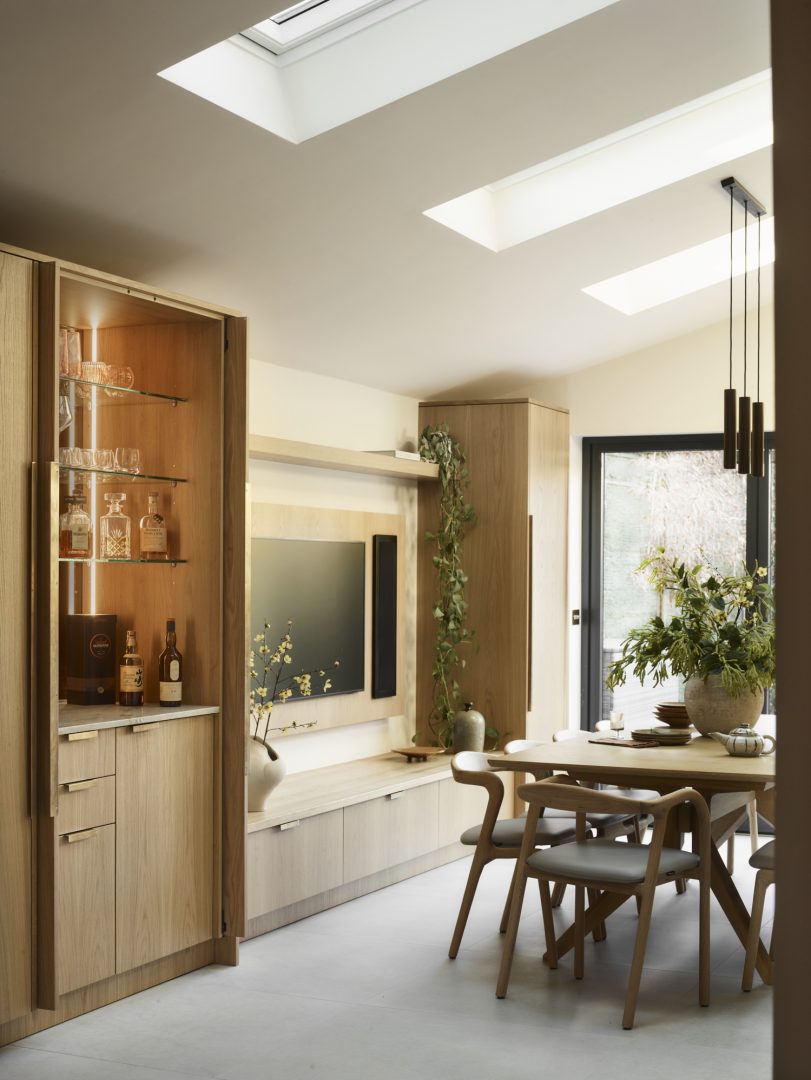
In our multi-award-winning Bulpitt kitchen, European white oak, fluted cabinetry and leathered Taj Mahal quartzite establish a beautifully restrained palette through their natural tones and textures. Rather than relying on applied colour, the warmth of timber and subtle variation of stone give the space its distinctive character.
There is also something compelling about allowing materials to express their natural qualities rather than making everything appear perfectly uniform. Variations in grain, tone and texture bring warmth and individuality, while materials that develop a patina can become even more characterful with use.
At Roundhouse, our bespoke Design Collection allows us to explore these relationships in detail. From carefully selected timbers and natural stone to specialist metallic finishes, each material is considered for its appearance, texture, character and relationship with the wider interior.
Rather than selecting finishes in isolation, we consider how they work together, how they respond to natural light and how they complement the architectural setting. The beauty of natural materials is that their character cannot simply be replicated through a colour trend.
3. Rediscover the confidence to design for yourself
With endless inspiration available at our fingertips, discovering new ideas has never been easier. But has that abundance of choice made it harder to trust our own instincts?
Tash Bradley of Lick discussed the challenge of colour paralysis: the uncertainty that can arise when faced with too many options and conflicting ideas about what works. Her advice was refreshingly simple. Before thinking about which colours are fashionable, which combinations are considered correct or what a particular room is supposed to look like, pay attention to the colours you are instinctively drawn to.
Social media has made interior design more accessible, opening up an extraordinary world of inspiration. Yet it can also encourage us to recreate the same aesthetic rather than explore what genuinely resonates. Burgundy, for example, has become a prominent colour in contemporary interiors. But how do you know whether you truly love a shade, or have simply become accustomed to seeing it everywhere?
One suggestion from the discussion was to introduce a colour gradually, perhaps through clothing or smaller objects, before making a more permanent commitment. Living with samples over several weeks, in different lighting conditions, can also reveal whether an initial attraction has lasting appeal.
For a significant investment such as a bespoke kitchen, this distinction matters.
At Roundhouse, bespoke does not mean selecting from a predetermined collection of looks. It means having the freedom to create a kitchen that responds to your individual style, your home and the way you live.
A client might be drawn to the warmth of natural timber, the drama of richly coloured cabinetry or the understated simplicity of a restrained material palette. Others may want to combine contrasting finishes, introduce an unexpected colour or commission a unique detail inspired by the architecture of their home.
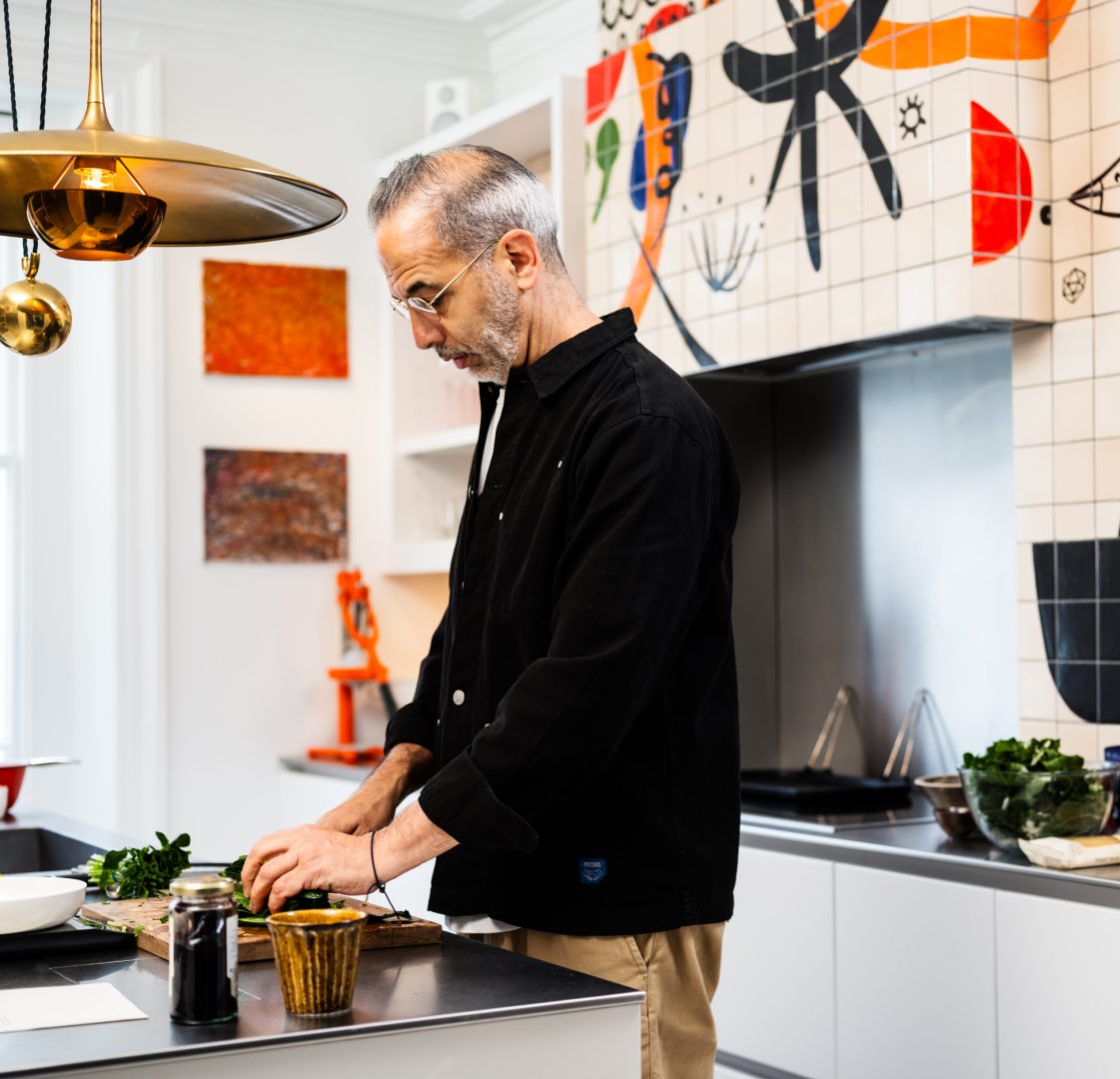
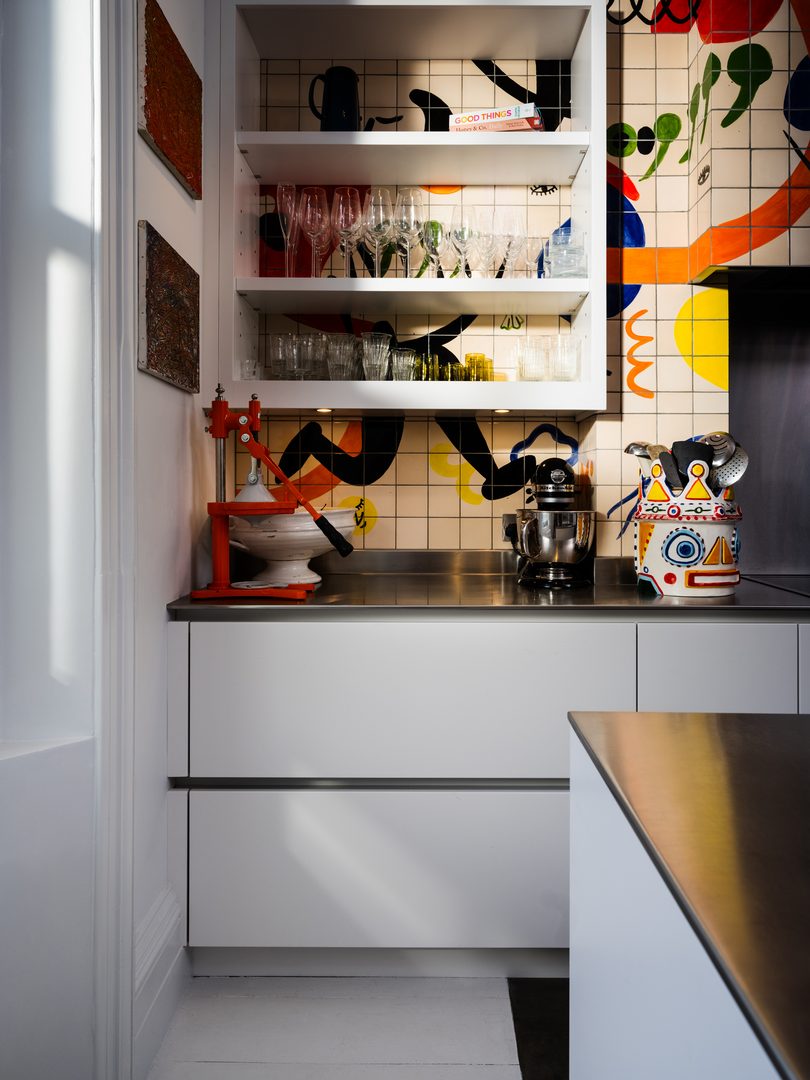
Yotam Ottolenghi’s Roundhouse kitchen is a beautiful example of this balance. Clean, timeless cabinetry provides a considered backdrop for vibrant, colourful tiles that bring personality and character to the space. Designed over 13 years ago, the kitchen demonstrates how individual design choices can remain just as relevant and expressive long after passing trends have faded.
The role of the designer is not to impose a particular aesthetic, but to interpret these preferences and develop them into a cohesive, considered design.
This is particularly important when creating a kitchen intended to be enjoyed for many years. Timeless design does not have to mean neutral, minimal or conventional. A bold colour or distinctive material can have lasting appeal when it has been chosen for personal reasons rather than simply because it is fashionable.
The goal is not to create a kitchen that looks like everyone else’s. It is to create one that feels unmistakably yours.
4. Design for wellbeing and the way you live
Our homes influence far more than our visual experience of a space. They form the backdrop to our daily routines, relationships and moments of rest.
Throughout the Decorex discussion, the relationship between interior design and wellbeing emerged as a recurring theme. Different rooms can support different emotional needs. A bedroom might be designed to encourage calm and relaxation, while a kitchen may need to feel uplifting, welcoming and conducive to creativity.
The panel also explored the idea of sensory zoning: creating environments with different levels of stimulation according to how they are used. For people whose working lives are dominated by screens and technology, a home with natural materials, restrained detailing and fewer visual distractions may offer a welcome contrast. Others may find comfort in rich colours, layered textures, art and treasured possessions.
There is no universal formula.
Colour psychology can provide useful insights into how we perceive our surroundings, but emotional responses are also deeply personal and shaped by memory, culture and individual experience. What matters is understanding how those colours make you feel, particularly when combined with materials, natural light and the wider design.
This relationship between design and daily life is something we consider carefully at Roundhouse.
A bespoke kitchen should support the way its owners want to live, whether that means creating a calm, uncluttered environment, an expressive space for entertaining or a welcoming centre to family life.
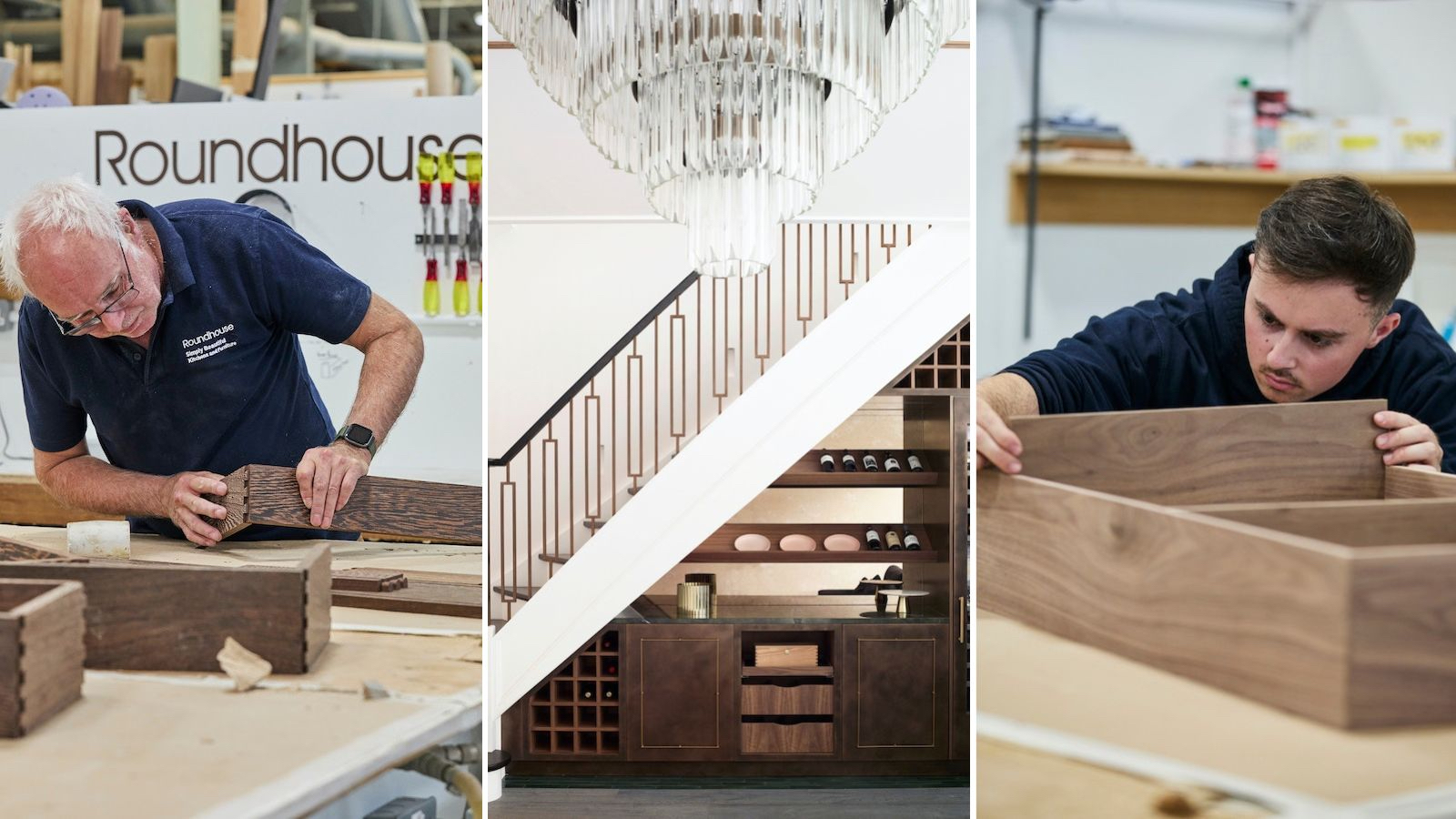
The experience of a kitchen is shaped by much more than its appearance. The tactile quality of a timber drawer, the softness of integrated lighting, the feel of a natural stone surface and the proportions of the room all contribute to its atmosphere.
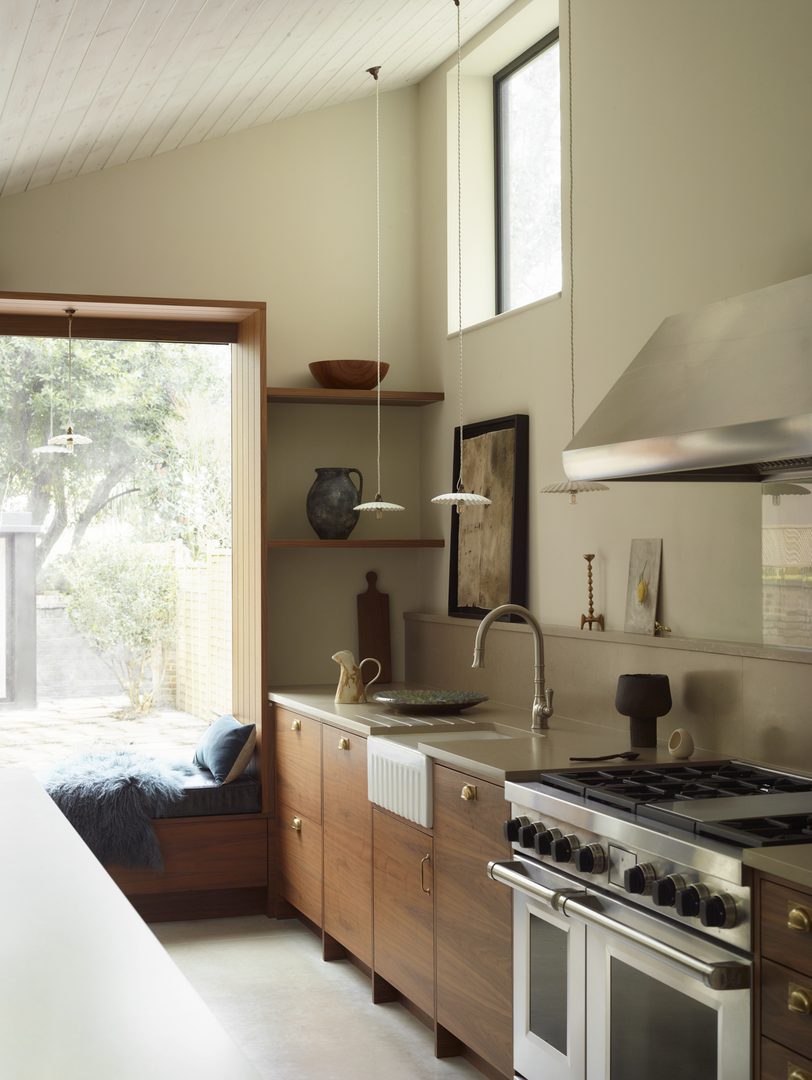
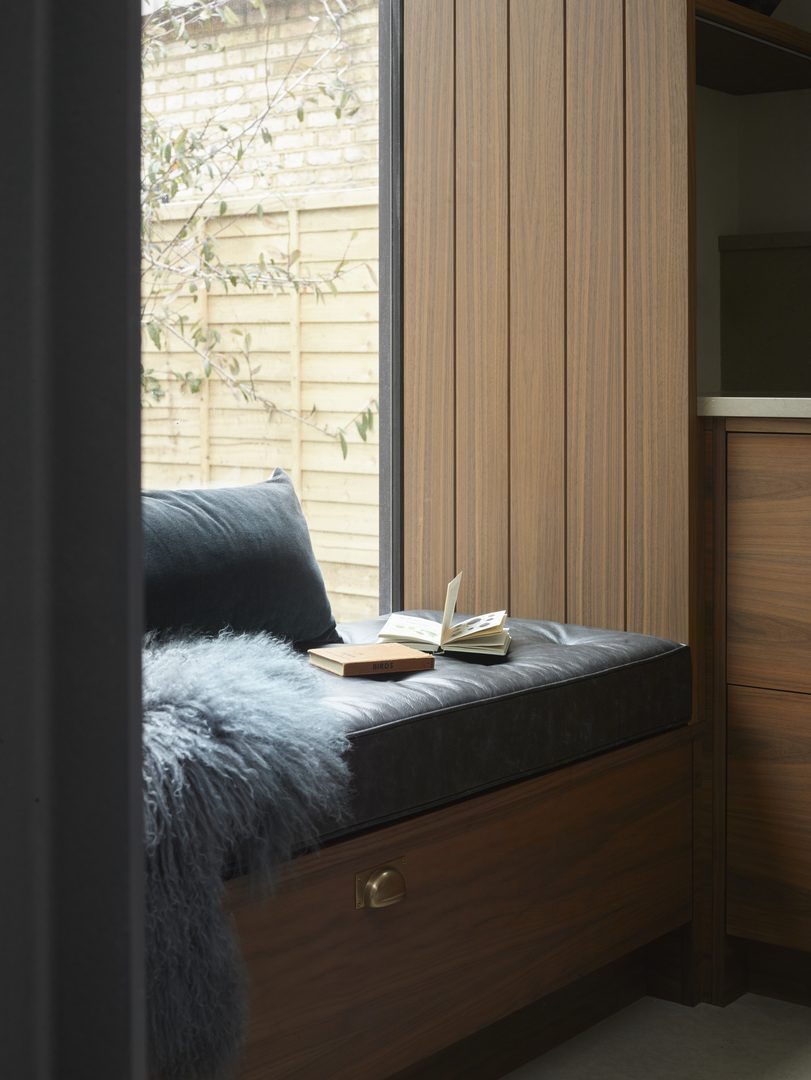
Our award-winning Moony project demonstrates how bespoke design can create quieter moments within a busy kitchen. A walnut-clad window seat, complete with integrated storage, provides an inviting place to sit and unwind, while its warm timber and carefully considered detailing connect it naturally to the surrounding cabinetry.
Practical considerations are equally important. Thoughtful storage, intuitive layouts and carefully positioned appliances can make everyday tasks feel easier, while considered lighting allows the kitchen to adapt from morning through to evening.
By designing around the individual, rather than a standard layout or aesthetic, we can create spaces that feel as good to live in as they look.
5. Let personality, architecture and everyday life shape the design
Perhaps the most compelling idea from the discussion was the shift away from the pursuit of a perfectly styled home. A truly personal interior should reflect the people who live there, including their interests, collections, routines and the little details that make a house feel lived in.
The panel shared an example of clients who were passionate readers, with thousands of books. Rather than treating their collection as something to accommodate after the design was complete, bespoke joinery became central to creating a home around the way they lived.
It is an approach that celebrates individuality rather than attempting to conceal it.
The same applies to a kitchen. A collection of cookbooks, favourite ceramics, artwork, family photographs or objects gathered through travel can become part of the design story. Thoughtfully planned open shelving, bespoke display cabinetry and integrated storage allow these personal details to sit comfortably alongside the practical requirements of the space.
But designing for personality also means understanding the architecture.
Charles Gillespie spoke about the importance of responding to a property’s history, landscape and surroundings. Rather than reproducing a period style or imposing an unrelated aesthetic, a contextual approach considers what already exists and how new interventions can complement it.
A restrained palette of natural materials might respond beautifully to a rural setting, while a contemporary city home could invite a different relationship between colour, light and architectural form.
This closely reflects Roundhouse’s architectural approach to kitchen design. Founded by architects, we believe a bespoke kitchen should be conceived as part of the wider home, not as an isolated room or collection of cabinetry.
The building’s proportions, character, natural light and relationship with adjoining spaces provide the starting point. From there, the design develops around the individual preferences and requirements of the client.
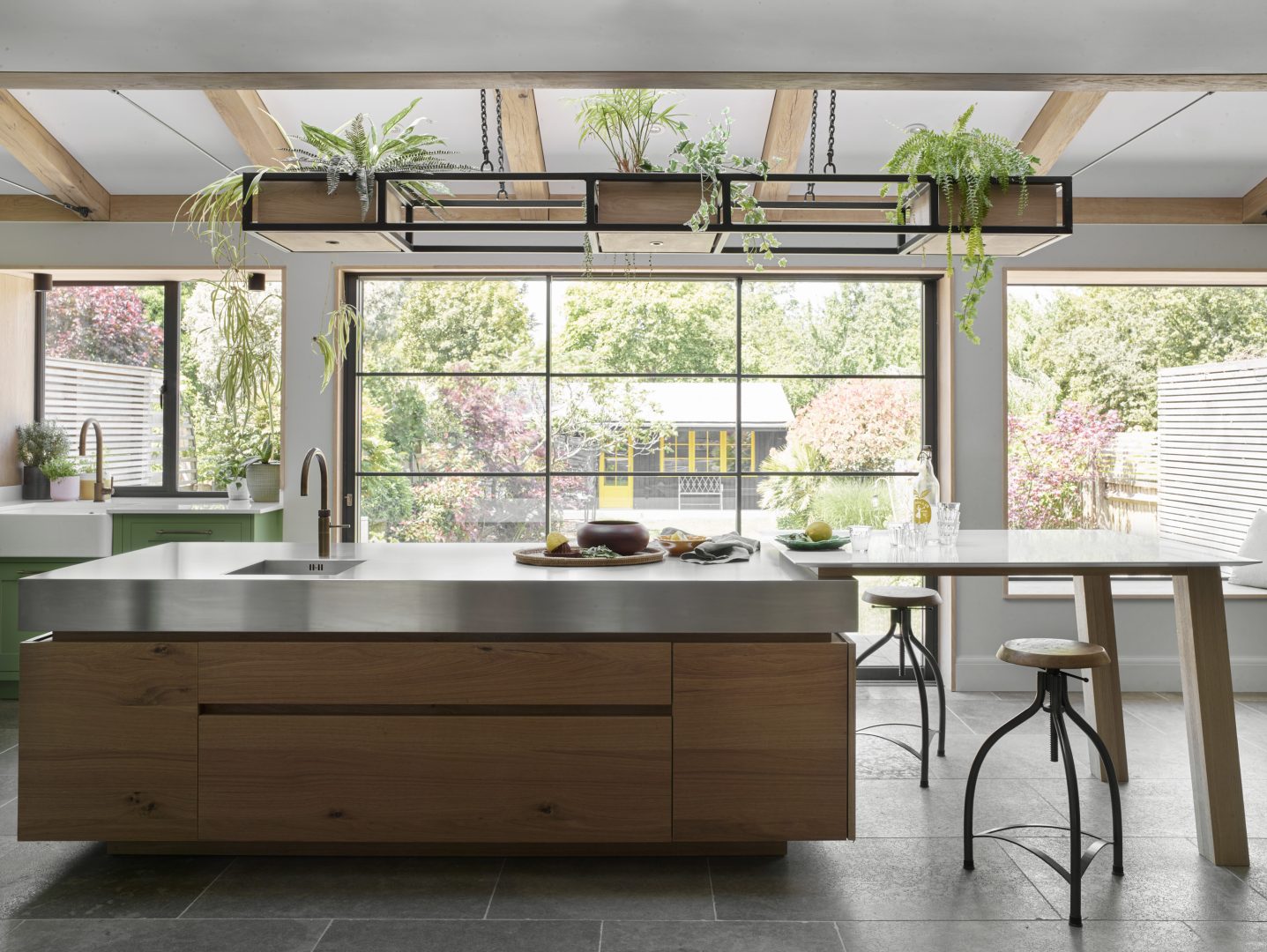
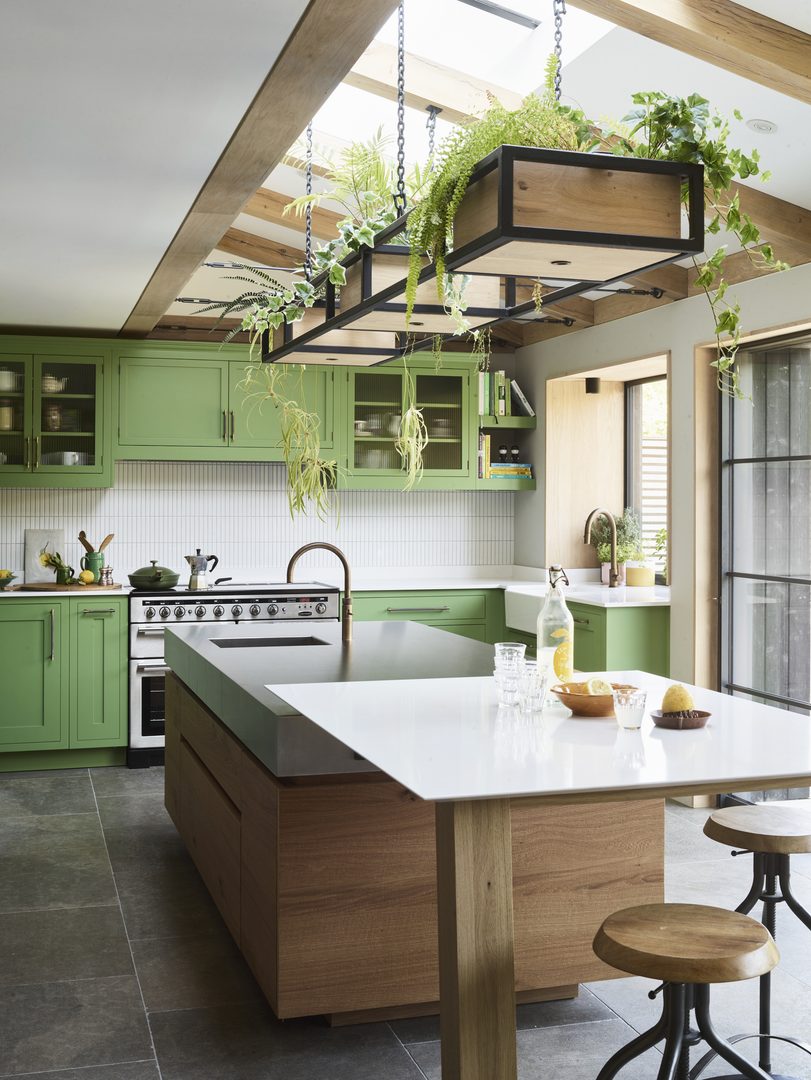
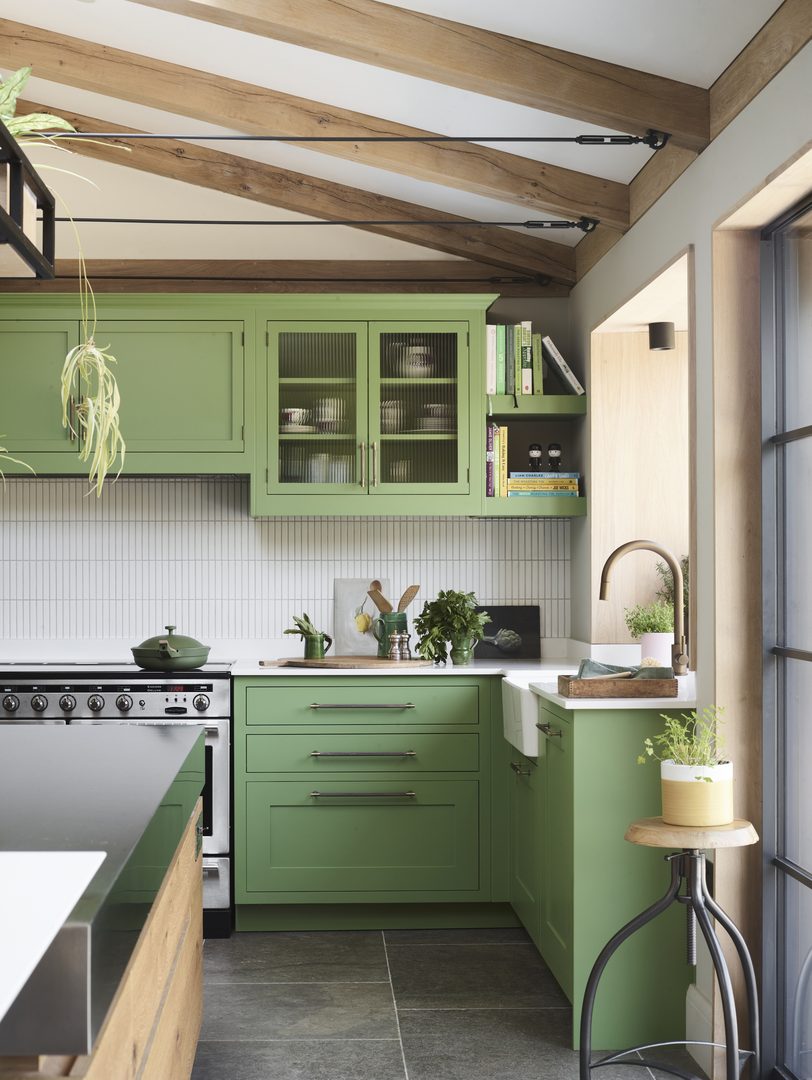
Our Oliver kitchen illustrates how colour and material choices can respond to both architecture and atmosphere. Botanical green cabinetry connects with the surrounding greenery, while rough-sawn oak and stainless steel echo the building’s existing features, creating a space that feels uplifting, welcoming and entirely at home within its setting.
This might mean carrying a particular timber or metal finish through adjoining rooms, designing cabinetry around an original architectural feature or creating bespoke joinery that complements the proportions of a period property. Equally, a contemporary extension may call for an entirely different approach, with cabinetry designed to sit naturally within its architectural framework.
Every home has its own character, just as every client has their own way of living. Bespoke design brings the two together.
Beyond Decorex 2026: Designing a home that lasts beyond trends
The discussion also offered an interesting perspective on the future of colour.
Tash Bradley touched on Lick‘s forthcoming 2027 colour edit, exploring how colours work together rather than in isolation. A single shade can feel entirely different depending on what surrounds it, and the same palette can be interpreted in contrasting ways by different people. It reinforces an important principle: successful colour schemes are not simply about selecting individual colours, but understanding the relationships between them.
Yet our biggest takeaway from Decorex 2026 was not a particular shade, palette or emerging interior design trend. It was the encouragement to trust personal instinct.
A home is a long-term investment, both financially and emotionally. The colours and materials we choose should continue to feel meaningful long after the excitement of a new trend has passed. This is why the conversation felt so closely aligned with the Roundhouse philosophy. For us, true bespoke design begins with two things: the architecture of the home and the individuality of the people who live there.
It is about creating something that feels considered in its setting, personal in its details and entirely suited to the way its owners want to live. A kitchen should not simply reflect a particular moment in design. It should feel relevant, comfortable and characterful for years to come. At Roundhouse, we believe the most beautiful kitchens are those that feel completely at home, both within their architecture and in the lives of the people who use them.
Discover the possibilities of bespoke kitchen design and visit your nearest Roundhouse showroom to explore the colours, materials and details that feel right for you. For more inspiration, download your brochure and discover a collection of bespoke kitchens, thoughtfully designed to reflect the individuality of each home and the people who live there.
FREQUENTLY ASKED QUESTIONS:
Colour psychology and bespoke interior design
Colour psychology explores how different colours can influence mood, perception and the atmosphere of a space. While greens and blues are often associated with nature and tranquillity, warmer tones can evoke comfort, energy and creativity. However, colour is deeply personal. The most successful interior design considers individual experiences, natural light, materials and how you want each room to feel.
Timeless interior design begins with understanding your personal style, the architecture of your home and how you live. Rather than following the latest colour trends, choose materials, finishes and details that genuinely resonate with you. Natural materials, considered proportions and bespoke elements can create a home that feels individual and remains meaningful for years to come.
Natural materials such as timber, marble and stone introduce colour through their inherent tones, grain and texture. Unlike a flat painted surface, these materials respond to changing light and can develop character over time. Incorporating natural materials into architectural and kitchen design creates depth, warmth and a stronger connection between the interior and its surroundings.
Thoughtful interior design can support wellbeing by creating spaces that respond to different emotional and practical needs. Colour, natural light, texture, lighting and layout all contribute to how a room feels. A calming bedroom, welcoming living space or uplifting kitchen can encourage relaxation, creativity and connection, depending on the individual and their lifestyle.
Bespoke kitchen design allows every element to be tailored to the individual, from cabinetry and materials to layout, storage and architectural detailing. At Roundhouse, we begin by understanding the character of the property and the people who live there. This ensures each kitchen responds to its architectural setting while reflecting the client’s personal style, preferences and everyday routines.