Early engagement – the starting point for successful developments
Fortune favours the prepared, and nowhere is that truer than in large-scale developments, where coordinating multiple plots is complex, fast-paced and brutally intolerant to error. The kitchen sits at the point where architecture, services, appliances, finishes, budgets and programme pressures all come together. Leave key decisions too late, and issues that could have been solved on paper can quickly become costly challenges on site.
Early engagement changes that dynamic. Instead of working around fixed layouts, frozen specifications or procurement constraints, it gives you the opportunity to make informed choices while there is still room to influence outcomes. The aim is less rework, fewer delays and a smoother, more controlled delivery – ultimately eliminating the ‘chaos cost’ of reacting rather than planning ahead.
At Roundhouse, early engagement is the first step in a process we’ve refined over 30 years to support complex residential developments. Here’s how that early thinking can translate into better outcomes at every stage of your next project.
Why the most successful projects start early
The strongest schemes aren’t the ones that move fastest out of the gate, but the ones that make the right decisions early enough to avoid disruption later. For developers, that means bringing specialist expertise into the conversation during feasibility and concept stages, before avoidable issues are built into the scheme.
With an architect-led heritage and a deep understanding of both design and construction, Roundhouse brings a joined-up perspective from the outset. Our in-house project management and installation teams ensure that early judgements are grounded in delivery reality, not just design intent.
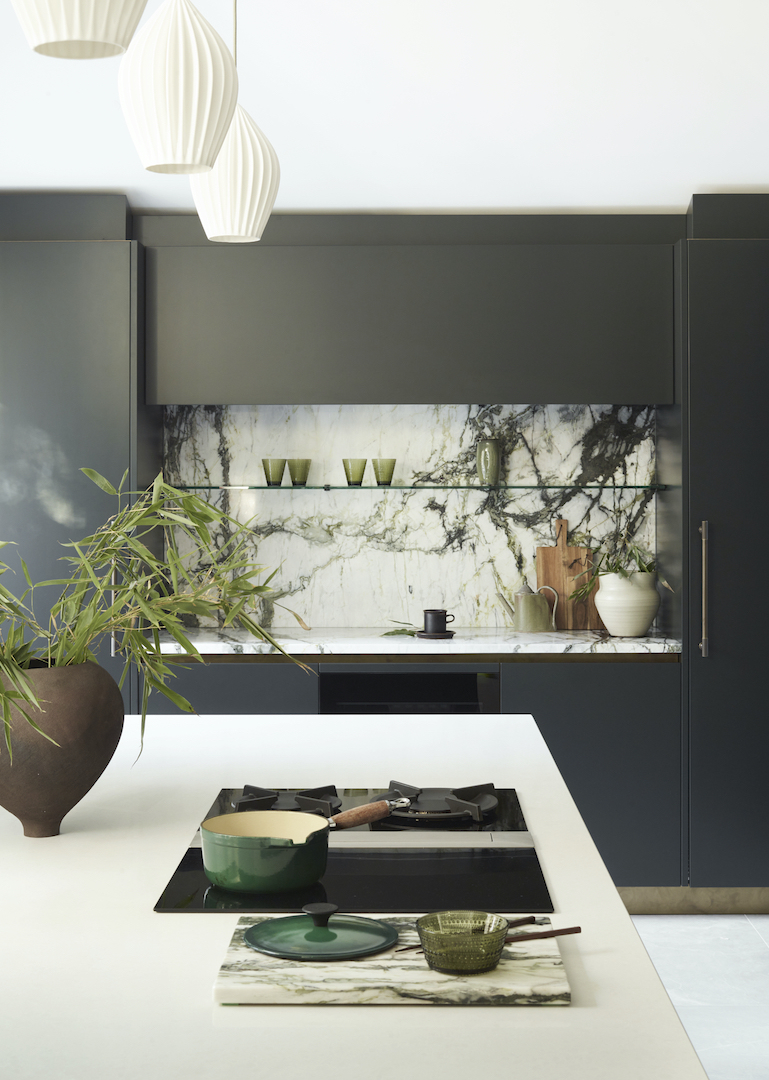
At this early stage, our input helps align joinery strategies with your unit mix, target values and project budgets, while advising on layouts, materials and appliance specifications when the brief is still flexible. That might mean refining an appliance spec to better suit the budget. Or introducing a feature moment – such as a statement marble used in low volume but a high-impact location – ensuring design intent and commercial priorities work in balance from the start.
Reducing the cost of late-stage change
RIBA’s recent Future Trends research highlights late-stage design changes and procurement risk as two of the biggest cost drivers on residential schemes. Early engagement tackles both by allowing buildability, phasing and technical constraints to inform decisions before the design is fixed.
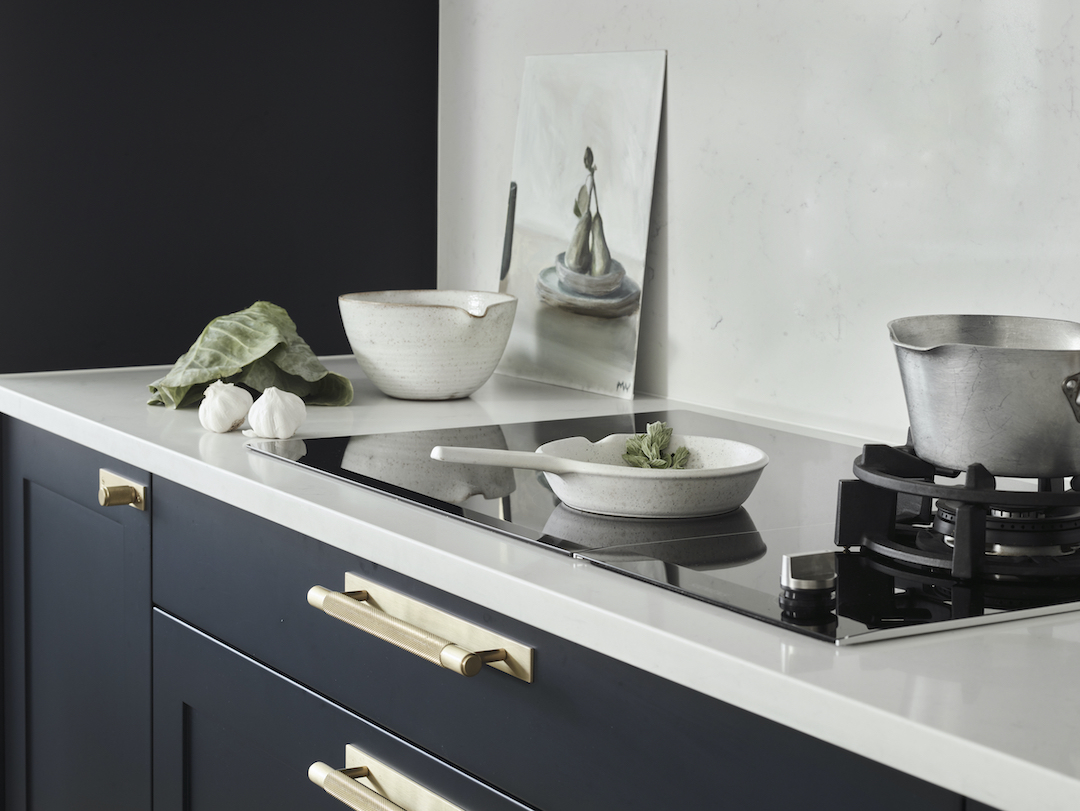
For developers, architects and interior designers, that means fewer disruptive changes once the programme is underway. A small late-stage adjustment to a kitchen can quickly ripple into services, stone and worktop templates, appliance specification, hardware, other cabinetry and installation workflow. Early input helps contain that risk, reducing rework and protecting programme certainty.
At Roundhouse, layouts are reviewed alongside programme and budget considerations from the outset, ensuring design intent is grounded in how the scheme will be delivered. Potential pressure points are identified early, before they escalate into site issues, allowing projects to move forward with greater stability and fewer reactive changes.
Improving procurement confidence
Procurement risk is often driven by uncertainty – unclear scope, unresolved coordination points or assumptions that don’t hold up under scrutiny. Early engagement helps remove those unknowns before they impact delivery.
By engaging earlier, teams can double-check allowances, test specifications against availability constraints and define requirements with greater precision while flexibility still exists. This results in more accurate budgeting, clearer procurement routes and a stronger foundation for value engineering – not as a late-stage compromise, but as a considered, strategic process.
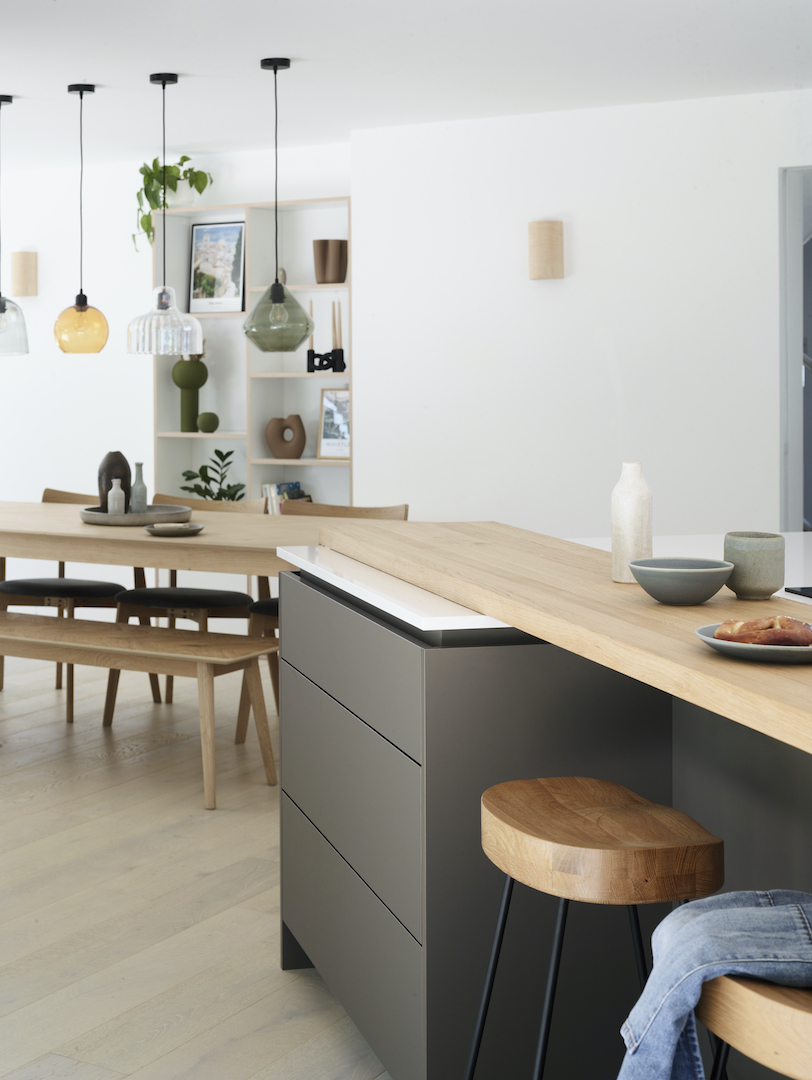
A key part of this is aligning specification to both the scheme and its target market from the outset. Roundhouse’s three collections – Partner, Studio and Design – are structured to support this, enabling developers to match design ambition with cost parameters and delivery requirements.
The Partner Collection, for example, has been developed specifically for multi-unit residential schemes, combining strong design thinking with efficiency, consistency and controlled margins, supported by trusted European manufacturing. Studio introduces greater material choice and flexibility, offering a balanced approach for higher-specification developments. Meanwhile, at the top end, our Design Collection delivers fully bespoke solutions, with the level of craftsmanship and refinement expected in ultra-prime residential projects.
By establishing the right collection early, procurement becomes more predictable, specifications more robust and value engineering a tool for enhancing the scheme, rather than diluting it.
Supporting smoother technical coordination
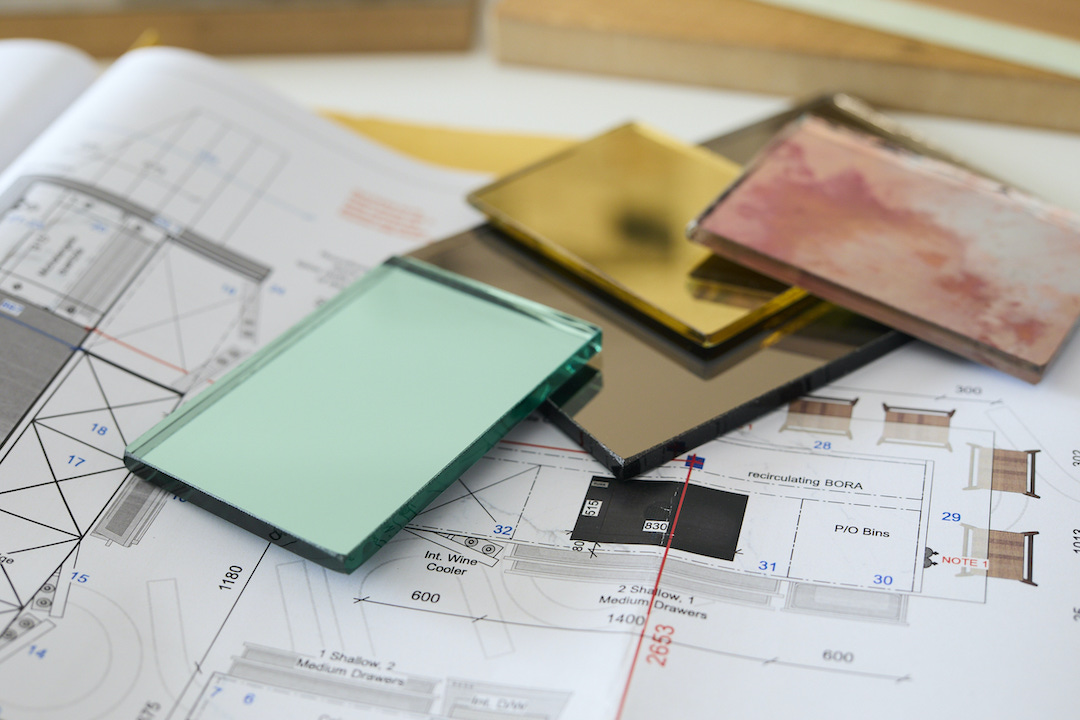
In contract kitchens, real value is unlocked through coordination. Cabinetry needs to integrate seamlessly with structure, MEP, appliances, flooring, worktops and installation planning, and the earlier this is locked down, the smoother delivery becomes.
Roundhouse brings specialist knowledge developed over three decades of bespoke kitchen design, with a deep understanding of how these elements interact in practice. From navigating service voids and tolerance allowances to aligning cabinetry with stone templates, appliance ventilation and structural constraints, our team works through the details that often cause friction on site if left too late.
We support this through early layout reviews, specification guidance and collaborative discussions with your wider consultant and contractor teams. This includes coordinating service positions with MEP drawings, advising on build-ups for flooring and finished floor levels, and ensuring appliance and joinery interfaces are fully considered before installation begins.
We also host showroom workshops to provide a focused environment for material review, sample sign-off and informed decision-making, helping you streamline approvals and maintain momentum.
If you’re at the early stages of a scheme, there’s no time to waste – get in touch with our professional projects team today.
Frequently Asked Questions – Why early engagement matters
What is early engagement in kitchen design for residential developments?
Early engagement refers to involving a specialist kitchen design partner at the feasibility or concept stage of a project. For contract kitchens, this means aligning layouts, specifications and budgets before designs are fixed, reducing risk and improving overall project outcomes.
Why is early engagement important for contract kitchens?
Early engagement helps identify potential design, technical and procurement challenges before they become costly issues on site. It reduces late-stage changes, improves coordination and ensures contract kitchens are deliverable within programme and budget constraints.
How does early engagement reduce costs in luxury kitchens?
By addressing buildability, sequencing and specification decisions early, projects avoid expensive redesign and rework. It also enables more accurate budgeting and smarter value engineering, helping luxury kitchens achieve both design intent and commercial viability.
What is the best spice rack for a modern kitchen design?
A well-designed spice rack depends on your preferences. Drawer-based spice storage with angled inserts offers excellent visibility and a clean, streamlined look, while a spice rack cabinet or shelf near the hob keeps essentials within easy reach. The key is ensuring jars are clearly visible, securely stored and easy to access.
What role does a kitchen supplier play during early engagement?
A specialist supplier contributes technical expertise, layout planning, material guidance and appliance specification support. For designer kitchens in contract settings, this ensures the design is both aspirational and practical, with full consideration of services, installation and long-term performance.
How does early engagement improve project delivery?
It streamlines decision-making, reduces ambiguity and supports better coordination across all trades. For contract kitchens, this leads to smoother installation, fewer delays and greater cost certainty, ultimately improving the quality and consistency of the finished scheme.