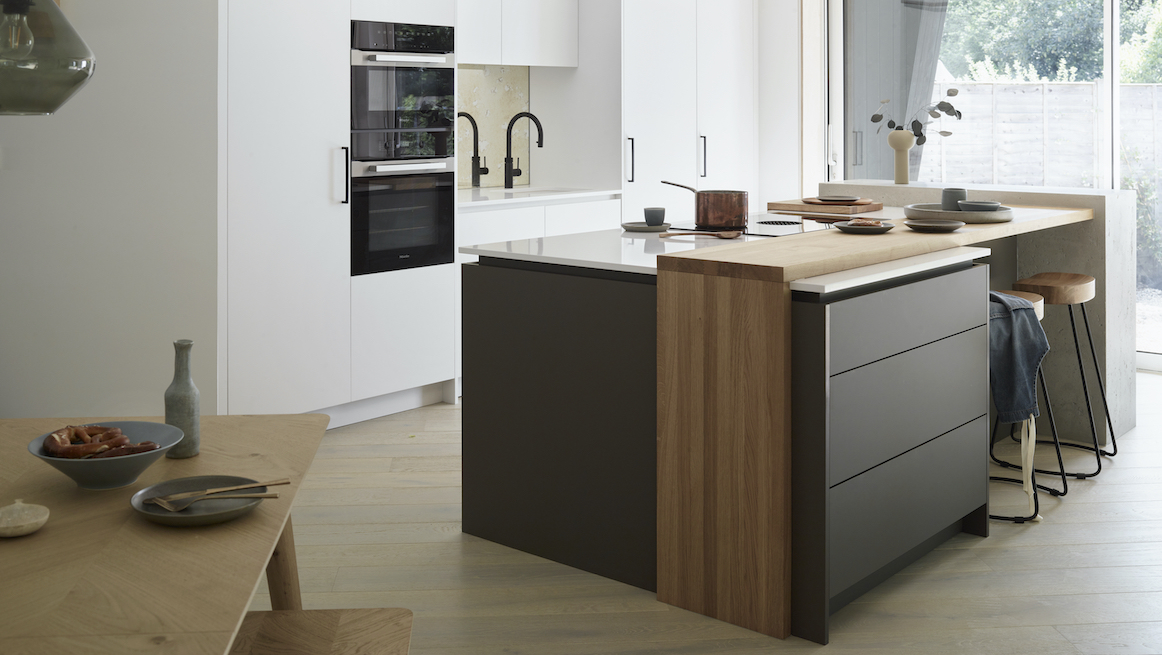
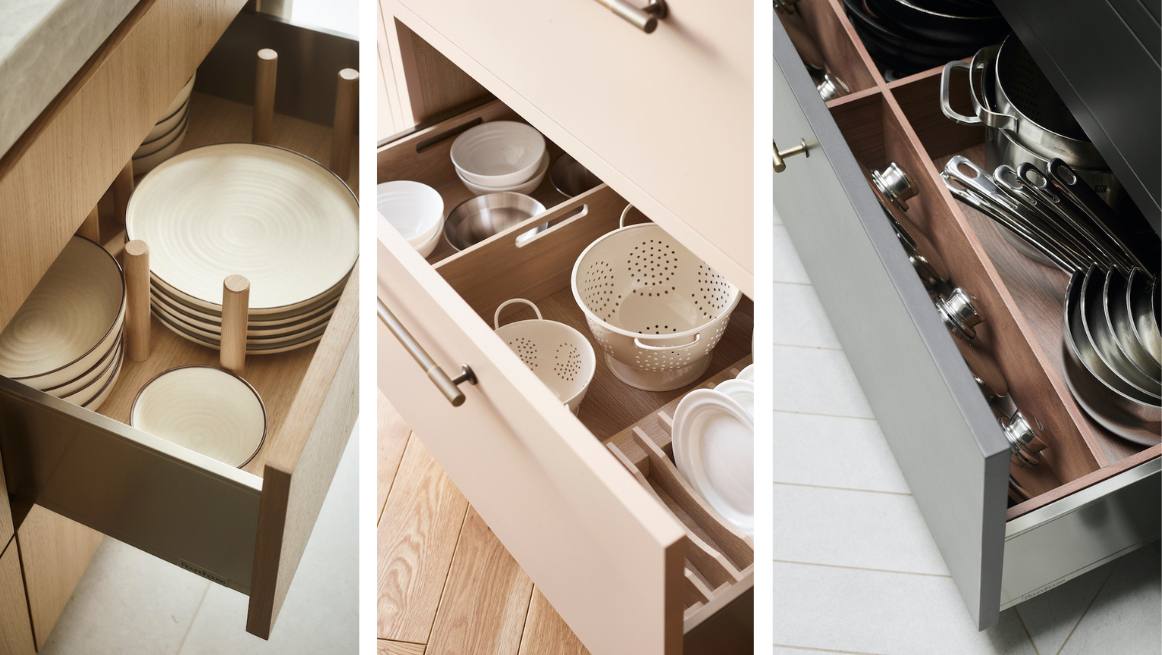
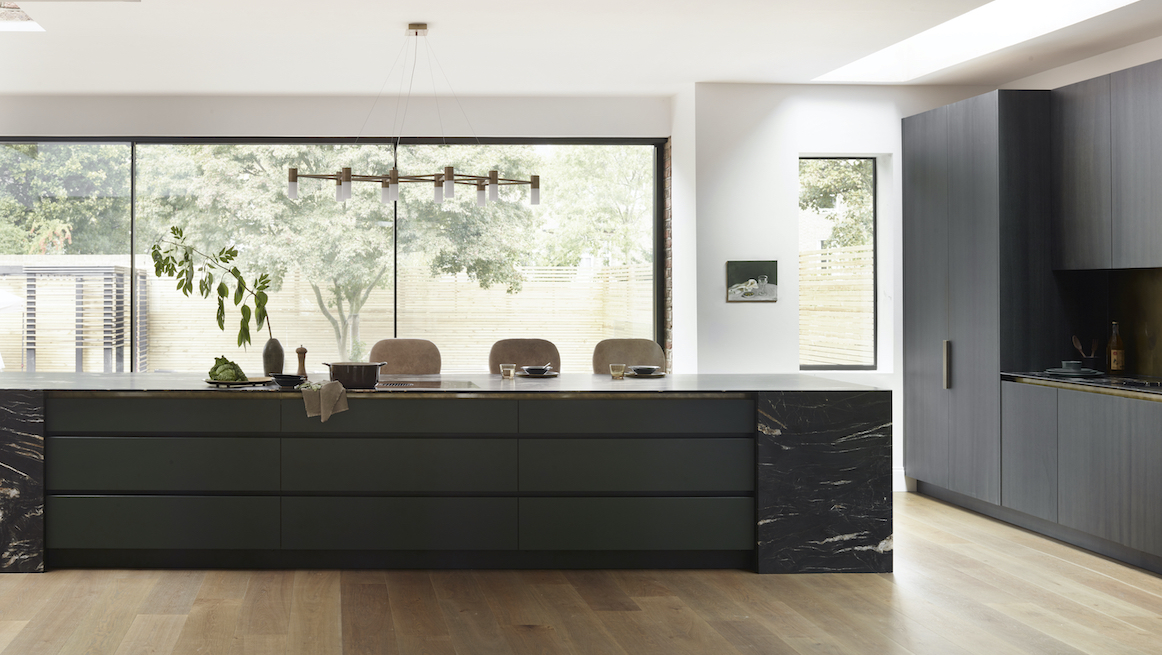
Why technical coordination is the silent luxury in super-prime kitchens
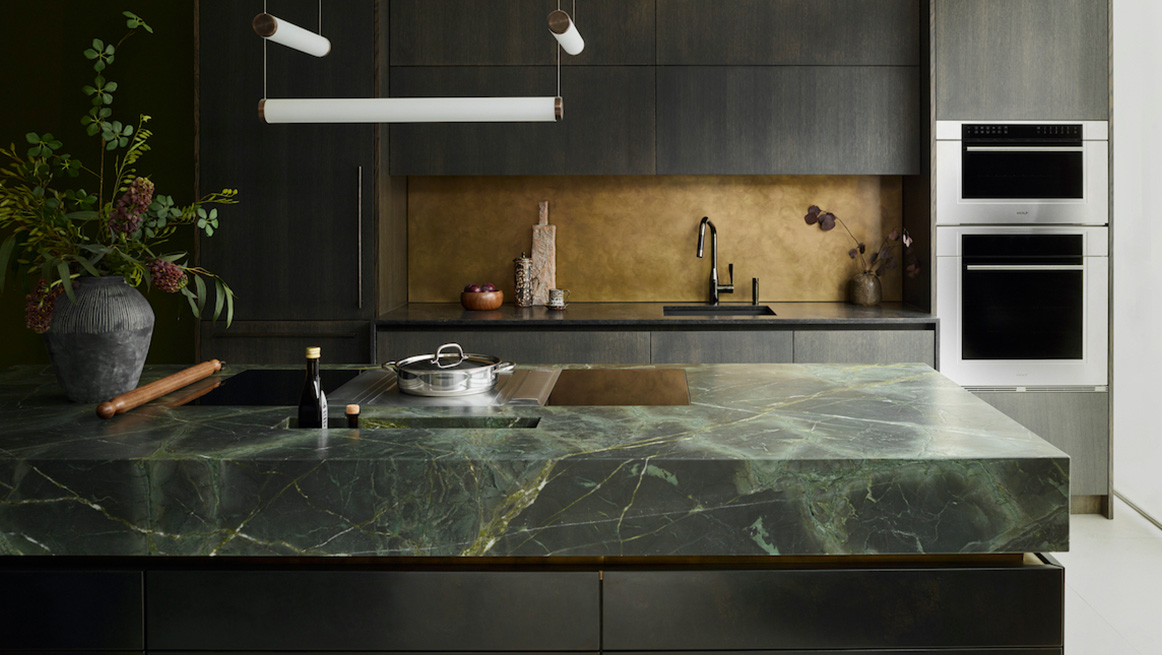
In blue-chip residential projects, luxury kitchens are often discussed in terms of materials, brands and finishes. The marble is rare, the appliances are state-of-the-art, and the bespoke kitchen design is sleek and refined. But the spaces that truly succeed – the ones that perform flawlessly long after handover – share something far less visible.
From concept to sign-off, they are rigorously coordinated to exceptional standards. Technical coordination rarely makes the moodboard. Yet it is the element that protects design intent, prevents costly compromises on site and ensures that a high-spec kitchen lives up to expectations. At Roundhouse, meticulous coordination sits at the centre of our most demanding residential projects, safeguarding outcomes for architects, designers, contractors and developers alike.

Why technical coordination is so important
In complex residential schemes, problems rarely stem from poor design. More often, they emerge in the gaps between disciplines: when drawings don’t quite align, when tolerances aren’t fully resolved, or when plumbing and electrical requirements are addressed too late. A service pipe that lands 20mm out, an RSJ that wasn’t captured in the site plans, a finished floor level that’s not quite true.
These are small issues in isolation, but in a super-prime kitchen – where cabinetry runs floor to ceiling and finishes are premium – they can undermine the entire space. Once a project reaches site, these issues can wreak havoc. Decisions are made under pressure, compromises creep in, and the result is a kitchen that technically works, but never quite deliver the luxury levels demanded at the very top of the property market.
The role of disciplined coordination
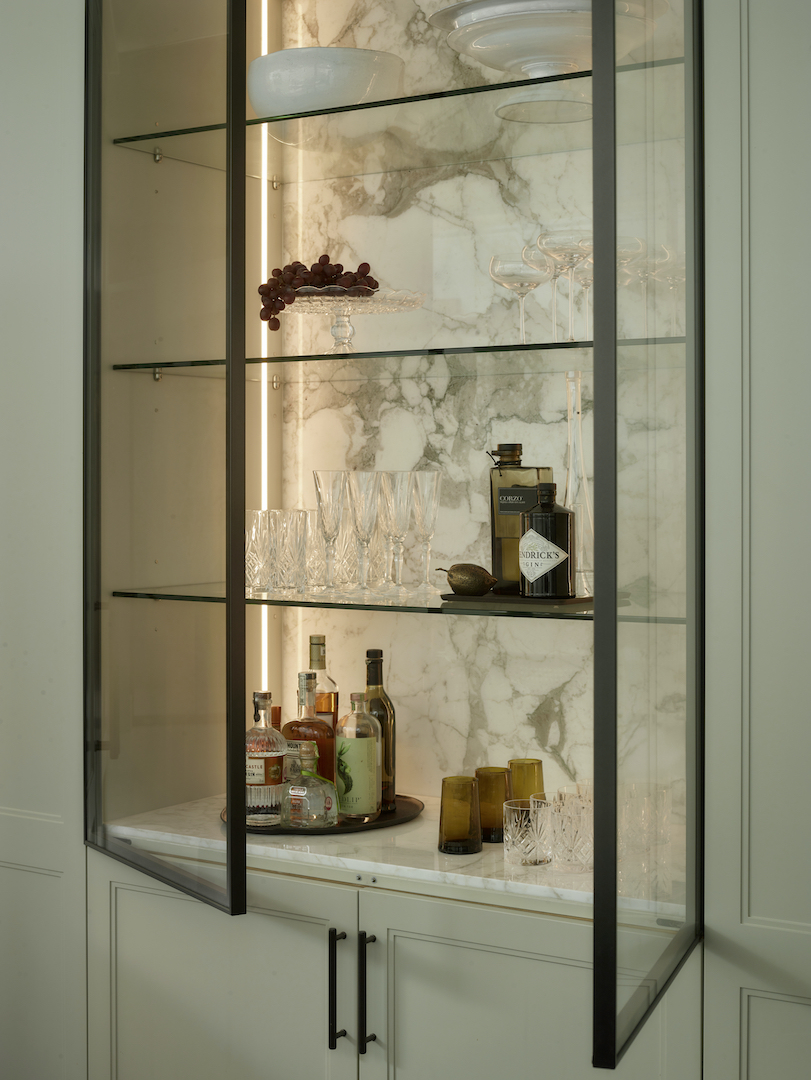
Meticulous technical coordination changes that dynamic entirely. Detailed drawings, early alignment with M&E consultants, careful tolerance control and rigorous site surveys by our in-house team allow potential conflicts to be resolved before manufacture begins – not during installation. This approach demands time, structure and experience. It requires systems that are well established, not improvised. And it relies on a process that treats coordination as central to quality, rather than an administrative afterthought.
At Roundhouse, our working processes have been developed and refined over more than 30 years of delivering complex residential projects and are overseen by experienced project managers. Manufacture in our Malvern factory only begins once designs are fully resolved, services are coordinated, and responsibilities are clearly defined and agreed. A test-run install of any complex cabinetry in the factory means we know it will come together on-site with ease. Our goal is to create kitchens that arrive on site ready to install, without questions, clashes or last-minute adjustments.
Protecting everyone’s interests
The value of this approach is felt differently across the professional team, but its impact is universal.
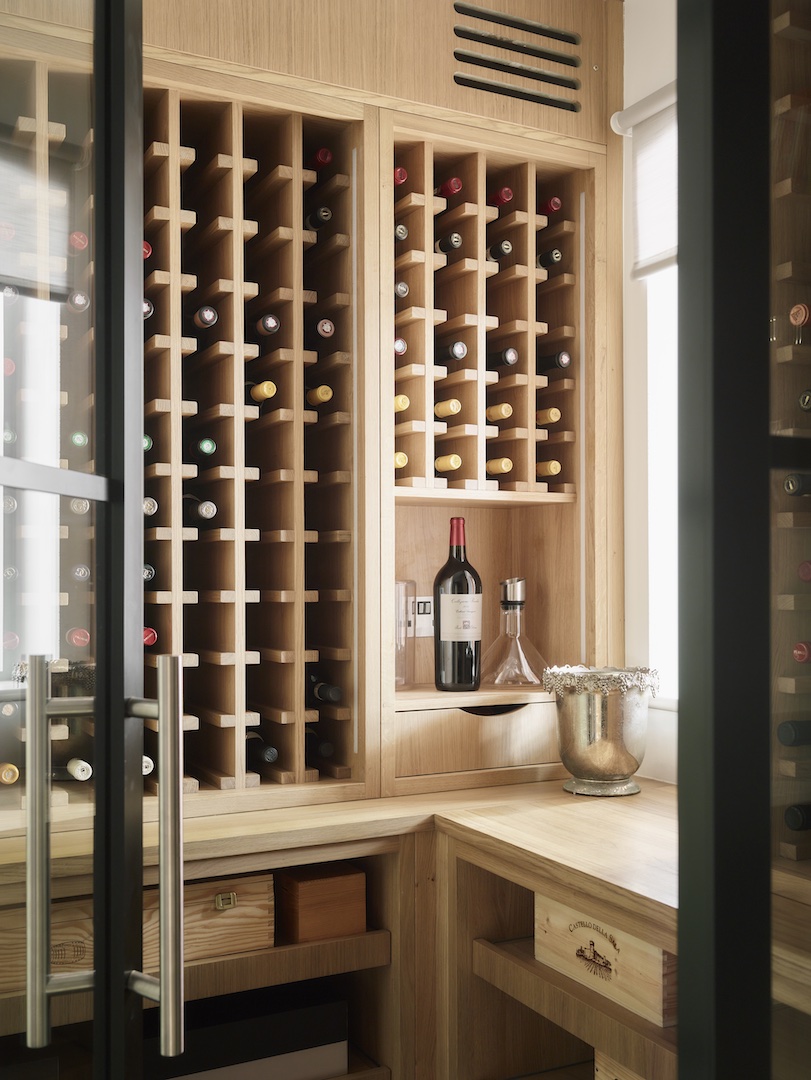
- For architects, technical coordination safeguards the original architectural vision. Proportions are maintained, alignments are respected, and design intent isn’t diluted by on-site fixes that were never part of the concept.
- For interior designers, it removes friction. When detailed joinery drawings are robust and responsive, creativity can take centre stage without being derailed by technical uncertainty or repeated RFIs.
- For contractors, it reduces risk. Clear, coordinated information means fewer surprises, better programme certainty and a smoother interface between trades – particularly critical on tightly sequenced, high-value sites.
- For developers, it guarantees a finished product worthy of super-prime buyers. Kitchens install cleanly, snagging is minimised, and the end result supports both valuation and brand reputation.

Why it matters more than ever
As luxury kitchens become more architectural, more integrated and more bespoke, the margin for error shrinks. Full-height cabinetry, complex appliance stacks, concealed services and seamless finishes leave little room for adjustment once units are made. In this context, technical coordination becomes a form of luxury in its own right. It is what allows a space to feel calm and elegant, rather than impressive but compromised.
The most successful kitchens don’t announce the work that went into them, but potential buyers can always tell. Doors align, gaps are consistent, and appliances sit perfectly within the cabinetry. If you’re planning a demanding project and want to discuss early coordination with the best kitchen designers in the business, get in touch with our Professional Sales Team.
Frequently Asked Questions – Coordinating Projects
Why is technical coordination essential in luxury kitchens?
Luxury kitchens rely on flawless integration between cabinetry, appliances, worktops and services. Technical coordination ensures every element aligns precisely, protecting design intent and delivering the level of finish expected in super-prime homes.
What problems can poor coordination cause in bespoke kitchen design?
Poor coordination can lead to issues such as misaligned cabinetry, incorrect service placement and last-minute compromises on site. These problems often emerge too late to resolve cleanly, undermining both performance and visual quality.
How does disciplined coordination improve the final kitchen outcome?
Disciplined coordination resolves tolerances, services and spatial conflicts early through detailed drawings, surveys and reviews. This structured approach ensures bespoke kitchen design is manufactured and installed with confidence, accuracy and consistency.
Who benefits from strong technical coordination on kitchen projects?
Architects, interior designers, contractors and developers all benefit from clear, coordinated information. It reduces risk, improves programme certainty and ensures luxury kitchens are delivered without unnecessary delays or on-site adjustments.
Why is technical coordination considered a ‘silent luxury’?
When technical coordination is done well, it goes unnoticed because everything works exactly as it should. The result is a calm, elegant kitchen where appliances sit perfectly, cabinetry aligns seamlessly and the overall experience feels effortless.