Kitchen trends 2026: the materials, colours and details to watch
A new year is the perfect moment to look ahead, and we’re excited to see that kitchen trends 2026 are already taking shape. As ever, they’re led by shifts in fashion, furniture and global colour reports and these are the trends reflecting how we want our homes to feel next. From Pantone’s Colour of the Year to softer materials and textures, the signals are clear – kitchens in 2026 will feel warmer, calmer and more tactile. For bespoke kitchen design at Roundhouse, this direction feels like a natural fit: craftsmanship-led, material-focused and colour confident. These are the key looks we’re anticipating for the year ahead.
White, but warmer
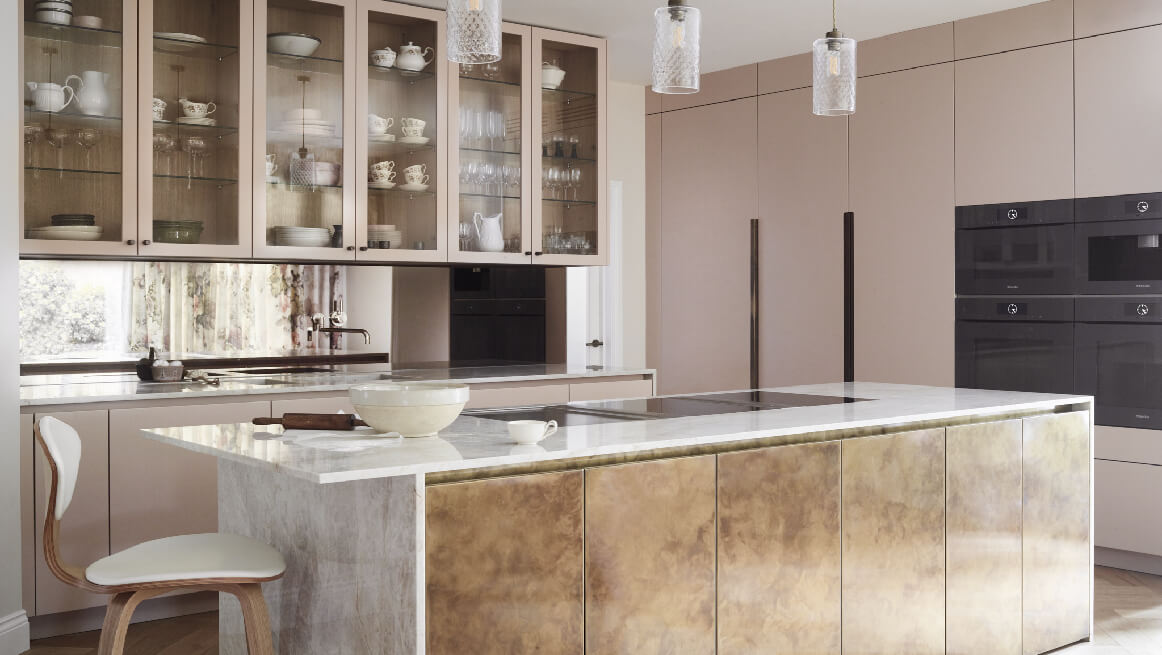
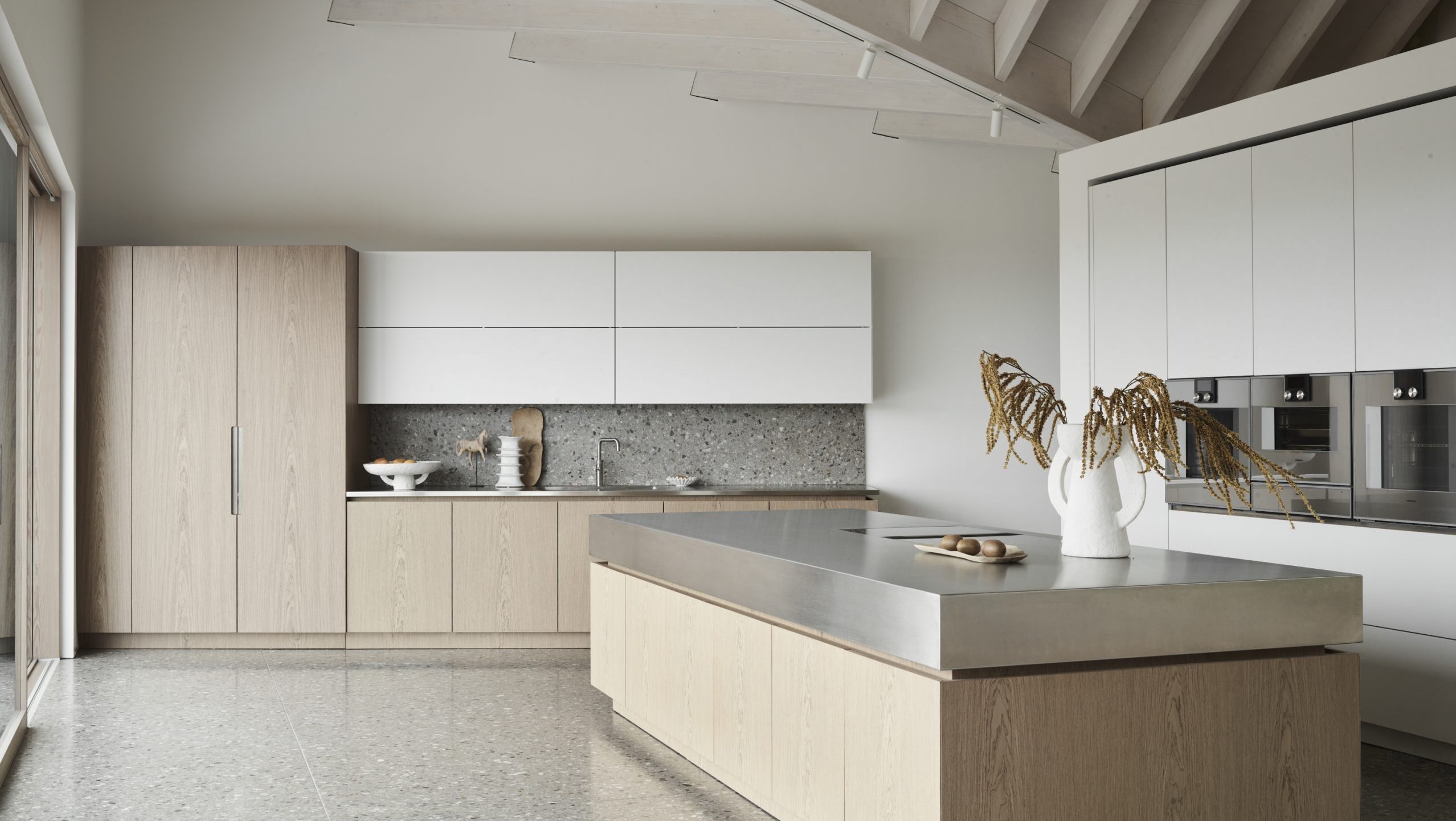
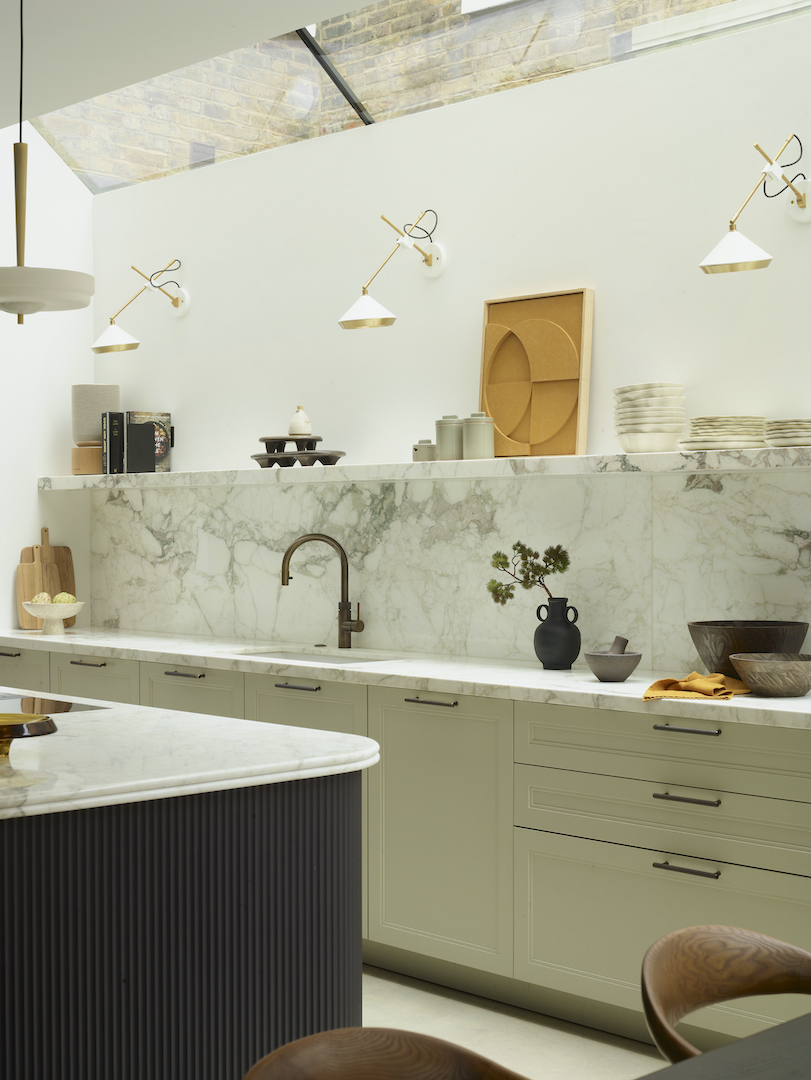
White kitchens are firmly back in focus for 2026, but the way they’re used is evolving. Instead of sharp, brilliant whites, this year’s kitchens are more likely to favour softer, warmer tones. Inspired by Pantone’s Cloud Dancer, we’re talking creamy, chalky whites with subtle depth. The key shift will be how white behaves as a backdrop rather than a feature. Used on cabinetry, walls and feature shelving, it will act as a calming canvas that sharpens everything placed against it – like the dynamic black island in our Alden project. In 2026, white will be about contrast and context, not white-on-white washouts.
Herbal greens
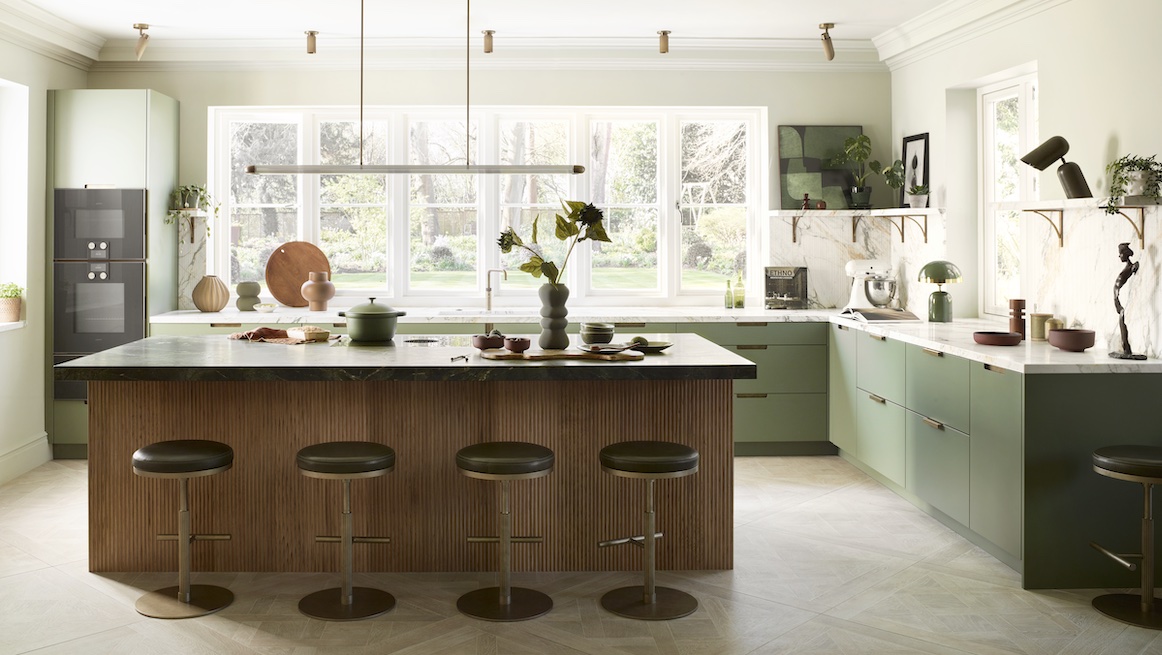
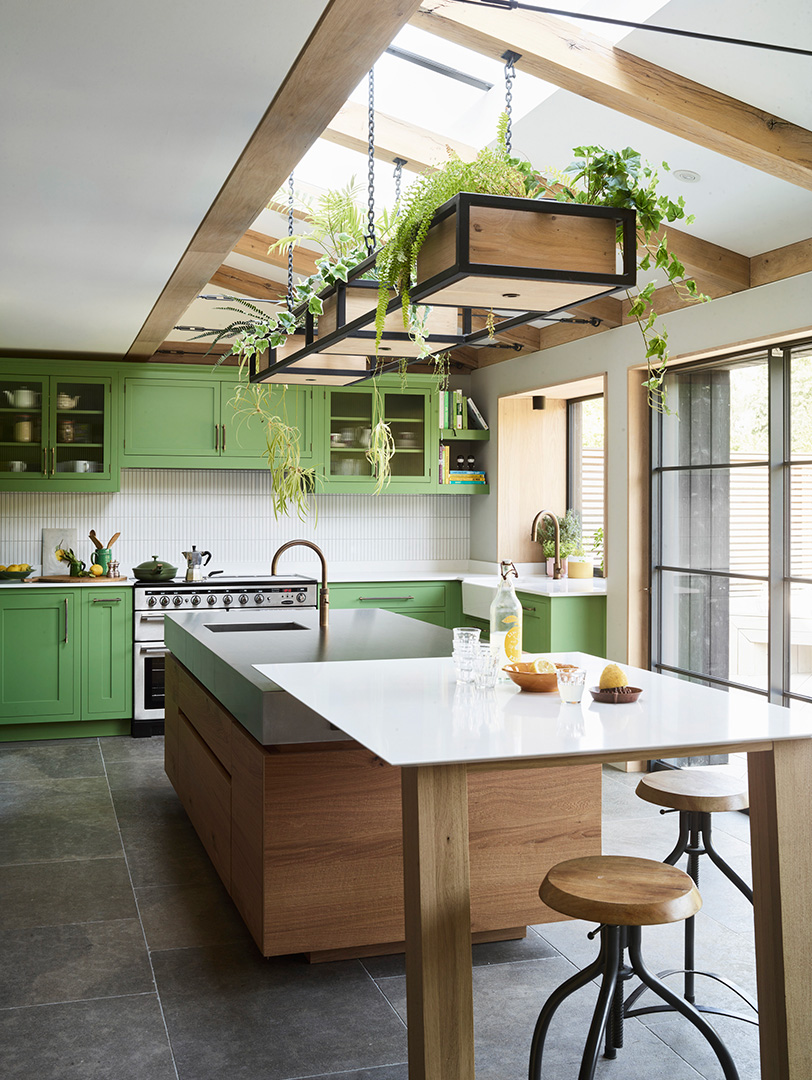
Green is always a strong player on kitchen moodboards, and 2026 is no exception. This year we’re anticipating a move away from the deep dramatic green kitchens that have been reigned for several years, towards lighter herbal shades. Valspar’s 2026 Colour of the Year, Warm Eucalyptus, sets the tone. A vintage-leaning green celebrated for its ability to make spaces feel settled, calm and lived-in, it’s perfect for modern kitchens. Industry colour reports echo this direction, spotlighting clean olives, fresh sage and smoky fern as the shades to watch. These herbal greens bring an effortless connection to nature, particularly when paired with pale stone, warm timbers and natural light, as seen in our Oliver project. In 2026, green will move away from drama and toward atmosphere, softly anchoring kitchens in natural, restorative calm.
Fluted cabinetry
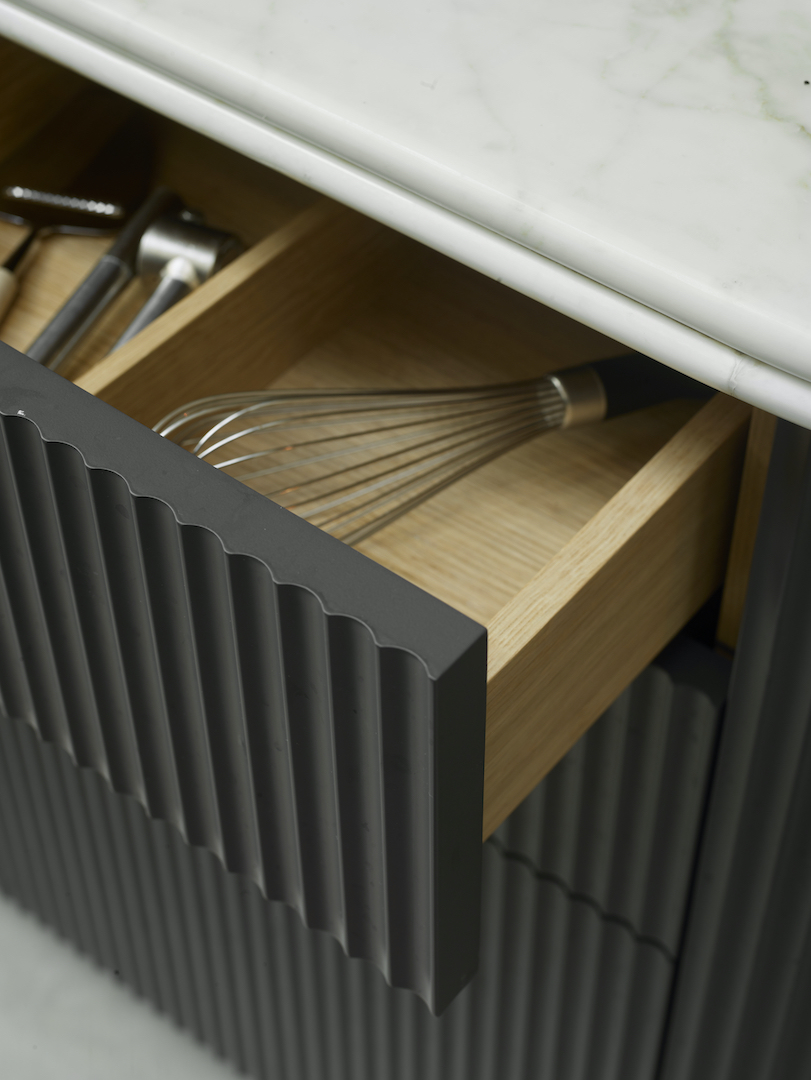
Fluting is here to stay as a powerful way to introduce texture into cabinetry, but in 2026 the fluting focus is on celebrating craftsmanship rather than mere decoration. We’re anticipating call for more generously curved fluted profiles that give cabinetry a distinctly handcrafted feel, as seen on the drawer fronts in our Alden project. This shift will celebrate artisanal skills, allowing light and shadow to move gently across vertical surfaces. Used on islands, tall cupboards or drawer runs, fluted cabinetry will break up large expanses while adding tactility and rhythm. It’s a trend that signals a move away from flat minimalism toward modern design that feels crafted and rich in detail.
Quartzite feature stone
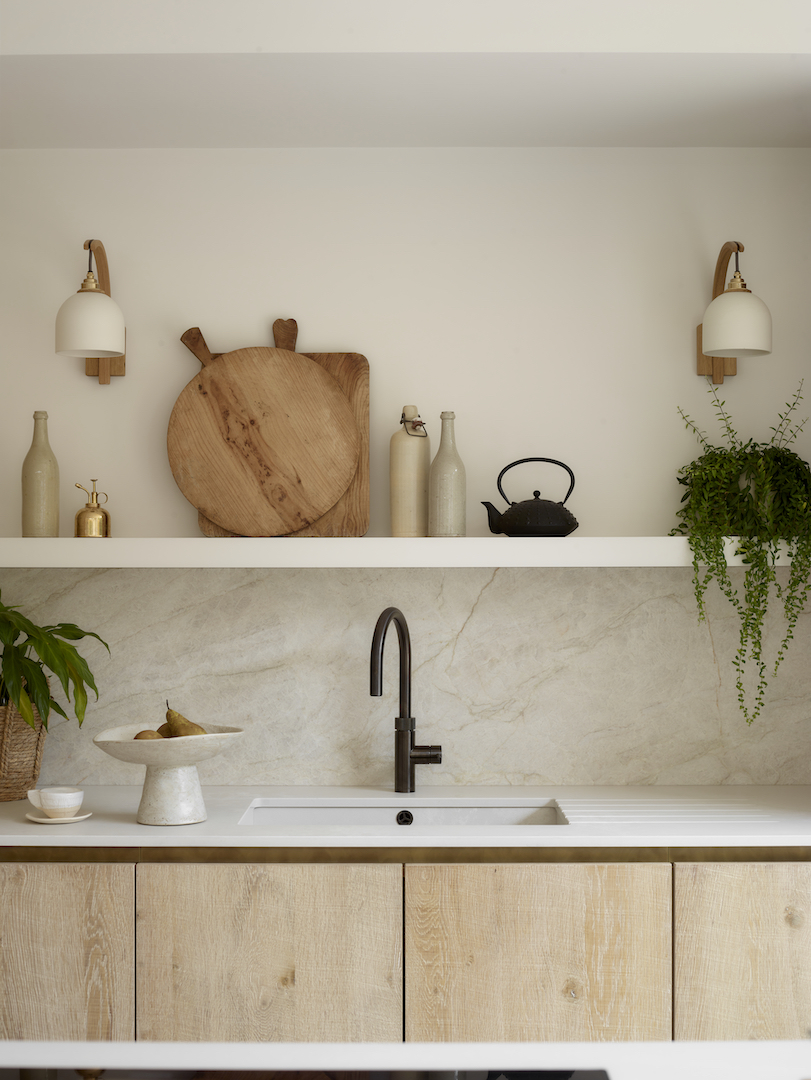
Stone will remain central to kitchen design in 2026, but quartzite is expected to take over from marble as the go-to all-natural surface. Loved for its subtle veining and organic movement, quartzite offers an elegant alternative to high-contrast marbles while delivering improved strength. It is significantly harder and more durable than marble, but still requires a level of TLC for long-term protection, making it best suited to breakfast bars and splashbacks. In busy cooking zones and around sinks, our designers often recommend pairing natural quartzite with manmade surfaces. In our Ashbury project, for example, Taj Mahal quartzite splashbacks and Caesarstone’s manmade Cloudburst Concrete worktops combine natural beauty with practical resilience. The result is kitchens that feel luxurious but are designed for real life.
Timber drenching
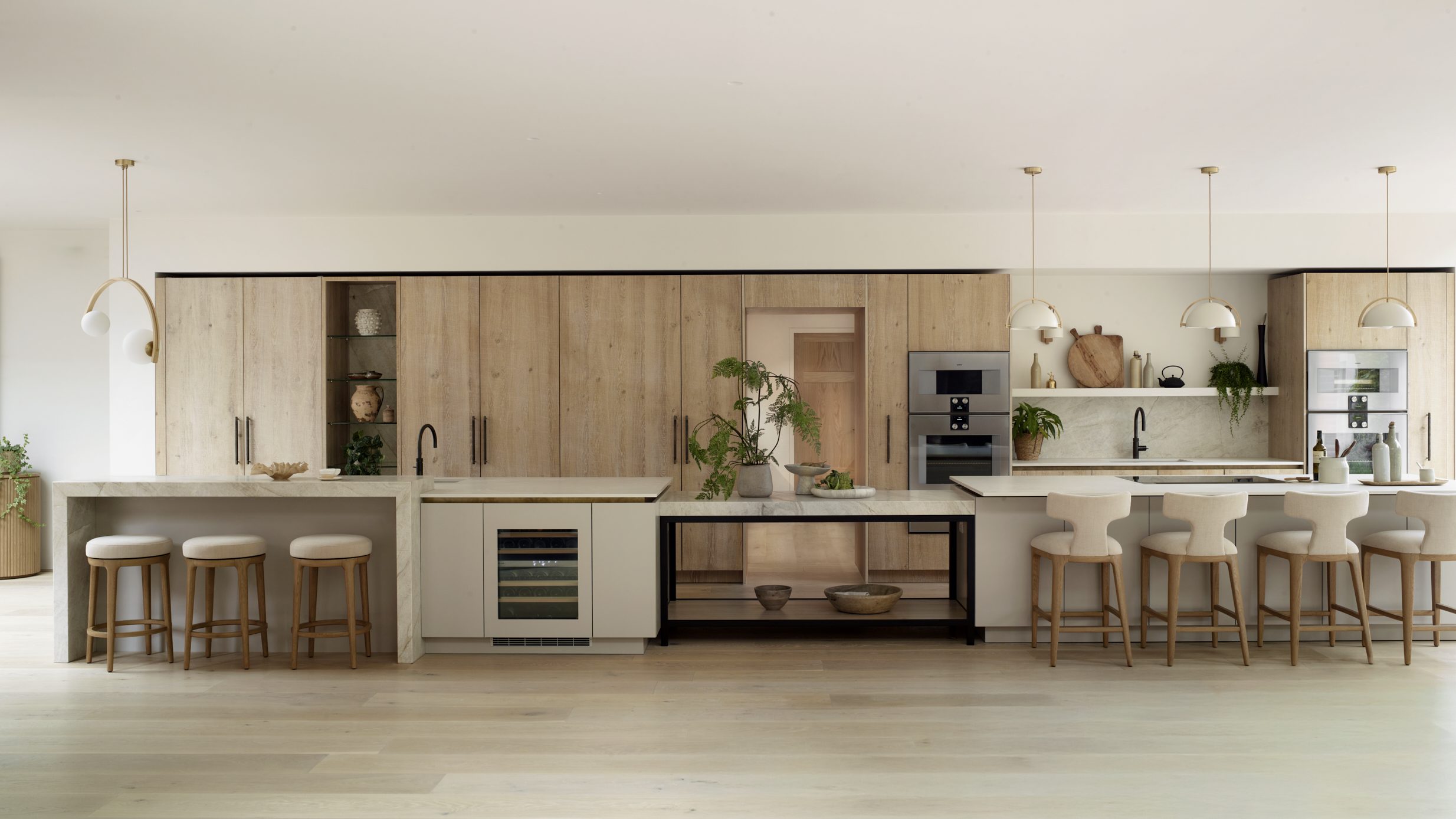
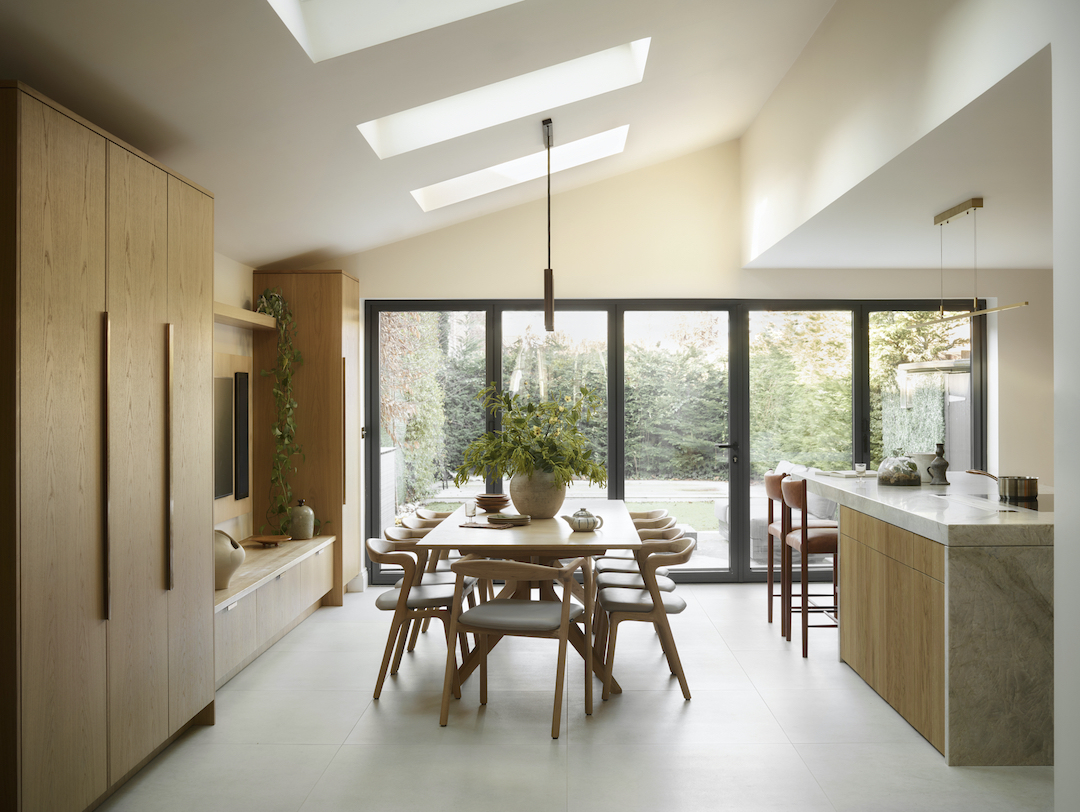
Timber has always had a place in kitchen design, but it’s been decades since all-wood schemes were truly in vogue. In 2026, full timber immersion is poised to return. Not as a retro revival, but as a modern form of ‘wood-washing’, where cabinetry, tall units and architectural details are unified in natural wood. Pale oak and walnut will be used floor-to-ceiling across storage, tall units and even media furniture and living room storage. This generous use of wood is a great way to bring warmth, texture and continuity, particularly in open-plan homes – like our Bulpittproject – where the kitchen needed to sit comfortably alongside other living spaces. Layered with fluted details, the new way to do timber in the kitchen is warm and enveloping, while remaining crisp, architectural and distinctly modern.
Discreet hardware
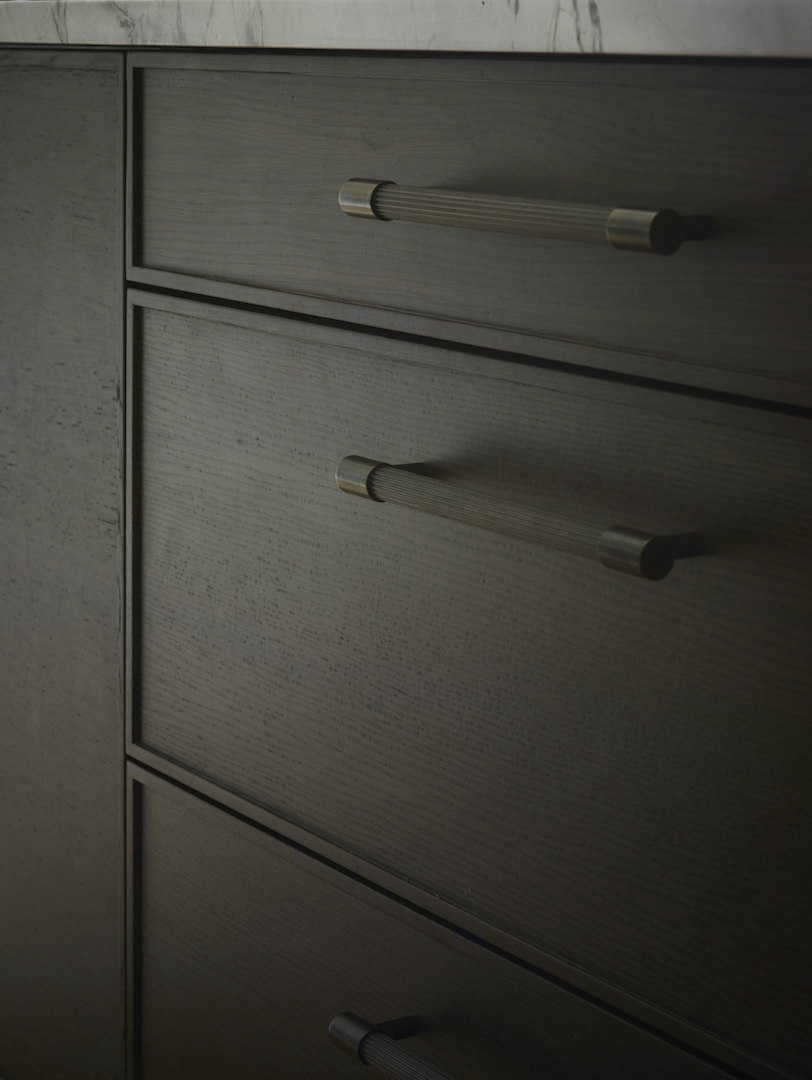
In 2026, hardware will be deliberately understated, delivering the same visual calm as handleless kitchens but with extra materiality. Slim linear pulls in coordinated finishes will deliver a refined, low-key look while offering excellent grip – an important consideration for ease of use and longevity. Rather than standing out like jewellery on a black dress, hardware will disappear into the cabinetry, allowing materials, proportions and joinery to lead.
January is a natural time to reset and re-evaluate how we live at home. In 2026, the most compelling kitchens will be defined by restraint, material integrity and craftsmanship that stands the test of time – principles that sit at the very heart of Roundhouse design. To find out how this year’s trends could work in your home, we’d love to welcome you to one of our showrooms.
Frequently Asked Questions – Kitchen Trends 2026
What kitchen design trends will define 2026?
Kitchen trends for 2026 focus on warmth, texture and craftsmanship, moving away from stark minimalism. Key directions include softer colour palettes, fluted cabinetry, herbal greens and material-led design choices. Together, these trends create kitchens that feel calm, layered and timeless.
Which kitchen colours are trending in 2026?
White remains central to kitchen design in 2026, but it is warmer and creamier in tone rather than crisp or cool. Herbal greens also take prominence, offering muted, botanical shades that bring a sense of calm and connection to nature. The emphasis is on contrast and context rather than high-impact colour statements.
Is fluted cabinetry still popular in bespoke kitchen design for 2026?
Yes, fluted cabinetry continues to play a key role in bespoke kitchen design, evolving into finer, more delicate profiles. These handcrafted details introduce rhythm, texture and shadow, helping large kitchen surfaces feel lighter and more refined. The result is cabinetry that feels crafted rather than purely minimal.
What materials are shaping kitchen trends in 2026?
Natural materials are central to kitchen design in 2026, with quartzite emerging as a standout surface. Timber is also reintroduced in a more architectural way, appearing across cabinetry, interiors and storage. Together, these materials balance durability with warmth and visual depth.
How is hardware changing in kitchen design for 2026?
Kitchen hardware in 2026 is deliberately understated, designed to blend seamlessly into cabinetry. Slimline pulls, integrated finishes and push-to-open mechanisms prioritise visual calm and longevity. This approach allows materials, proportions and craftsmanship to take centre stage.