ESG sells – how kitchens can turn sustainability into high demand
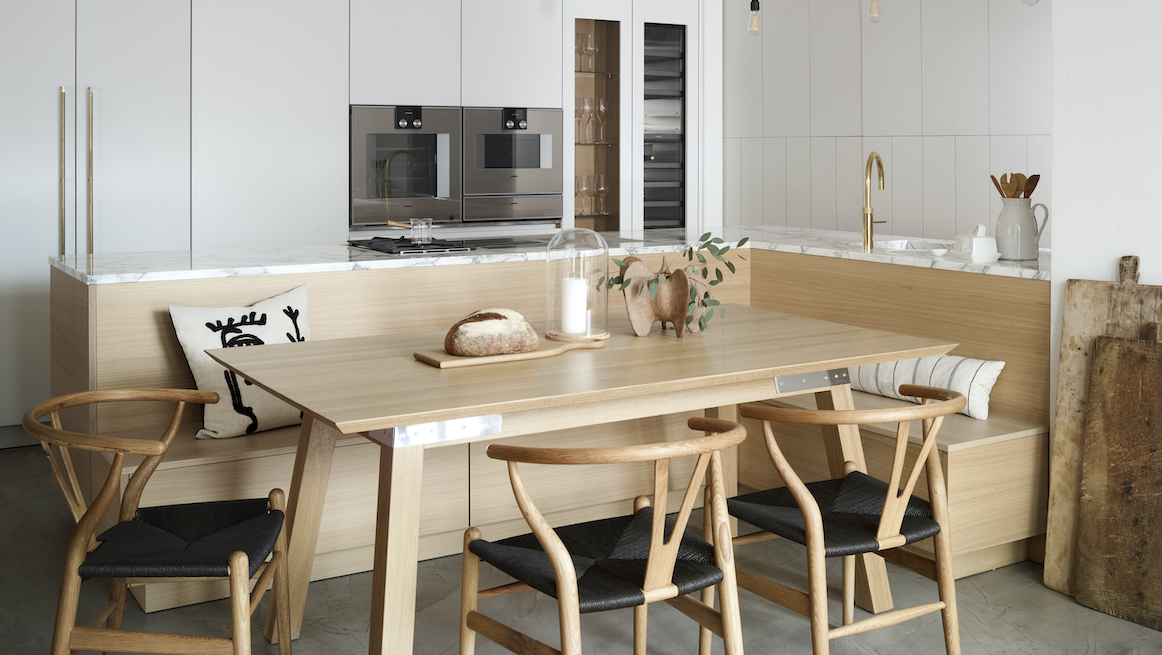
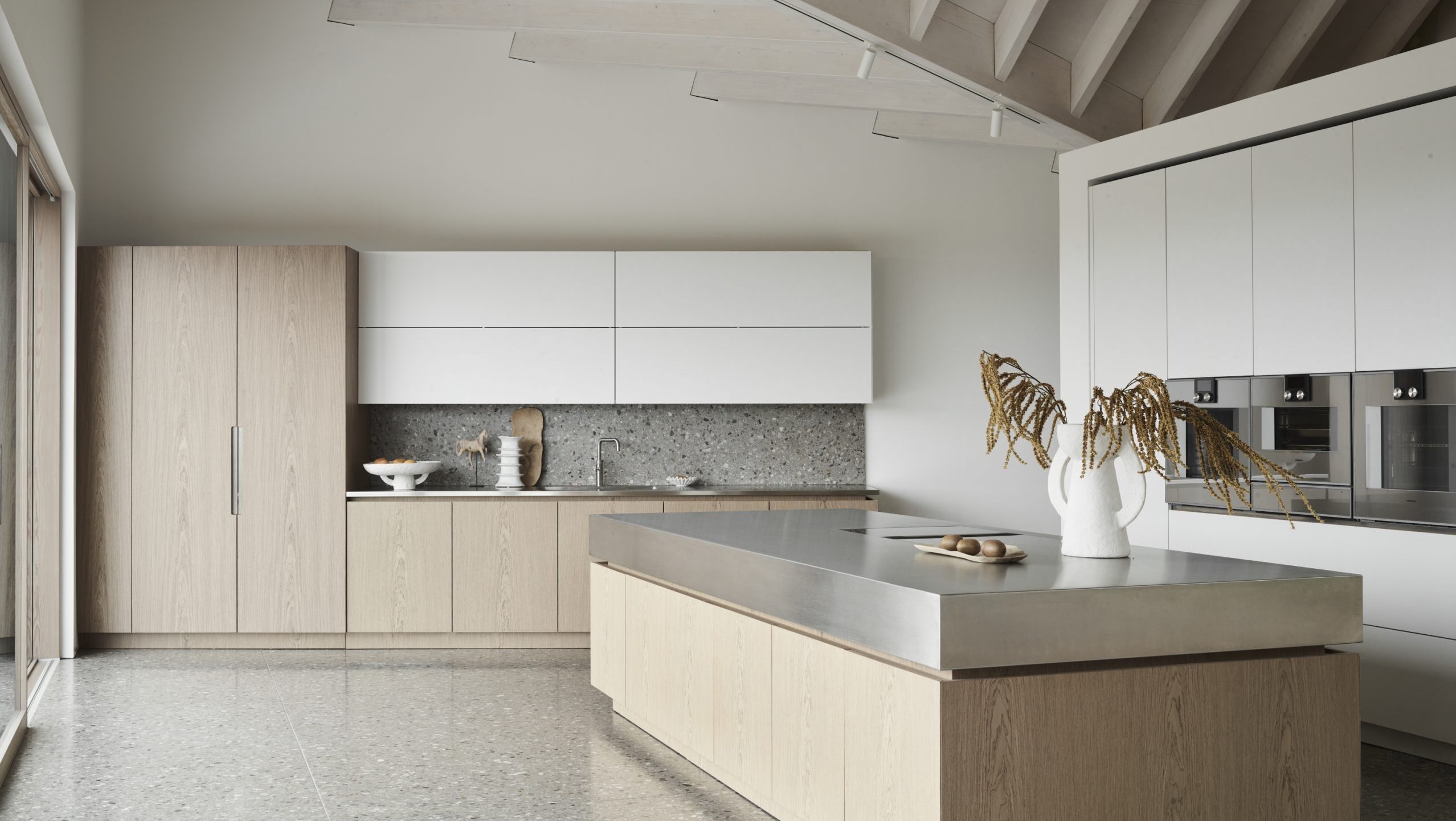
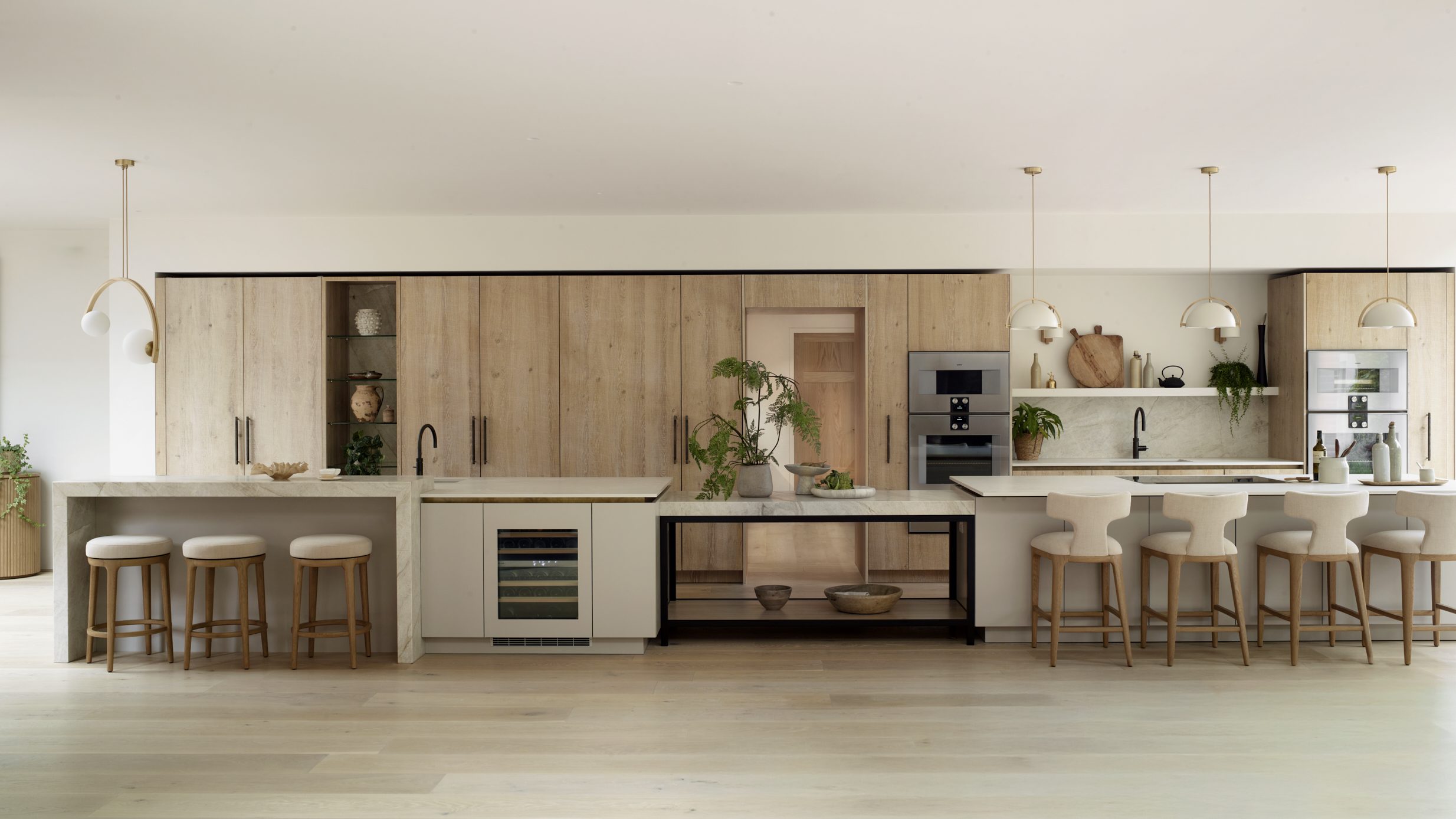
ESG (Environmental, Social and Governance) is no longer a compliance exercise – it is reshaping how residential developments are conceived, delivered and swiftly sold. Nowhere is this more visible than in the kitchen, where materials, manufacturing, energy use and day-to-day function unite.
For prime residential developers, it presents a clear opportunity to move beyond box-ticking and use specification to support planning outcomes while strengthening market appeal. The current global pressures on energy costs have only sharpened the focus, pushing efficiency, longevity and responsible sourcing firmly into non-negotiable territory.
With an architect-led heritage, more than 30 years of experience and UK-based manufacturing, Roundhouse is well placed to support this shift. Sustainability has always been embedded across design, production and delivery – not as a bolt-on, but as part of a coordinated strategy rooted in conscientious decision-making and considered kitchen design. Read on to discover how Roundhouse brings this into practice, supporting developers from early planning through to final sale.
Supporting planning and procurement from the outset
Across the UK, planning authorities are placing greater weight on carbon reduction, material provenance and responsible sourcing, while ESG requirements from investors and lenders are increasingly shaping procurement decisions.
Roundhouse supports developers early in the process, aligning kitchen specification with planning strategies and ESG targets while the scheme is still flexible. Working closely with kitchen designers, this might include advising on lower-impact materials, refining layouts to reduce waste, or coordinating appliance and services integration to avoid later changes. By addressing ESG at the kitchen specification stage – rather than retrospectively – developers can strengthen planning submissions, reduce risk and avoid costly redesign on site.
Bringing clarity to material sourcing and specification
Buyers are increasingly interested in what their homes are made from, not just how they look. They genuinely care and want to make informed choices that will last and help reduce their environmental impact on the world. Timber sourcing, recycled content and responsible manufacturing processes are all coming under greater scrutiny, particularly in the premium market.
Roundhouse brings transparency and accountability to this through the use of FSC-certified timber and carefully managed supply chains. Materials are batched and reserved per project to ensure consistency of finish across multiple plots, while also minimising unnecessary waste.
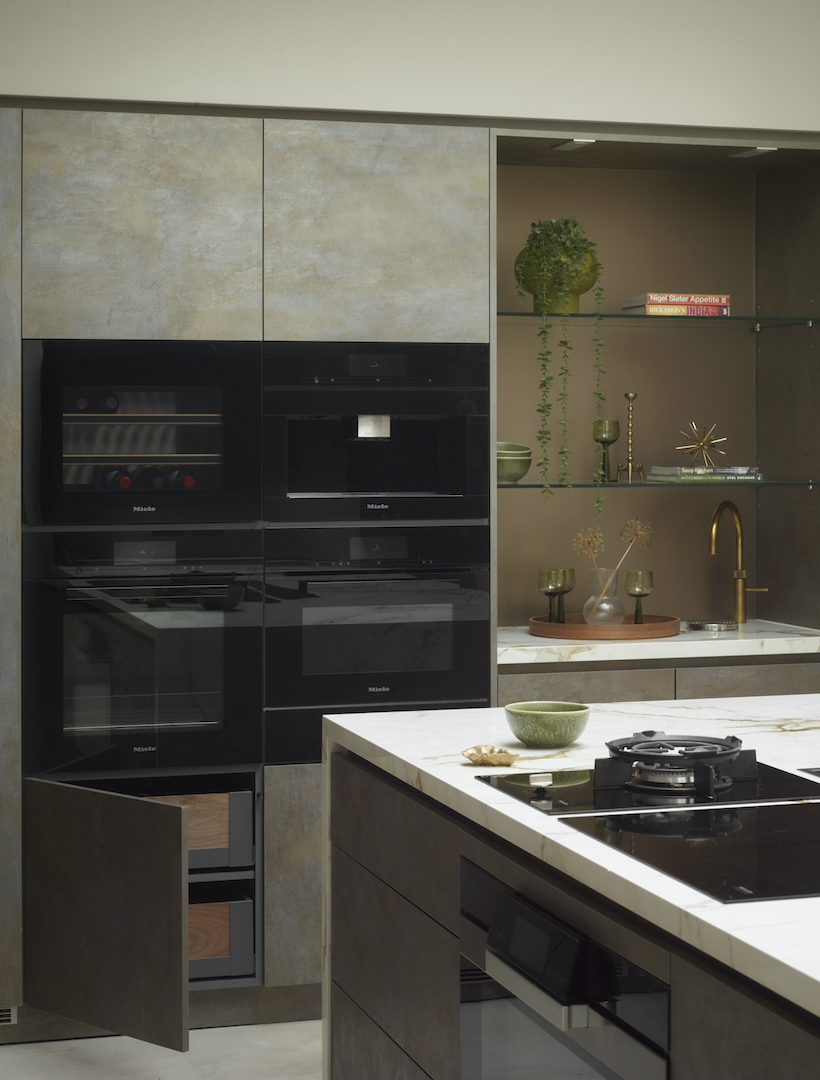
Our designers are also trained to guide on appliance specification with equal care, recommending models with the best possible energy ratings currently available to support long-term efficiency in use. This level of control improves traceability, giving developers confidence in what has been specified, where it has come from and how it has been used. It also supports ESG reporting and provides a clear, credible sourcing story to communicate to buyers of bespoke kitchens.

Reducing carbon impact through UK manufacturing
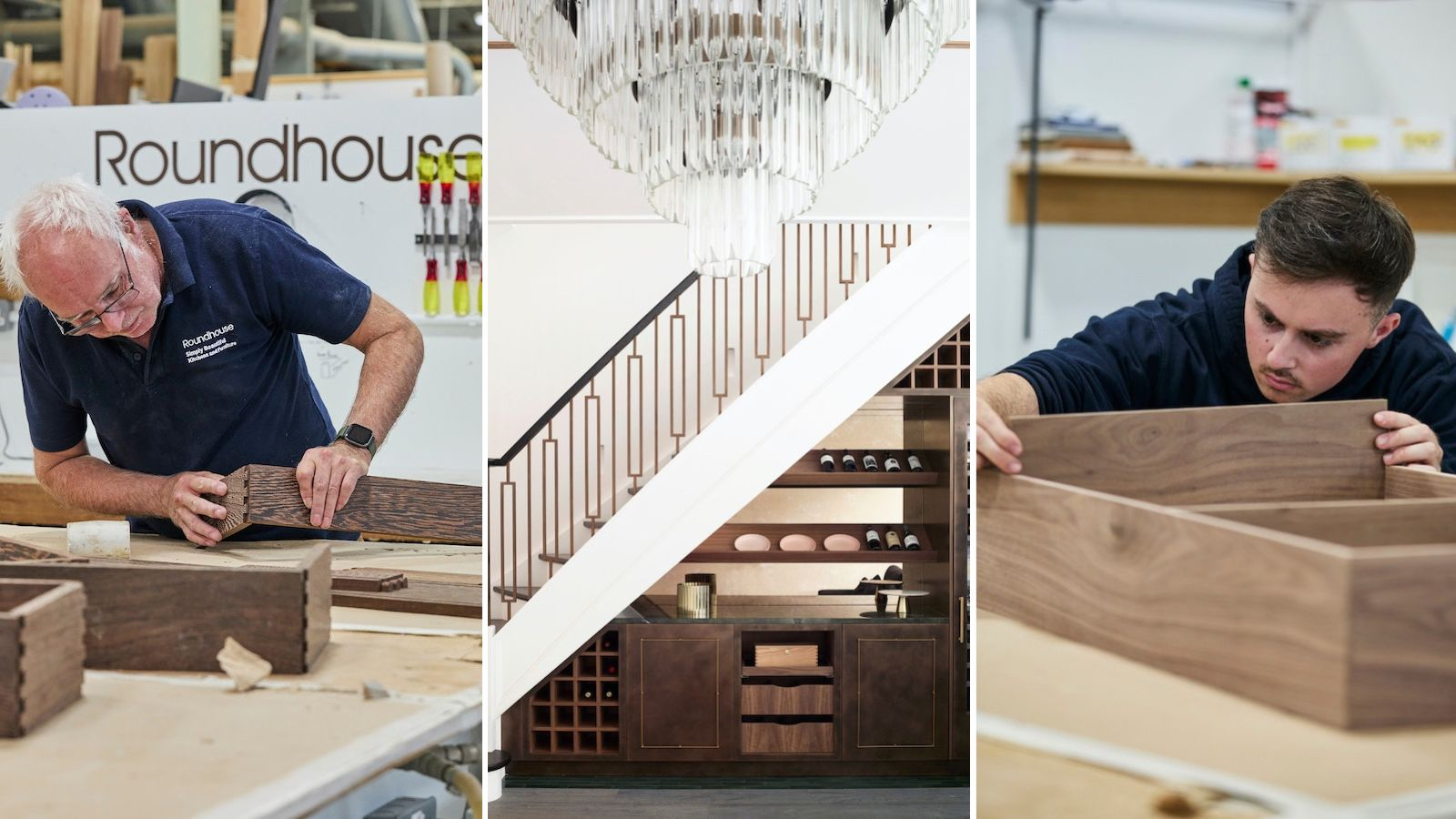
How a kitchen is made, and where, has a significant impact on its overall carbon footprint, yet this is often overlooked in favour of operational efficiency alone. Roundhouse’s UK-based manufacturing in Malvern, Worcestershire, allows for tight control over production, reducing reliance on long-distance transport and associated emissions. Advanced CNC machinery optimises material yield, while a biomass heating system repurposes timber waste to generate heat and hot water for the factory.
This approach extends beyond the factory itself. Roundhouse partners with the Woodland Trust to support UK reforestation, reinforcing a commitment to responsible timber sourcing and long-term environmental stewardship. Together, these measures embed carbon reduction and resource efficiency directly into the manufacturing process, rather than relying purely on offsetting alone.

Designing for longevity, not short-term turnover
One of the most overlooked aspects of ESG is product lifespan. A kitchen that needs replacing within a few years carries a far greater environmental cost than one designed to last. Roundhouse Design andStudio kitchens are made to order, reflecting a luxury kitchen design approach that prioritises robust construction, serviceable components and considered detailing over short-term trends.
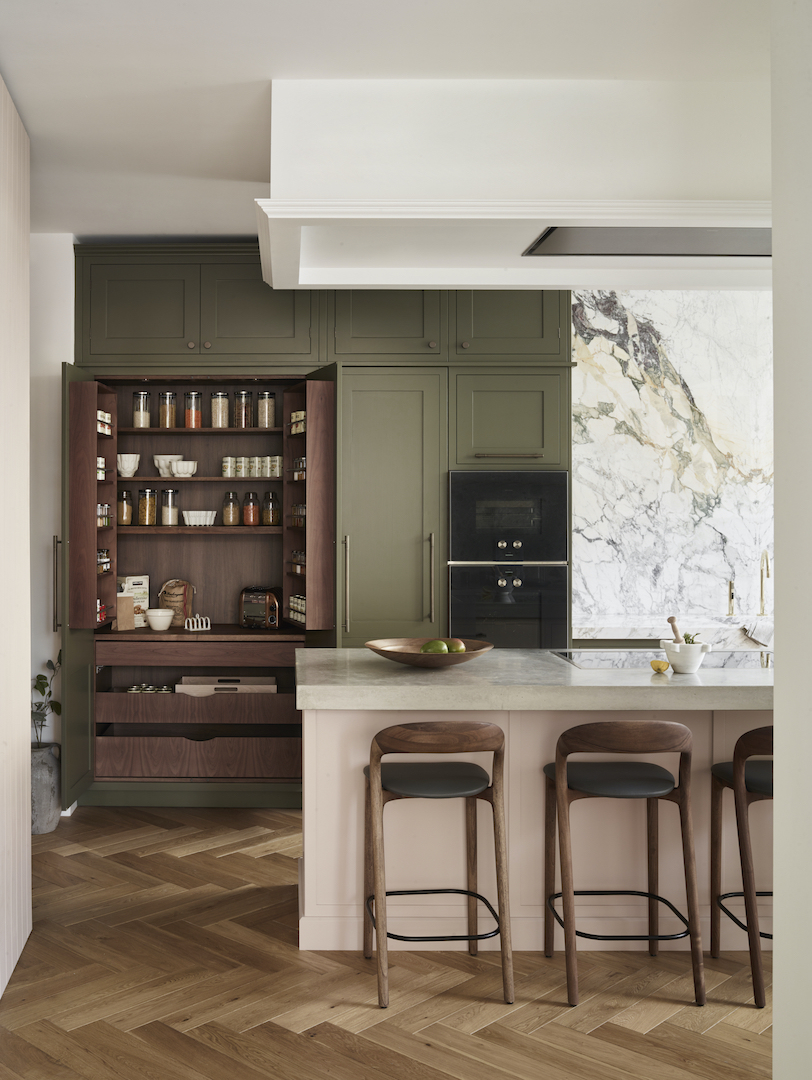
Thoughtful storage plays a key role here. Well-planned interiors – from larders to deep drawers and integrated organisers – support how the kitchen is used, reducing wear, clutter and the need for early replacement. Our aim is always a kitchen that continues to perform, both functionally and aesthetically, over time. For developers, this reduces the risk of premature obsolescence and supports a more durable, long-term value proposition.
Roundhouse combines responsible sourcing, UK manufacturing and design-led longevity to help developers meet ESG expectations with confidence – while creating homes people genuinely want to live in, and that will help to keep their living costs down, now and in the years ahead. Get in touch to see how we can support your next project.
Frequently Asked Questions – How ESG sells
What does ESG mean in residential development?
ESG (Environmental, Social and Governance) refers to how responsibly a development is designed, built and managed. In practical terms, it covers everything from carbon impact and material sourcing to long-term performance and transparency. Increasingly, it influences planning decisions, funding and buyer expectations.
Why are kitchens important for ESG performance?
Kitchens are one of the most material-intensive parts of a home, with a direct impact on embodied carbon, resource use and longevity. Because they are also highly visible to buyers, they offer a clear opportunity to demonstrate ESG credentials in a tangible, relatable way.
What role does UK manufacturing play in ESG?
UK-based manufacturing reduces transport emissions, improves quality control and allows for greater transparency around production processes. It also makes it easier to track materials and ensure consistency across multiple plots, which is increasingly important for ESG reporting.
Do buyers really care about ESG in kitchens?
Yes – particularly in the premium market. Buyers are more aware of energy use, material sourcing and long-term value than ever before. A well-specified kitchen that reflects these priorities can strengthen buyer confidence and support stronger sales performance.