December design priorities for architects and developers
As the final quarter closes, project teams across the property sector enter a uniquely demanding phase. December may come with talk of winding down, but in reality it brings a mix of programme pressures, specification deadlines and planning for the year ahead. For architects, interior designers and developers, the decisions made now shape manufacture readiness, delivery sequencing and the commercial performance of upcoming schemes.
Bespoke cabinetry and joinery packages sit right at the centre of all this. As some of the most technically complex elements in any residential project, they influence coordination, MEP alignment, design integrity and ultimately, saleability. When planned early and thoughtfully, they help unlock smoother programmes and a higher sense of quality for end buyers; when pushed too late, they can become a source of variation, cost and pressure.
Drawing on Roundhouse’s architecture-led expertise and established professional processes, this guide highlights the considerations that help keep projects moving confidently as the year concludes.

Early technical alignment protects programme certainty
Year-end often compresses technical coordination windows, so clear communication and early integration become more valuable than ever. Projects that bring joinery integration into the conversation early tend to experience fewer RFIs, smoother service routes and reduced clash risk – something Roundhouse’s proactive, architecture-led approach is designed to support.
Our process ensures:
- Full MEP, structural and finishes integration prior to manufacture
- Early identification of caveats and performance criteria
- Detailed service drawings issued to contractors for pre-installation accuracy
- Weekly coordination with site teams to maintain programme visibility
For schemes aiming to move into manufacture early in the new year, December is the moment to finalise appliance selections, internal configurations and bespoke details that may influence procurement or lead times.
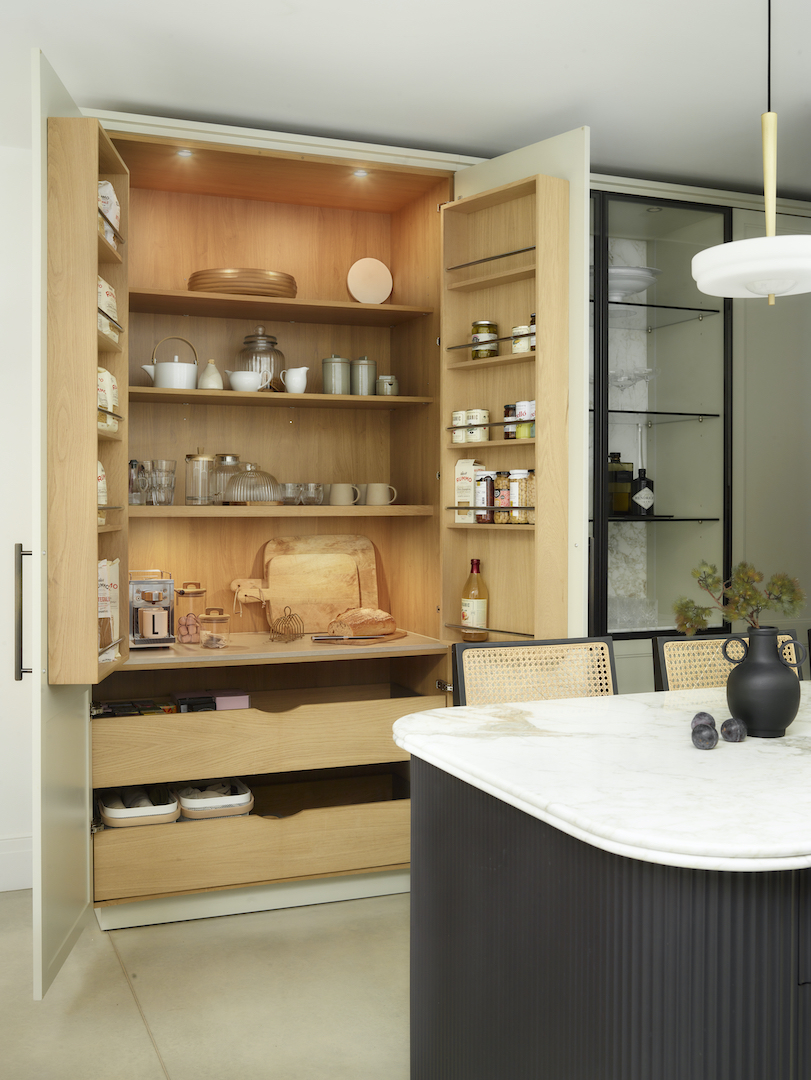
Layout logic and user performance drive Market Value
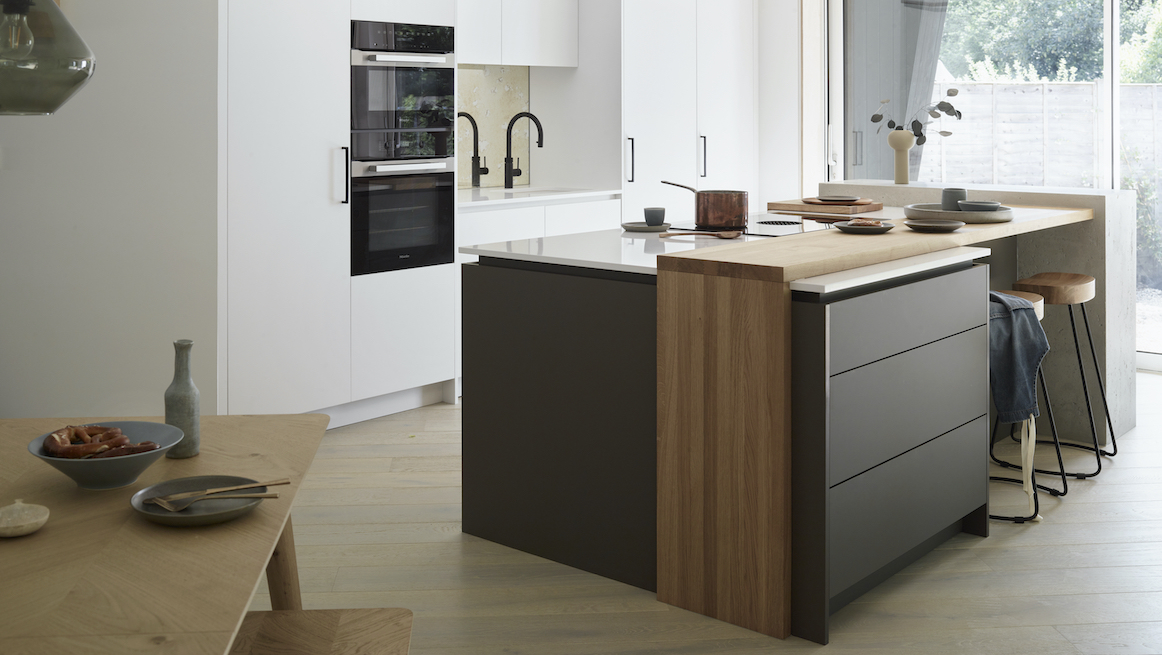
December may be a consumer-focused month, but for the trade it’s a useful pause to reassess how design decisions are supporting long-term functionality and buyer perception. It’s a chance to make sure the kitchen is working as hard architecturally as it is aesthetically.
Roundhouse’s professional partners – from architects to developers – consistently prioritise:
- Clear workflow planning based on architectural logic
- Precision spatial design that enhances the wider floor plan
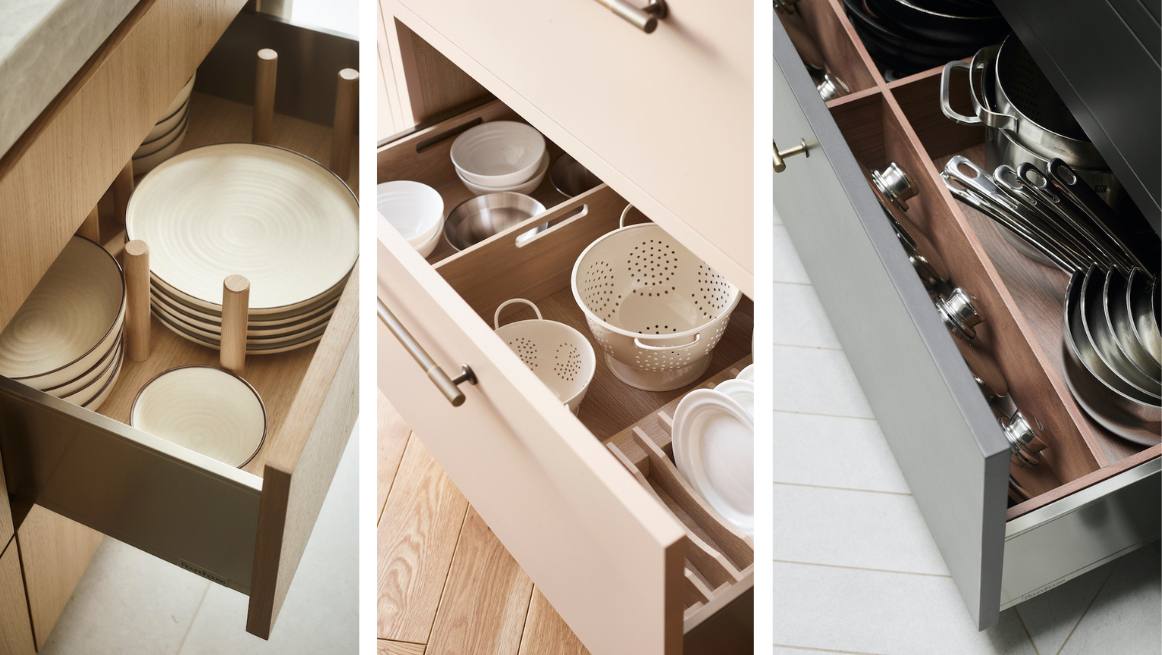
- Tailored storage strategies that improve liveability and saleability
- Material and finish selection that complements the architectural narrative
These factors directly influence marketability. As highlighted in Roundhouse’s technical guides, our design teams often find that small architectural tweaks – a shifted doorway, an adjusted service run – can unlock significantly improved layouts and higher perceived value for end users.
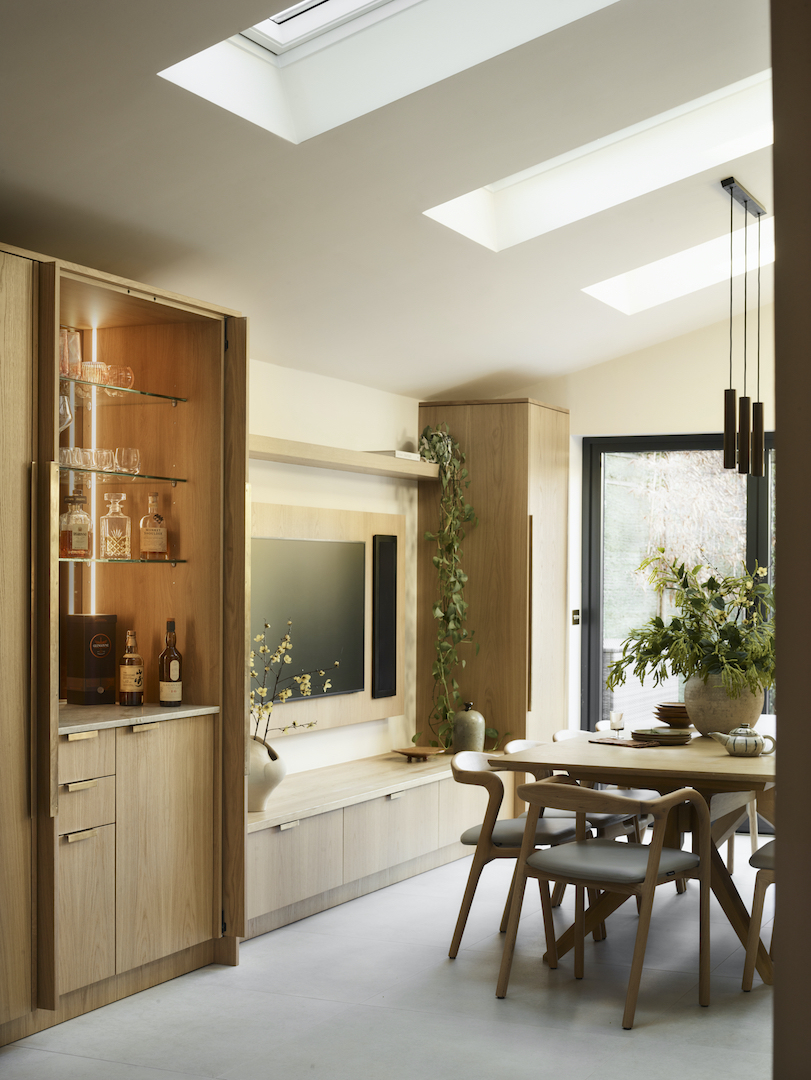
Storage and ancillary spaces are increasingly critical for developers
Across prime and multi-unit developments, storage and ancillary joinery now significantly influence purchaser confidence. Tall larders, internal lighting, integrated pantries and well-planned utility spaces now offer a level of comfort and ease that buyers immediately recognise and value.
Roundhouse’s approach integrates:
- Made-to-measure storage with internal lighting and bespoke organisation
- Service-led planning for utilities, laundries and back-of-house spaces
- Scalable solutions across Partner, Studio and Design collections, without compromising service levels
For multi-plot schemes, the ability to maintain consistent finishes and detailing – alongside precise technical documentation and controlled manufacturing batches – becomes essential for delivering quality at scale.
Flexibility, future-proofing and the architectural envelope
Modern residential schemes need joinery that adapts effortlessly to different modes of living, especially in open-plan layouts. December is often the moment when design teams look again at how the kitchen will behave in periods of high usage. Not from a festive perspective, but through the lens of functionality, ergonomics and architectural fit.
Key considerations include:
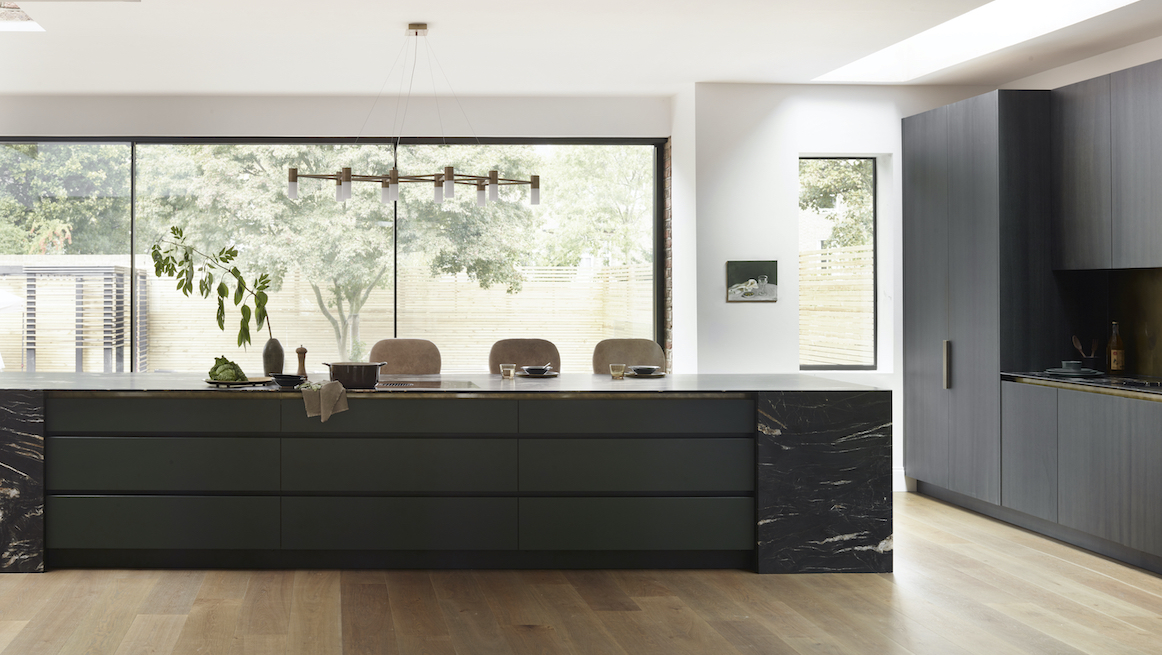
- Spatial flexibility within islands, peninsulas and seating arrangements
- Integration of quiet, efficient appliances to support dense usage
- Material durability and long-term maintenance behaviours
- The ability of joinery to transition between cooking, entertaining, working and storage modes
These principles reflect Roundhouse’s long-standing approach: bespoke kitchens designed as architectural components, seamlessly connected to the wider home and performing reliably across varied scenarios.
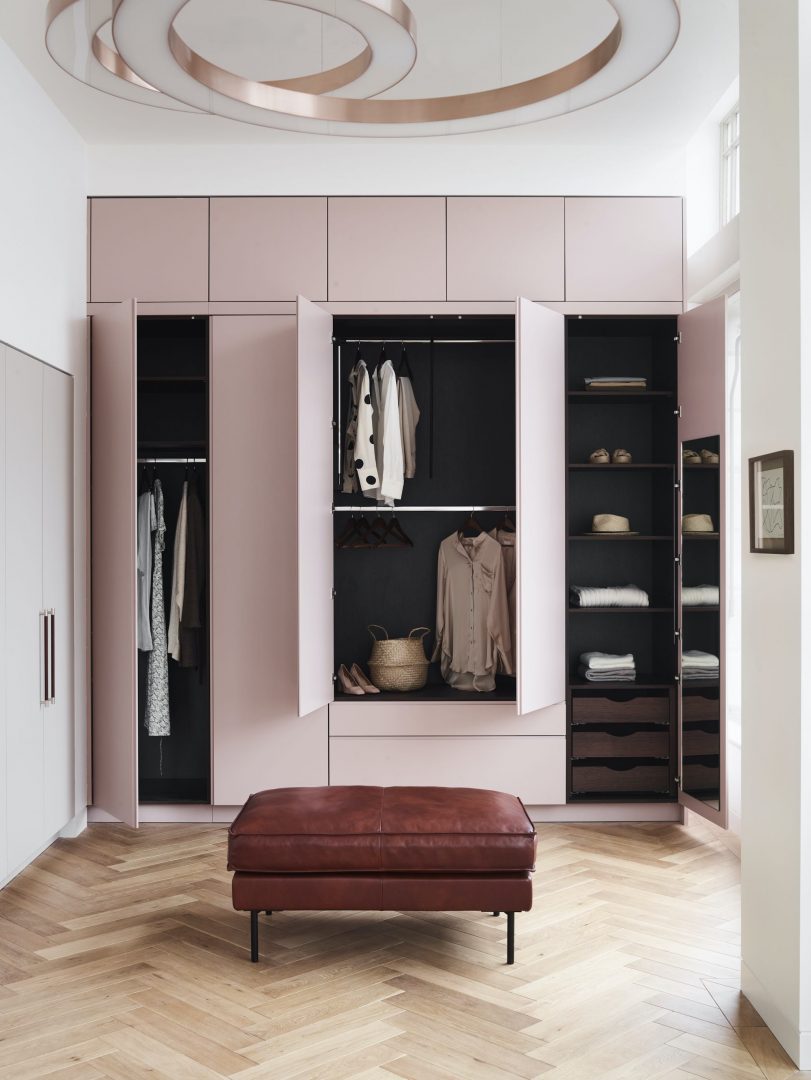
Identifying Additional Joinery Opportunities
Clients often become more receptive to expanded scope as projects near completion. December therefore becomes a helpful point for architects and interior designers to reassess opportunities across:
- Utilities and laundry spaces
- Bedroom wardrobes
- Study and home office joinery
- Hallway and transition space cabinetry
Roundhouse offers a consistent professional experience across collections and price points, allowing project teams to deliver cohesive, high-quality joinery across the entire home – with full technical drawing packages, project management and precise installation to support every stage.
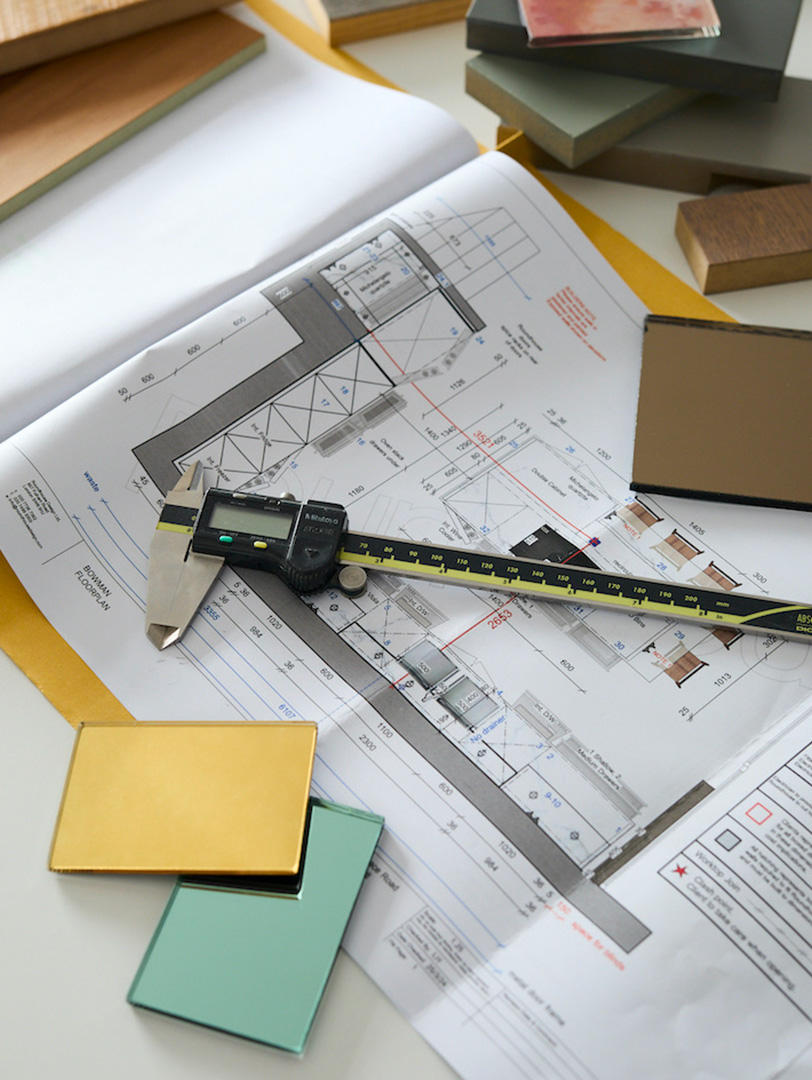
Navigating Year-End manufacturing cycles
December naturally brings added focus to production scheduling, approvals and long-lead item procurement. As Roundhouse’s Malvern factory enters its winter shutdown, our project managers work closely with professional partners to keep momentum strong and avoid any disruption to early-year installation windows.
This includes:
- Mapping design freeze dates against factory capacity
- Early procurement of appliances and specialist finishes
- Allocating manufacturing batches for multi-plot consistency
- Aligning installation phasing with contractor programmes and site readiness checks
For developments targeting January or February 2026 completion, December is the final opportunity to resolve outstanding details and mitigate last-minute cost or coordination risk.
Partner with Roundhouse
If you are preparing schemes for early-2026 delivery, coordinating multi-unit programmes or refining technical details ahead of manufacture, our team can support you at every stage, from architectural workshops and value-engineering sessions to full-service project coordination.
Contact the Roundhouse Professional Team to discuss your upcoming projects.
Frequently Asked Questions – December Design Priorities
Why does December play such an important role in how buyers perceive a kitchen?
Because buyers imagine how the space will cope with real festive life — hosting, big food shops and family time. A kitchen that feels calm and functional under winter pressure signals quality and makes a strong first impression.
What early design decisions have the biggest impact on long-term value?
Getting the layout right from the start. Clear workflow, good prep space and well-placed appliances create a kitchen that feels effortless to use. When architects, developers and joinery teams align early, the result adds long-term value and sells better.
Why is storage such a strong selling point during festive-season launches?
December highlights how much space people really need. Generous storage — especially a well-planned pantry — helps buyers picture clutter-free living and smooth entertaining. It instantly makes the kitchen feel more luxurious and more practical.
What kitchen features matter most for entertaining in winter?
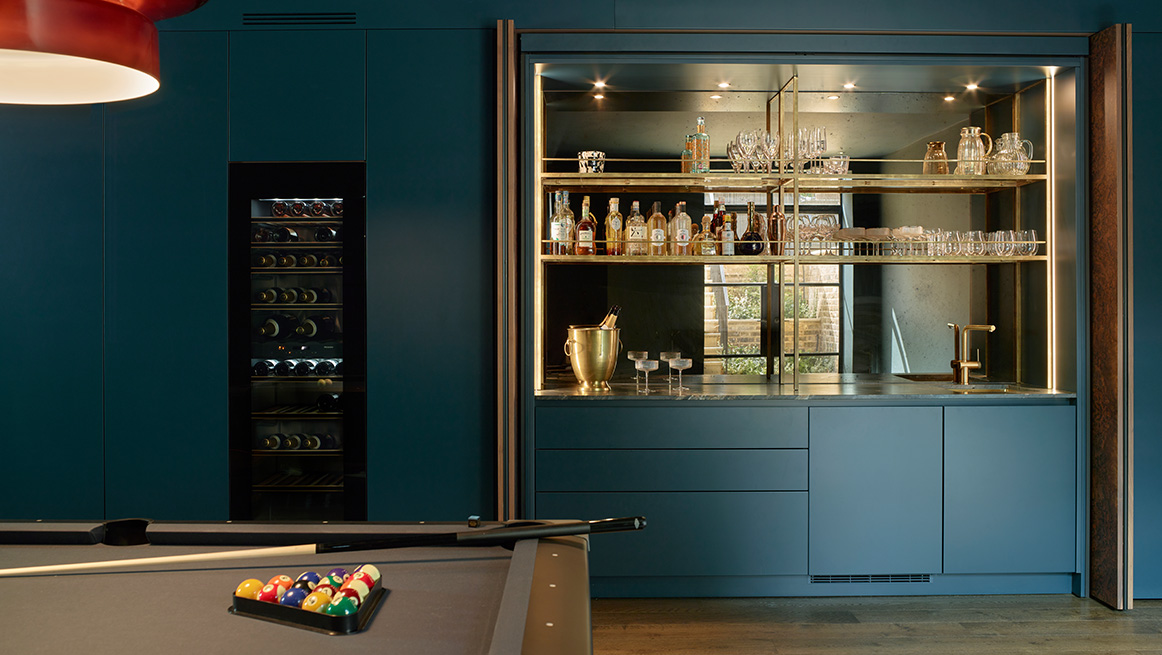
A sociable island, quiet appliances, durable worktops and flexible zones all make entertaining easier. Spaces that can shift between everyday use and party mode — from prep corners to home-bar cupboards — stand out most.
What operational factors should developers and designers keep in mind?
Lead times tighten in December, so clear planning with suppliers is essential. With factory closures over Christmas, final details need locking in early. It’s also a good moment to review wider joinery needs, as clients are more aware of how the whole home needs to function over the festive season.