Wood drenched kitchens: How to embrace timber in modern design
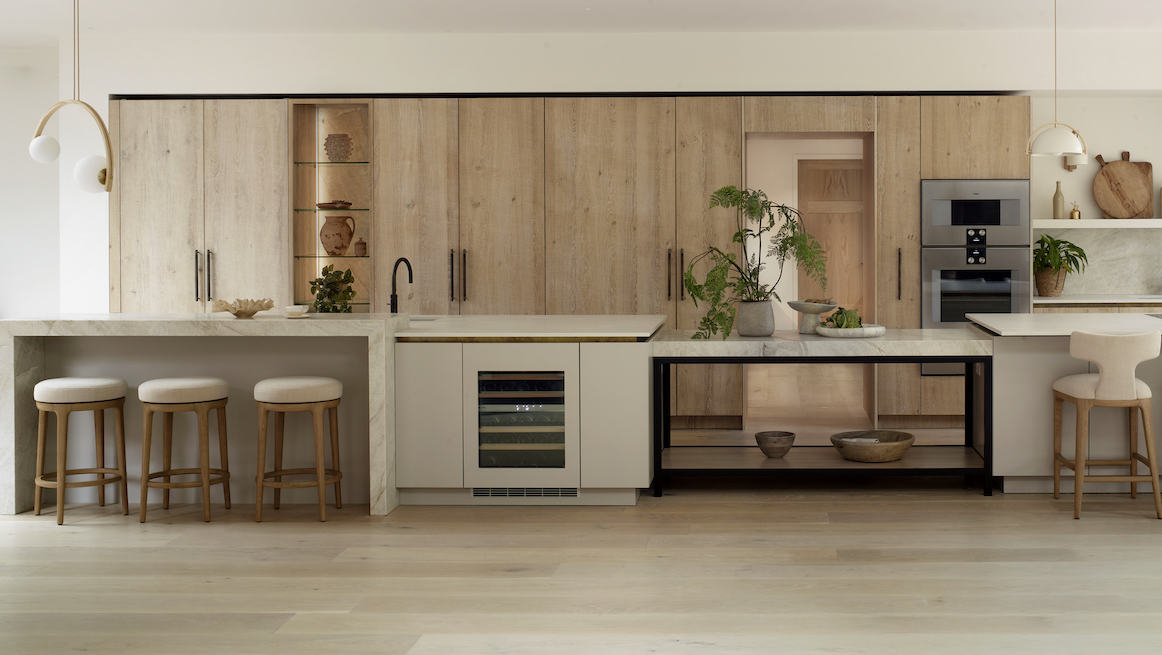
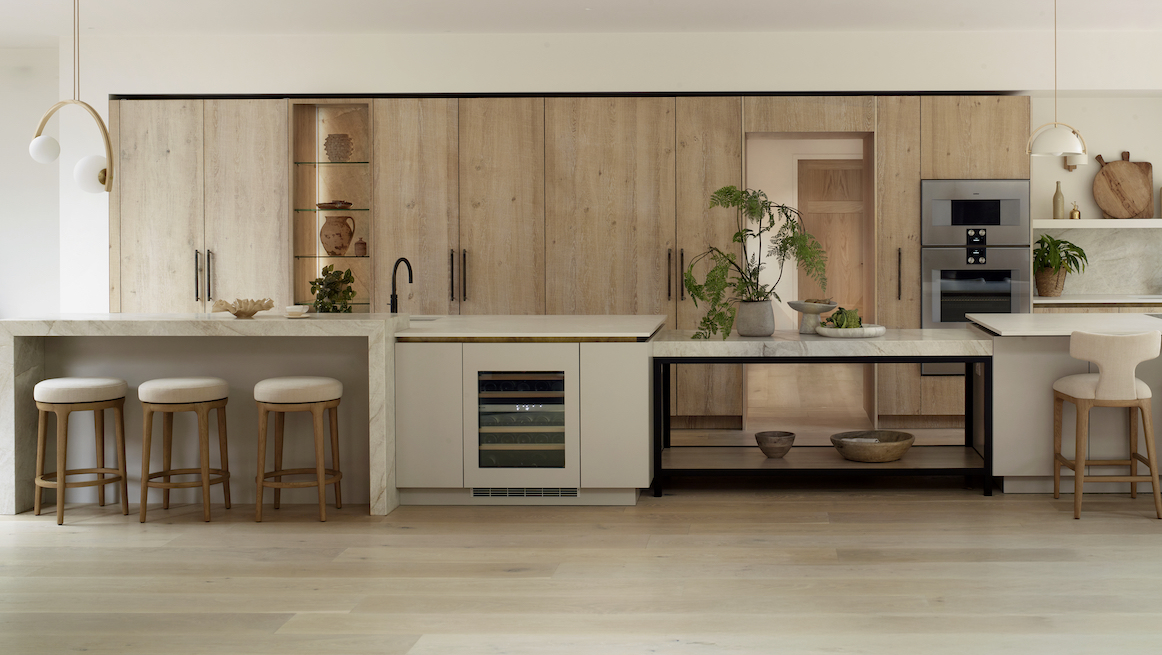
Wood has never really gone out of fashion in kitchens, but how we use it keeps evolving. For 2026, timber is moving beyond safe, accent gestures towards more immersive schemes where grain, tone and texture shape the entire room. One of the clearest signs of this shift, and something you’ll spot across many current wood kitchen ideas, is “wood drenching”: wrapping cabinetry, islands and architectural elements in timber so the space feels cohesive, grounded and calm.
Traditionally associated with classic kitchens, timber is taking a stronger lead within modern kitchen design, and we’re delighted to see it take centre stage again. At Roundhouse, its renewed relevance aligns naturally with our ethos of crafting bespoke kitchens that combine responsibly sourced materials with precise, architectural cabinetry. Here are four contemporary ways to embrace wood right now.
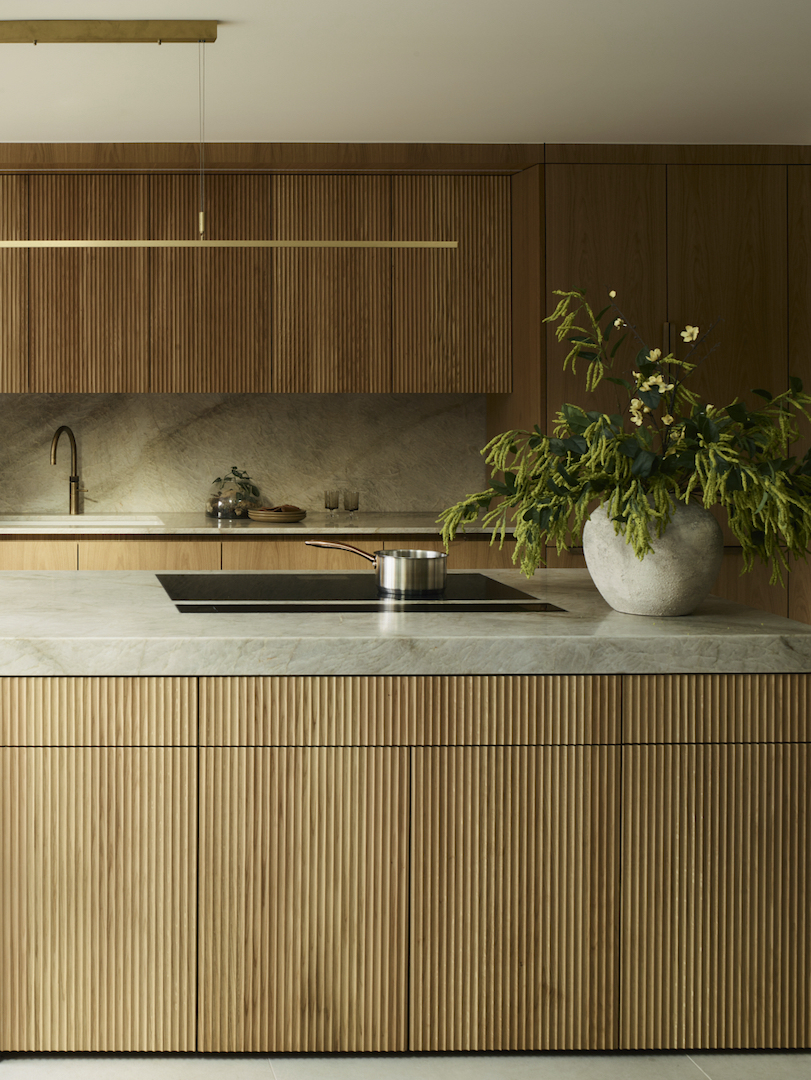
Introduce rhythm with fluting
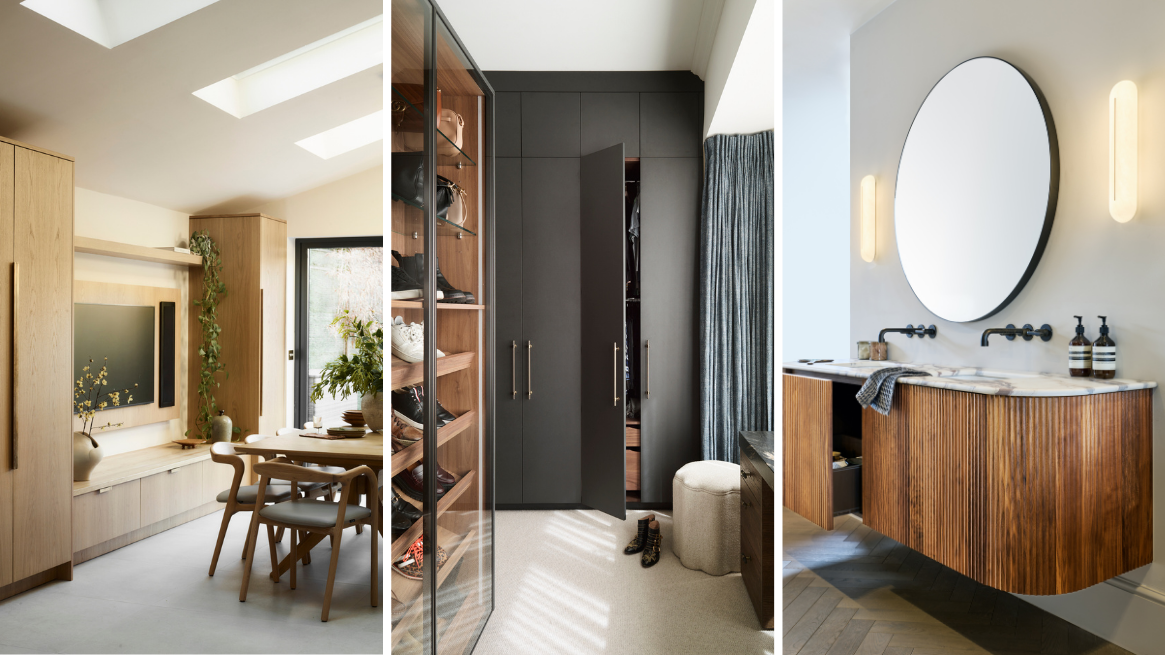
Adding three-dimensional detailing such as fluted or ribbed timber is a sophisticated way to introduce rhythm, giving cabinetry definition and an extra layer of visual interest. Typically oriented vertically, these groovy timber surfaces can also draw the eye upward, emphasising ceiling height and injecting architectural drama without increasing the room’s footprint. Our Bulpitt project demonstrates how integrating fluted-grain feature doors within a timber-led scheme creates movement and elegance, offering a smart way to layer materiality, catch changing light throughout the day, and avoid the dreaded ‘log cabin’ effect.
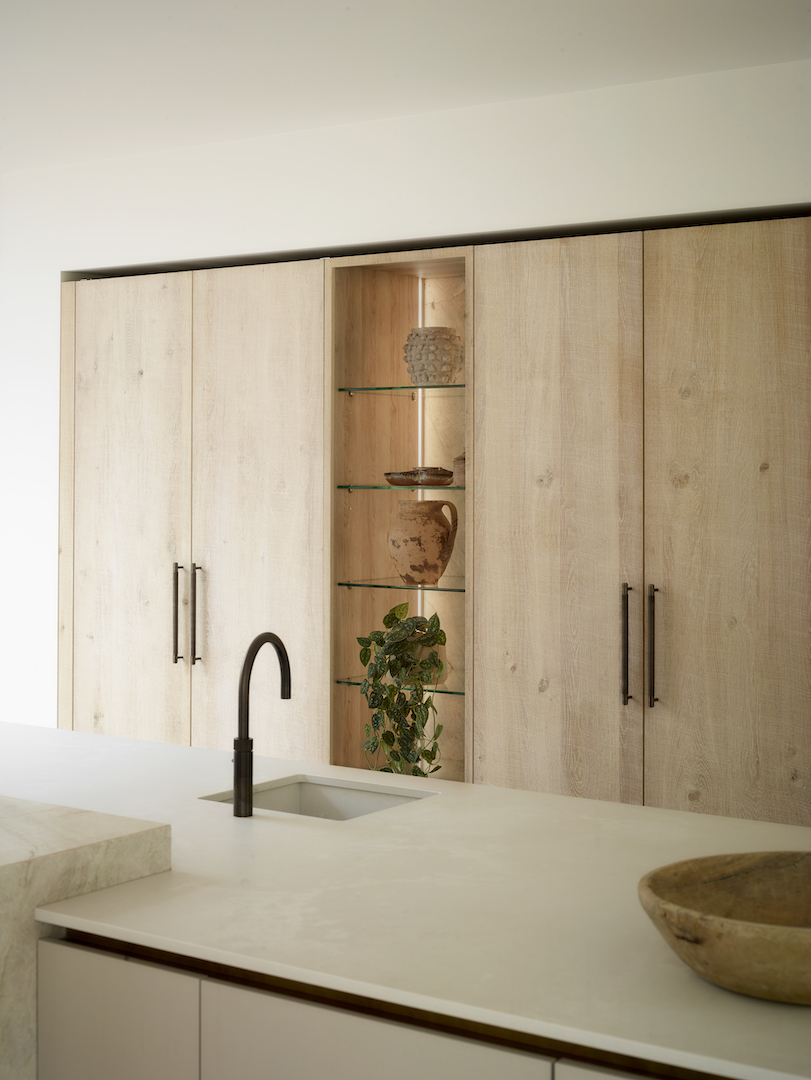
Let the texture do the talking
One of the most compelling design directions is leaning into tactile surfaces rather than perfectly sanded uniformity. Rough sawn cuts and open grain finishes introduce depth that flat materials simply can’t replicate. Texture catches light and creates shadow, making cabinetry feel alive.
This approach works particularly well when balanced with crisp, modern detailing – clean lines, controlled palettes and elegant proportions. The considered use of rough sawn oak in our Ashburyproject is a great example of how texture can feel elevated rather than rustic. For anyone exploring oak kitchen ideas, stepping away from flawless finishes can bring authenticity and individuality while still sitting comfortably within contemporary schemes.
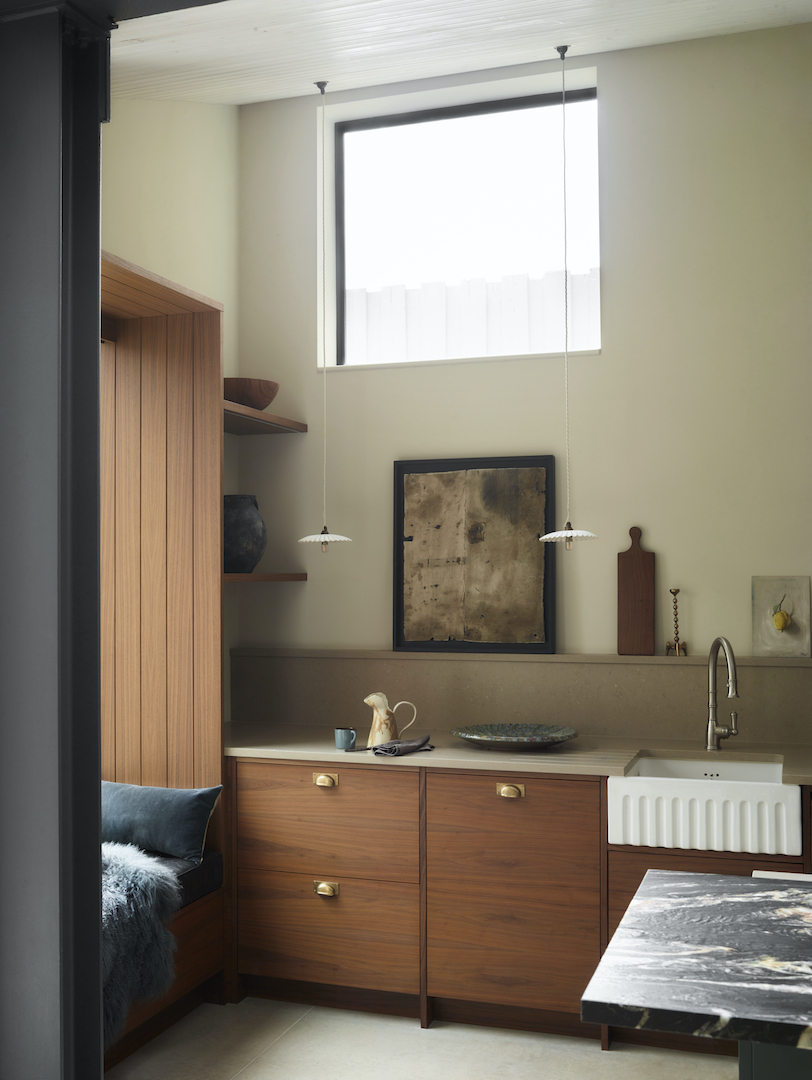
Stretch the space with directional grain
Grain direction is often overlooked, yet it’s one of the simplest ways to influence how a kitchen feels spatially. Running grain horizontally emphasises width and continuity, helping cabinetry read as a unified architectural plane rather than a collection of units.
Richer timbers amplify the effect. Walnut is particularly distinctive, and when specified with horizontal grain on modern slab doors – as seen in ourMoony project – it enhances flow across open-plan layouts. It’s a subtle move that aligns perfectly with modern kitchen design principles, such as calm lines, visual clarity and effortless cohesion.
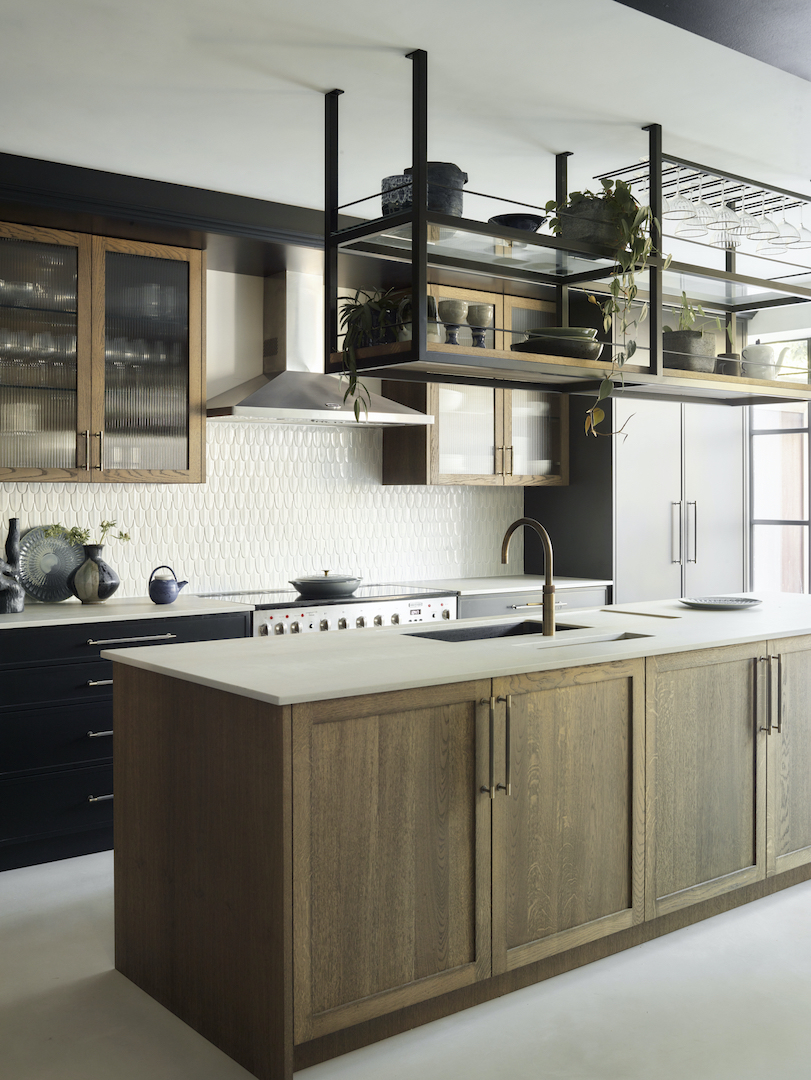
Go immersive with deeper tones
Timber kitchens don’t have to sit in the light-and-airy lane. Darker stains are gaining traction as confidence grows around creating moodier interiors. A dark kitchen grounded in richly stained oak or walnut delivers drama, intimacy and presence while still retaining the organic warmth that paint simply can’t replicate.
Once again, success comes from layering – integrating lighting, metallic elements and tonal variation so the variation feels intentional rather than overpowering. Our Munro project illustrates how dark stained oak can envelop a space with sophistication. It’s a direction that resonates strongly with homeowners seeking statement-making wood kitchens ideas that feel bold yet timeless.
The success of every one of these projects lies in thoughtful application, ensuring the timber enhances the architecture rather than taking over. If you’re considering how timber might influence your next modern kitchen design, download our latest brochure for more inspiration and guidance.
Frequently Asked Questions – Wood Drenched Kitchens
Are wood drenched kitchens suitable for modern kitchen design?
Yes, timber is increasingly central to modern kitchen design, especially through immersive “wood drenching” schemes that wrap cabinetry and islands in cohesive finishes. When paired with clean lines and precise detailing, wood kitchens can feel architectural, calm and contemporary rather than traditional.
How can I prevent a wood kitchen from feeling like a log cabin?
Introducing rhythm through fluted detailing and balancing timber with crisp, modern lines helps avoid a heavy or rustic look. Layering texture thoughtfully ensures the space feels elegant and intentional rather than overwhelming.
What are the best wood kitchen ideas for creating visual interest?
Fluted or ribbed timber cabinetry, rough sawn finishes and open grain surfaces add depth and movement to bespoke kitchens. Directional grain, particularly when run horizontally, also enhances flow and reinforces a cohesive architectural feel.
Will a dark kitchen work with timber cabinetry?
Darker stains on oak or walnut can create a dramatic, intimate dark kitchen while retaining natural warmth. Success comes from layering lighting, metallic accents and tonal variation to keep the scheme balanced and sophisticated.
What should I consider before investing in a bespoke timber kitchen?
Consider how grain direction, texture and stain depth will influence the overall mood and spatial feel of your modern kitchen design. Thoughtful application ensures timber enhances the architecture and delivers a cohesive, long-lasting result.