What defines a chef’s kitchen?
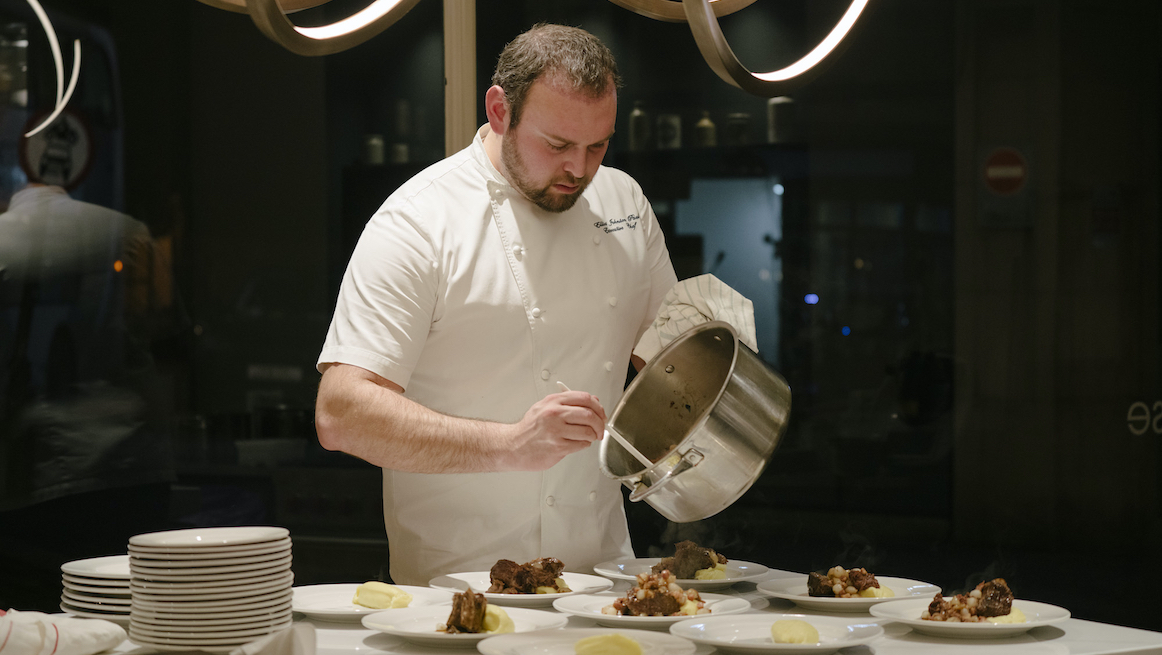
Easter brings all the good things – chocolate, family, time to gather – but it can also highlight the parts of a kitchen that aren’t quite pulling their weight. The lamb needs to rest, the dauphinoise hogs the oven, there’s whipping cream everywhere and guests underfoot. It is one of the key times of year when a beautiful kitchen must prove it can also perform. And that, really, is what defines a chef’s kitchen. Not a professional look for its own sake, but a space that keeps cooking smooth and controlled, even when the pressure is on.
A chef’s kitchen is not reserved for restaurant-trained cooks, either. It’s for anyone who cooks seriously. Think of it as the perfect recipe for a space that works as beautifully as it looks – if you’re planning a new kitchen, a chef’s mindset is a smart place to start. Here are the key ingredients Roundhouse designers use to create pro-grade bespoke kitchens that stay calm, capable and enjoyable, at Easter and beyond.
An ergonomic layout
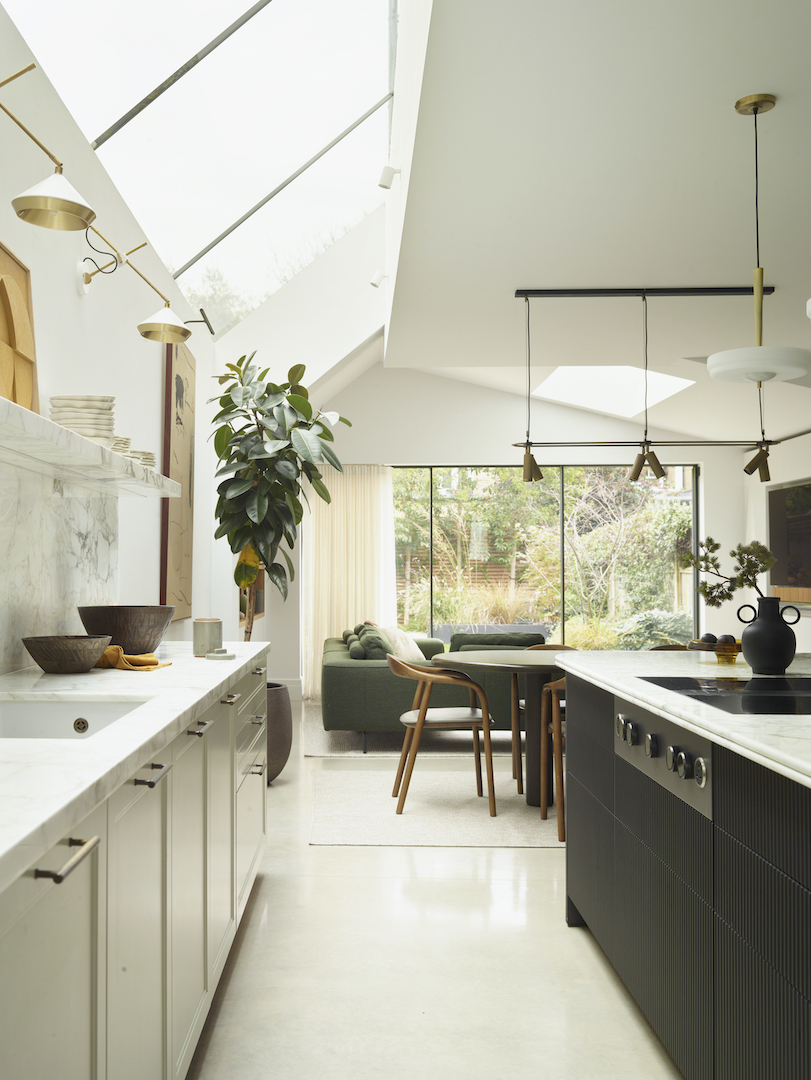
The first ingredient is a hardworkingchef’s kitchen inspired layout because even the most stylish materials or high-spec appliances cannot rescue a kitchen that is awkward to move around. Above all, a chef’s kitchen is centred on flow. Prep, cooking and cleaning zones should feel distinct but closely connected, so ingredients, tools and waste move logically through the space.
Getting the dimensions right is how our designers ensure that flow feel effortless. Walkways should be at least 900mm wide, ideally stretched to 1000–1200mm between opposing runs or an island and cabinetry, so you can still pass comfortably when cabinet or appliance doors are open.
Although the traditional ‘working triangle’ is less relevant in modern open-plan kitchens, key zones should still sit within easy reach – no more than a couple of steps between sink, hob and fridge – while avoiding tight pinch points that disrupt movement. Smart planning here is all about removing obstacles, so you’re not constantly stepping around open doors, crossing paths or doubling back mid-task.
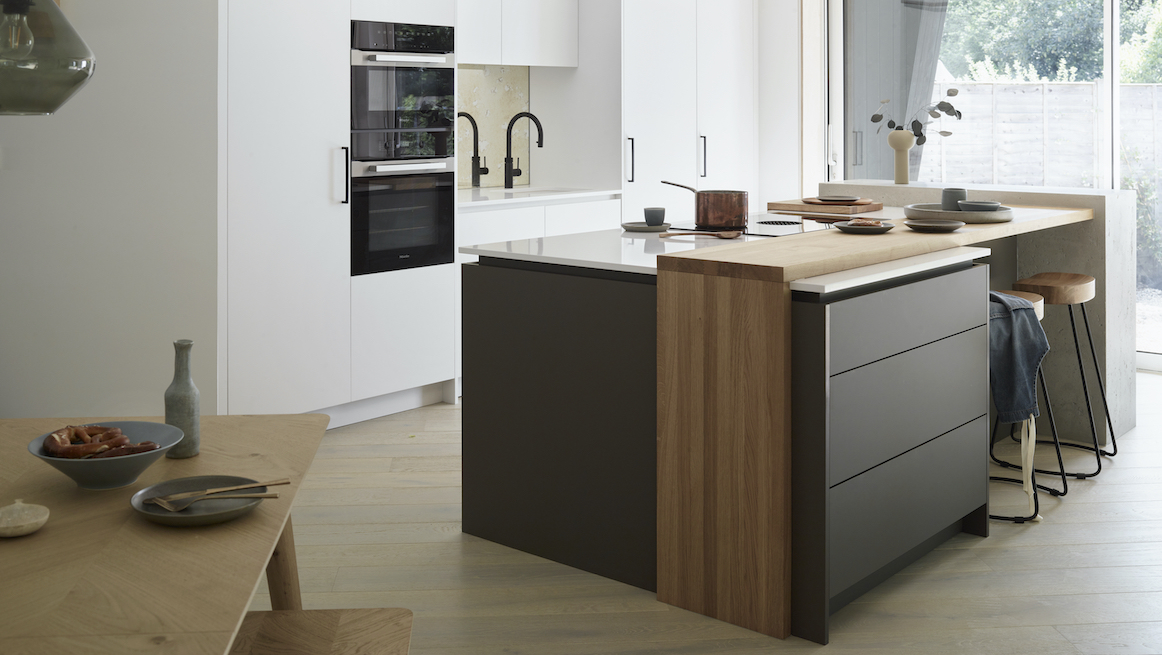
This becomes even more important when more than one keen cook is involved. A professional kitchen is designed to accommodate a head chef and sous chef working side by side without jostling for position. In a domestic setting, that might mean a generousisland with dedicated prep and plating zones, or a galley-style run paired with a secondary working surface behind. The aim is a kitchen layout that supports solo weekday cooking just as smoothly as it handles Easter lunch for ten.
Appliances that keep up
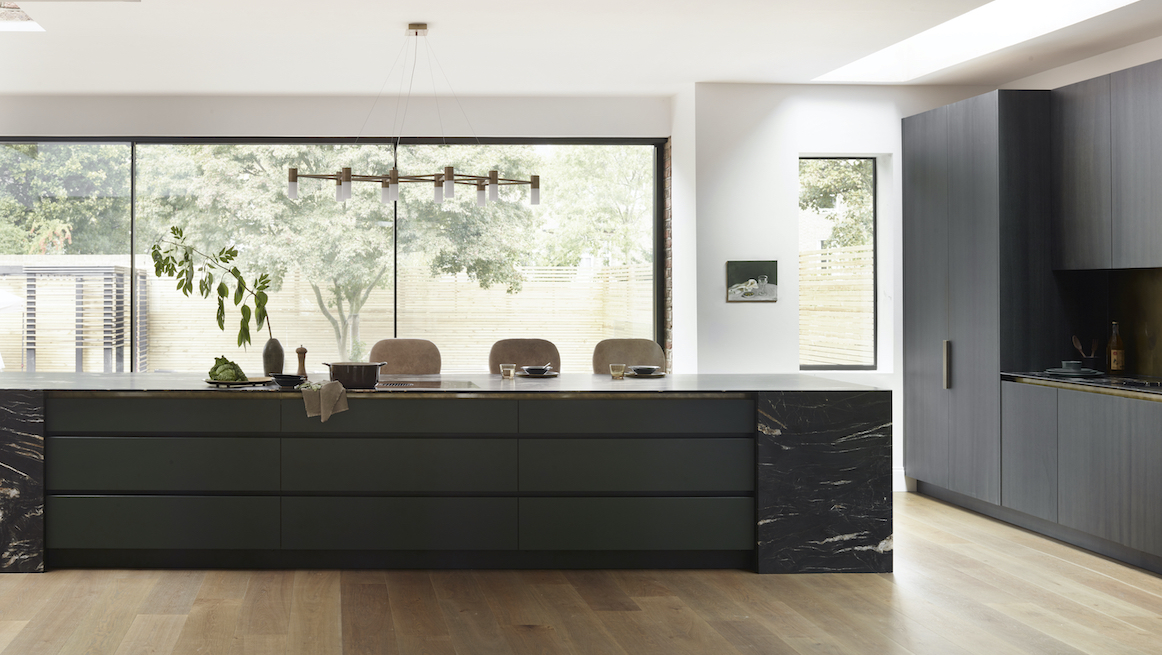
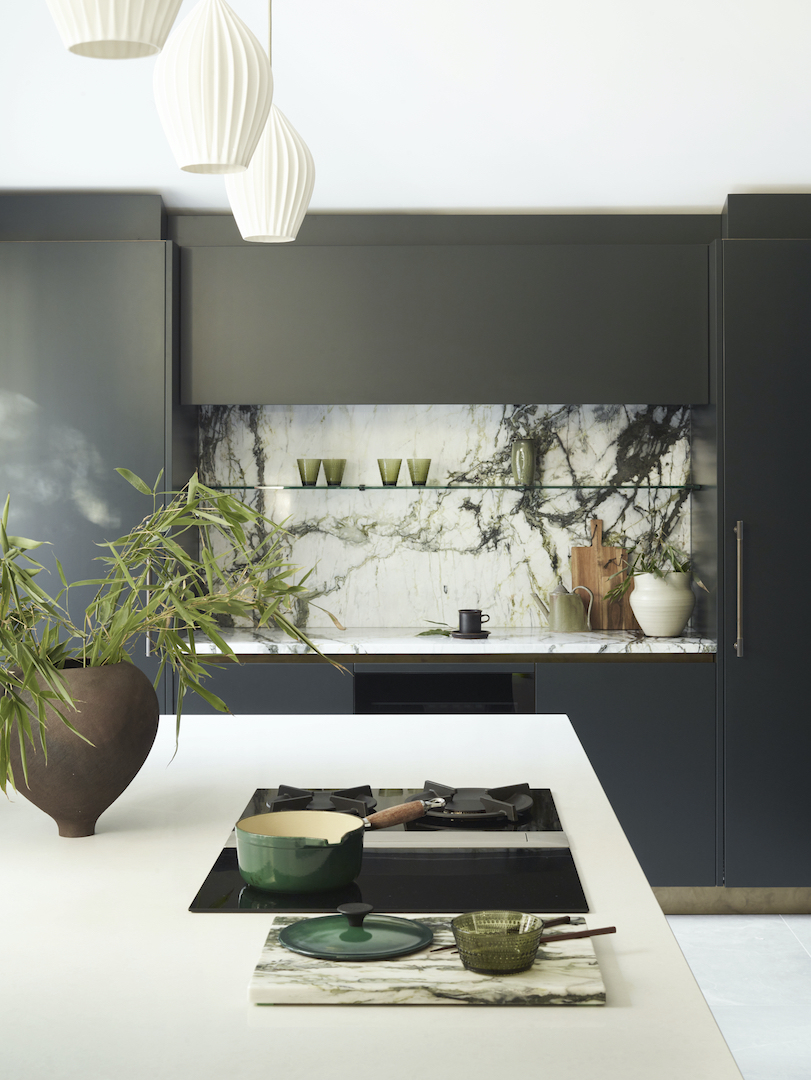
A chef’s kitchen should never slow you down. Appliances need to be fast, powerful and properly scaled – capable of handling peak entertaining as comfortably as everyday cooking. A high-performance hob with responsive control is essential, whether that’s induction with boost functions that can bring water to the boil in under a minute, or gas with high-output burners in the 3–5kW range for rapid heat. Or a bit of both via domino-style hobs, like those in our Ping project.
Ovens should heat quickly and hold temperature accurately, with most keen cooks opting for two full-size ovens, one for roasting, the other for sides or baking. Capacity matters, and kitchens geared towards entertaining often feature two full-size dishwashers, sometimes paired with a dedicated glass washer for quicker turnaround. American-style fridge freezers, full-height larder fridges or additional undercounter flexible cooling drawers can make a noticeable difference when you are cooking for a crowd. Larger oven cavities – 70 litres and above – allow for bigger joints and multiple dishes, while warming drawers help with timing, keeping plates or food at serving temperature without overcooking.
Effective extraction is also essential in a chef’s kitchen. Our designers will calculate the precise extraction rates needed to keep your space comfortable during more demanding cooking sessions. The recommended rates are based on room volume, typically targeting 6–12 air changes per hour, with higher rates needed for open-plan or more intensive cooking setups. They will also take into consideration the proposed ducting route and position of your extractor – island models need more power than wall-mounted, as they’re more exposed.
Surfaces that can take the heat
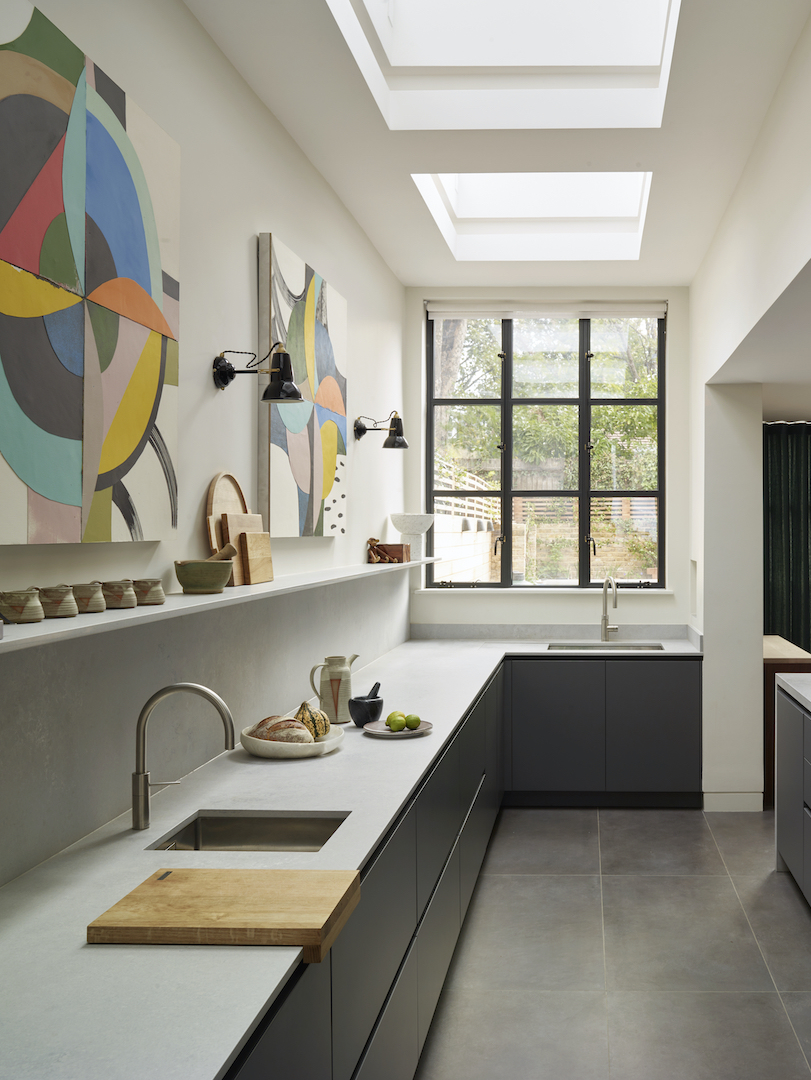
A chef’s kitchen needs surfaces that are practical first and foremost. Hygiene, durability and ease of cleaning should all be part of the specification. With its seamlessly welded joins and heat-happy surface, stainless steel is a classic chef’s kitchen choice for good reason. In domestic kitchens, brushed stainless steel is generally preferable to polished, as it helps disguise scratches and fingerprints.
Porcelain is another excellent option on the heavy-duty front. It offers impressive resistance to stains, scratches and heat, while providing more design and colour options.
The most practical chef’s kitchens combine materials to suit different tasks. Marble worktops remain a favourite for baking, particularly pastry work, as its naturally cool surface helps keep butter from softening too quickly. A good combination is marble on the island for baking and cooler prep, with a more durable worktop around the hob and main cooking zone to handle heat, spills and heavier use.
End-grain chopping blocks are another valuable addition. Unlike standard boards, their vertical grain structure is gentler on knives and more resilient to repeated use, making them ideal for frequent chopping. Compact designs that slot over part of a worktop, like in our Hamilton project, create a dedicated prep zone without interrupting the entire surface, while allowing boards to be lifted out for cleaning or replacement.

Storage with instant access
The final essential ingredient in any chef’s kitchen is storage that feels immediate and instinctive. The best storage supports speed and visibility, keeping the tools and ingredients you reach for most within easy sight and arm’s reach, so you’re not breaking flow mid-cook.
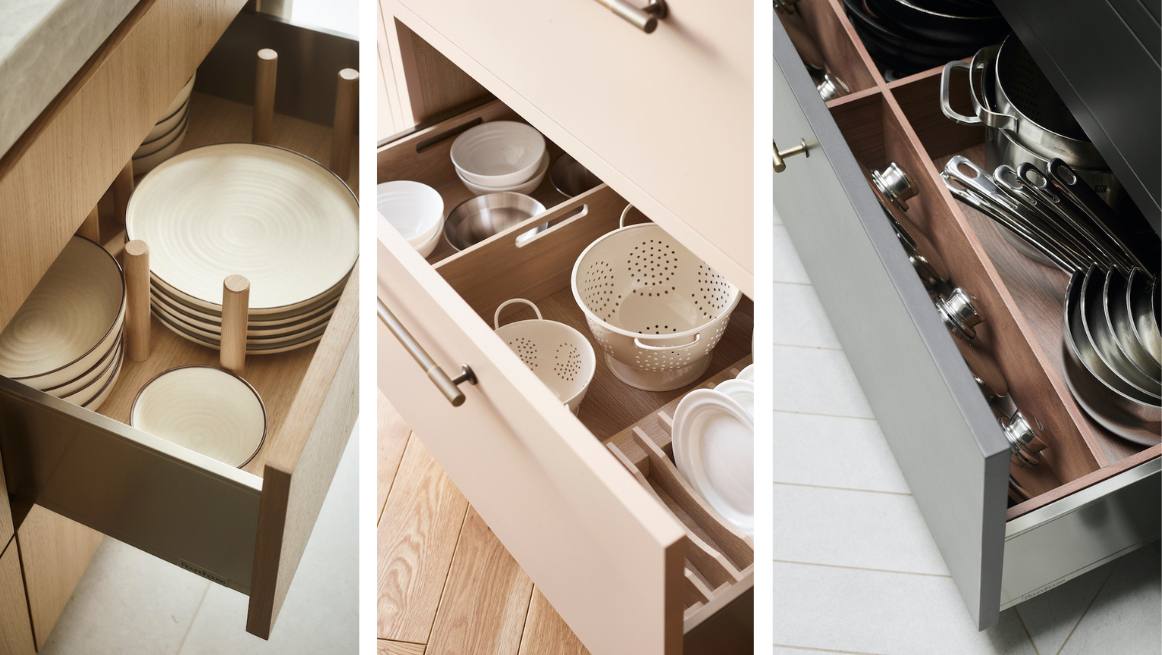
Zoning is the solution, with items placed exactly where they’re used: knives and prep tools within 300–600mm of the main prep area, oils and spices beside the hob, and utensils either drawered directly below or stored on the splashback for instant access. Deep drawers are always more space-efficient than cupboards, especially within base units, allowing you to see contents at a glance rather than stacking and searching. Internals should be carefully planned out with adjustable dividers, lid racks, and dedicated inserts for knives, spice racks and small tools all helping to maintain order when the pressure is on.
Rather than a single overfilled food cupboard, a larder or walk-in pantry should be planned almost like a secondary workspace, with shallow shelving (typically 300–400mm deep) to keep everything visible, and clear categorisation so ingredients are easy to locate mid-cook. In larger kitchens, a cold store-style setup – combining refrigeration with dry storage – can speed up both prep and restocking.
Ultimately, what defines a chef’s kitchen is not one hero feature but the way everything works together. Good layout speeds up movement. Powerful appliances reduce pressure. Robust surfaces support hardcore use. Thoughtful storage keeps the rhythm of cooking uninterrupted. This creates a kitchen that feels intuitive, enjoyable and low-stress, giving you the confidence to cook like a chef – from Easter lunch to midweek meals.
Download our brochure to explore our bespoke kitchens and discover how a chef’s kitchen can transform the way you cook.
Frequently Asked Questions – Planning a chef’s kitchen
What defines a chef’s kitchen?
A chef’s kitchen is designed around performance, not just appearance. It prioritises efficient layout, powerful appliances, durable surfaces and smart storage, creating a space that supports speed, ease and intuitive movement while cooking.
What layout works best for a chef’s kitchen?
The best layouts prioritise flow between key zones – prep, cooking and cleaning. Islands, galley kitchens with double runs, or L-shaped layouts with additional work surfaces all work well, provided there is enough clearance (typically 900–1200mm) for easy movement.
What appliances are essential in a chef’s kitchen?
High-performance appliances are key. This typically includes a powerful hob, one or two ovens, effective extraction, and generous refrigeration. For frequent entertaining, additional features such as warming drawers or a second dishwasher can make a noticeable difference.
What are the best materials for a chef’s kitchen?
A mix of materials works best. Hard-wearing surfaces like stainless steel or porcelain suit high-use cooking zones, while marble or stone can be ideal for baking. The goal is to match materials to tasks, ensuring durability, hygiene and ease of maintenance.